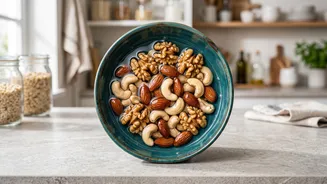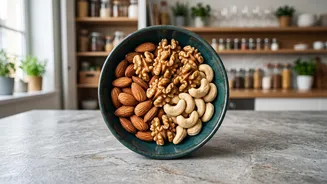





Nuts are a beloved, nutrient-dense snack, packed with healthy fats, protein, and fibre. But what if a simple, age-old technique could make them even better for you? Soaking nuts might be the key to unlocking their full nutritional potential.
The Science of 'Anti-Nutrients'
Raw nuts,
seeds, and grains possess natural protective compounds to ensure they can survive until conditions are right for germination. The two main compounds of concern for us are phytic acid and enzyme inhibitors. Phytic acid can bind to minerals like iron, zinc, and magnesium in our digestive tract, which may prevent our bodies from fully absorbing them. Enzyme inhibitors, as the name suggests, can interfere with our own digestive enzymes, making nuts harder to break down and sometimes causing bloating or a heavy feeling after eating them. This is nature's clever survival mechanism, but it can put a strain on our digestive system.
Unlocking the Benefits of Soaking
The simple act of soaking nuts in water mimics the germination process that happens in nature. This process helps to neutralize or reduce both phytic acid and enzyme inhibitors. The result is twofold. First, it makes the nuts easier to digest, potentially reducing digestive discomfort. Second, by reducing the 'anti-nutrients' that block mineral absorption, it increases the bioavailability of the nutrients locked inside. This means your body can more readily access and use the minerals, vitamins, and proteins the nuts have to offer. This improved digestion and nutrient uptake is what contributes to a more stable and efficient natural energy supply from your food. Many people also find that soaking improves the taste and texture of nuts, making them creamier, less bitter, and more buttery.
Your Simple Step-by-Step Guide
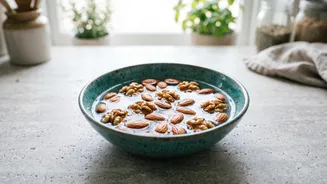
Activating your nuts at home is an easy habit to adopt. All you need are raw, unprocessed nuts, water, and a little salt. Most supermarket nuts that are roasted or pasteurised at high heat will not activate, as the enzymes have already been destroyed. 1. Place your raw nuts in a glass bowl or jar. 2. Cover them completely with warm, filtered water. Add a pinch of sea salt, which helps activate enzymes that neutralize the inhibitors. 3. Let them soak. The time varies by nut, but a general rule is 7-12 hours. Harder nuts like almonds benefit from a longer soak, while softer nuts like cashews or pecans need less time. 4. After soaking, drain the nuts and rinse them thoroughly. The soaking water will contain the phytic acid and inhibitors you want to discard. 5. You can use the softened, soaked nuts immediately in smoothies or recipes. Store them in the fridge and use within a few days. 6. For a crunchy snack, you can dry them in a dehydrator or an oven on its lowest temperature setting (ideally under 65°C) until they are completely dry and crisp, which can take 12-24 hours. It's crucial to ensure they are fully dry to prevent mould.
Which Nuts to Soak?
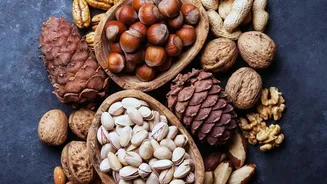
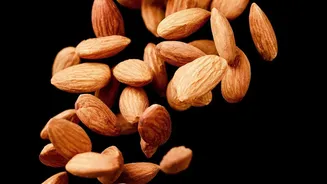
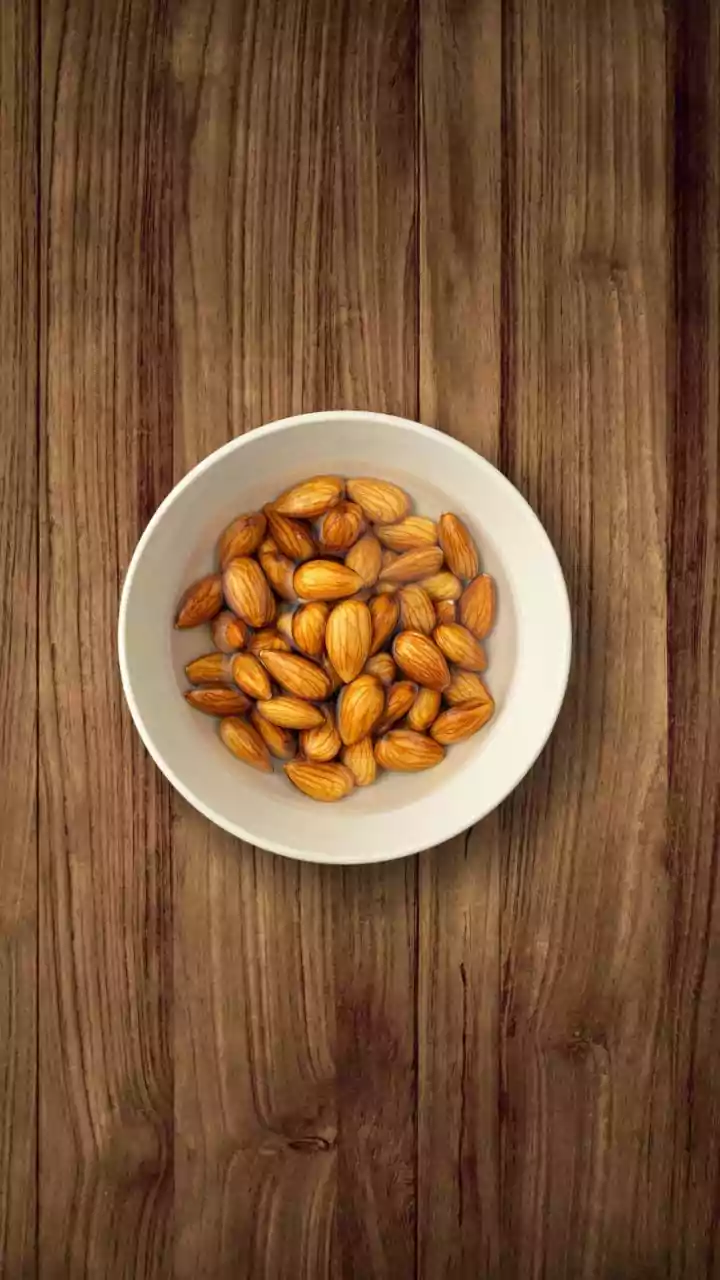
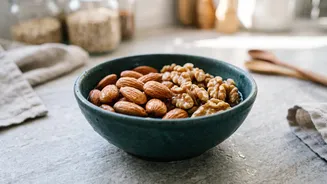
While most raw nuts and seeds benefit from soaking, some are more important to soak than others. Almonds, walnuts, and pecans are particularly high in enzyme inhibitors and benefit greatly from the process. Almonds, with their tough skins, become noticeably softer and creamier. Walnuts often lose some of their signature bitterness. Harder nuts and seeds generally require a longer soaking time. On the other hand, nuts like cashews (which are technically steamed to remove the toxic shell oil), macadamia nuts, and pine nuts are lower in these compounds and don't require soaking as urgently, though many people still do it to improve their texture for recipes.