




The Challenge of Greening a Small Workspace
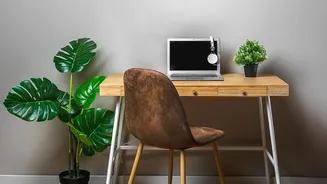
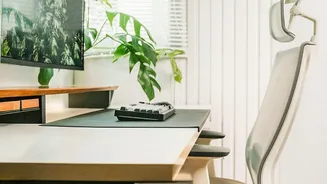
The shift to remote work has meant carving out office nooks in bedrooms, living rooms, and hallways—areas often lacking the bright, sunny windows that many plants crave. Add a small footprint to the equation, and the dream of a lush, green workspace can
seem out of reach. You need a plant that not only survives but looks good without much fuss, sunlight, or space. This is where the almost indestructible reputations of the Snake Plant and Pothos come into play. They are consistently recommended by plant experts for their ability to handle conditions that would cause other plants to wither.
Meet the Snake Plant: The Sculptural Survivor
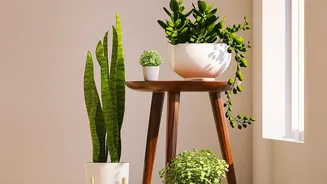
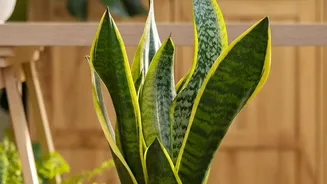
The Snake Plant (Dracaena trifasciata, formerly Sansevieria) is an icon of modern decor for a reason. Its stiff, upright leaves provide architectural elegance without demanding a large footprint, making it perfect for tight corners or beside a desk. Varieties range from the classic 'Laurentii' with its yellow edges to the silvery 'Moonshine' and compact 'Bird's Nest' types. Their true superpower is their resilience. As succulents, they store water in their leaves and are extremely drought-tolerant; forgetting to water for a few weeks is not a crisis. In fact, overwatering is the most common mistake owners make. Let the soil dry out completely between waterings, typically every 2-4 weeks.
Discover the Pothos: The Trailing Wonder
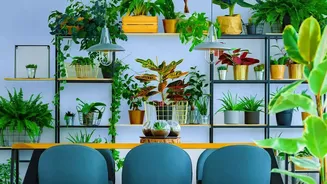
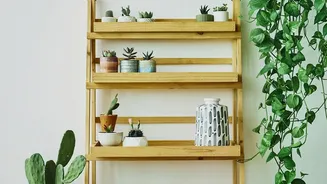
If you want to add a sense of lushness, the Pothos (Epipremnum aureum) is your answer. Also known as Devil's Ivy, this vining plant is celebrated for its heart-shaped leaves and forgiving nature. Its trailing habit is a space-saving gift; place it on a high shelf or in a hanging basket to let its vines cascade down, adding a vertical element of green without taking up desk space. Pothos is adaptable to a wide range of conditions and is not shy about its needs—the leaves will visibly droop when it's thirsty. Like the Snake Plant, it tolerates low light well, although variegated types like 'Marble Queen' or 'Golden Pothos' might show less colour in dimmer spots.
Understanding 'Low-Light Tolerant'
It's crucial to understand what 'low-light tolerant' means. It doesn't mean 'no-light'. Both Snake Plants and Pothos will survive in a dim corner far from a window, but they won't actively thrive or grow quickly. In their native habitats, they often grow in brighter, filtered light. When placed in low light, their growth will slow significantly, which can be ideal if you want a plant that remains static and low-maintenance. If you notice a variegated plant losing its colourful patterns or a Snake Plant's leaves becoming less firm, it's a sign it could use a bit more light. Even a spot near a north-facing window or a room lit by fluorescent lights can be enough to keep them happy.
Styling and A Word of Caution
For a small WFH corner, use these plants to your advantage. A tall, slender Snake Plant in a narrow pot adds height and drama without clutter. Let a Pothos trail from a bookshelf to frame your monitor or from the corner of your desk. Pairing them together can create a dynamic look with different textures and shapes. However, there is an important consideration for households with pets or small children. Both Snake Plants and Pothos are toxic if ingested. The leaves contain compounds like saponins and calcium oxalate crystals, which can cause mouth irritation, nausea, and vomiting in cats and dogs. It's essential to place these plants out of reach of curious pets and toddlers to ensure a safe environment for everyone.