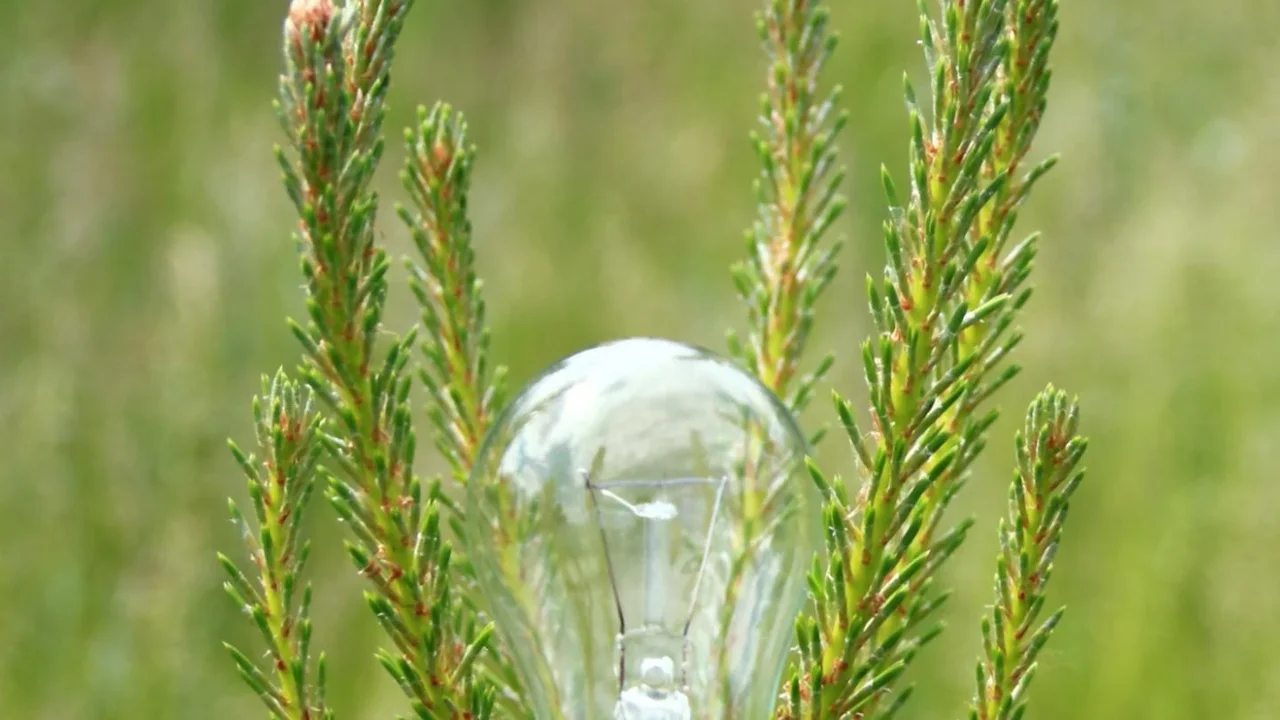








The Science of a Living Light
The magic behind these glowing plants is bioluminescence, the same natural process that allows fireflies to light up summer nights and certain fungi to cast an eerie glow on the forest floor. At its core, this phenomenon is a chemical reaction. Scientists
have been working to borrow the genetic blueprints for this reaction from organisms like luminous mushrooms and fireflies, then carefully integrate them into the DNA of common plants. By inserting these genes, they can engineer plants to produce their own light as a natural part of their metabolism, powered by the plant's own energy. The goal is to create self-sustaining lanterns that require no electricity, just water and nutrients.
What's the 'Breakthrough'?
While the idea isn't new, recent advancements have dramatically increased the brightness and efficiency of these plants. Initially, creating a visible glow was a major hurdle. The latest breakthroughs involve improved gene-editing techniques that more seamlessly integrate the light-producing pathways into a plant's metabolism. Companies like Light Bio have successfully created a 'Firefly Petunia' by inserting genes from luminous fungi. These petunias glow continuously, with the newest parts of the plant, like buds, shining the brightest. Recent developments have boosted the light output by up to 100 times, moving the plants from a faint novelty to a more viable light source. In a similar vein, researchers in China have engineered over 20 species, including orchids and sunflowers, to emit a steady glow.
From Lab Bench to City Street
Despite the exciting progress, the path to replacing municipal streetlights is long. The biggest challenge is brightness. While much improved, the light from current bioluminescent plants is still subtle, often described as similar to moonlight. This is perfect for decorative purposes or marking a garden path, but it's not yet powerful enough to illuminate a busy street for public safety. Longevity and resilience are other key factors. Streetlights need to be reliable in all weather conditions, year-round. Scientists must ensure these GM plants can not only survive but also maintain their glow in harsh urban environments. The current focus is on ornamental plants, but the ultimate goal is to apply this technology to hardy, long-living trees that could form a permanent, living light infrastructure.
The Economic and Green Appeal
The primary driver behind this research is the potential for massive cost and energy savings. Urban lighting accounts for a huge portion of a city's electricity bill. Replacing traditional streetlights with self-powering plants could virtually eliminate this expense, freeing up public funds. The environmental benefits are just as compelling. A significant portion of global electricity consumption goes to lighting. Shifting to a biological system would reduce our reliance on fossil fuels and lower carbon emissions. Furthermore, the softer, more natural light produced by plants could help reduce the light pollution that disrupts human sleep cycles and harms nocturnal wildlife.
Public Perception and Future Hurdles
Beyond the technical challenges lies the question of public acceptance. The use of genetically modified organisms (GMOs) in open, public spaces is a sensitive topic that often sparks debate. While the USDA has deemed the commercially available Firefly Petunia safe for cultivation in the United States, wider public projects involving GM trees would likely face significant regulatory scrutiny and require a robust public conversation about potential ecological impacts. Scientists must address concerns about how these modified plants might interact with local ecosystems, from insects to other plant life. The dream of an 'Avatar'-like glowing landscape is captivating, but ensuring it's done safely and responsibly is paramount before it can become a feature of our cities.