





From Humble Sabzi to Superfood Star
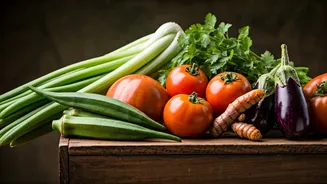
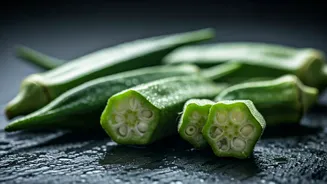
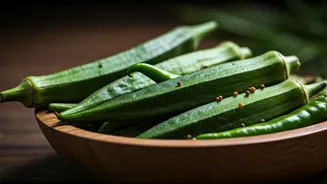
Let’s be honest: bhindi, or okra, has always been around. It’s a constant in our weekly vegetable shopping, a familiar sight in dabbas, and the star of reliable dishes like bhindi masala and kurkuri bhindi. For decades, it was a dependable, if slightly
unexciting, part of our diet. But recently, its status has been quietly upgraded. Nutritionists and wellness experts are increasingly highlighting its impressive health profile. Packed with vitamins C and K, antioxidants, and folate, bhindi is a low-calorie vegetable that delivers a powerful nutritional punch. Its soluble fibre content, in particular, has become a major talking point. This shift from being just another vegetable to a 'functional food' is central to its comeback. In an age where we scrutinize everything we eat for its health benefits, bhindi is finally getting the recognition it deserves not just for its taste, but for what it does for our bodies.
Conquering the Slime Factor
The single biggest barrier to bhindi adoration has always been its mucilaginous texture. The 'slime' that develops when it's cut and cooked is a deal-breaker for many. However, a new generation of home cooks and chefs is proving that this is a solvable problem. The secret is simple: dry heat. Roasting, stir-frying at high heat, and, most recently, air-frying have revolutionised how we cook okra. These methods cook the vegetable quickly, preventing the pods from breaking down and releasing their sticky interior. The result is a bhindi that is tender on the inside and delightfully crispy on the outside, completely sidestepping the dreaded sliminess. Cookbooks and food blogs are filled with recipes for 'bhindi fries' and roasted okra, introducing the vegetable to a whole new audience that previously wrote it off. This culinary evolution has been key to changing perceptions and making bhindi more accessible and appealing than ever before.
The Chef's New Canvas
Walk into a contemporary Indian restaurant today, and you’re likely to find bhindi in an unexpected new avatar. Chefs are moving beyond traditional preparations and using it as a canvas for creativity. You might see it pickled and served as a tangy appetiser, thinly sliced and dehydrated into a crispy garnish, or even stuffed with unconventional fillings like cheese or spiced nuts. Modern Indian cuisine is all about re-imagining familiar ingredients, and bhindi is a perfect candidate. Its mild, slightly grassy flavour pairs well with a wide range of spices and textures. By showcasing its versatility, chefs are challenging diners to see the vegetable in a new light. This top-down influence from the culinary world is trickling down to home kitchens, inspiring people to experiment and break out of the bhindi masala rut.
A Prebiotic Powerhouse for Gut Health
Ironically, the very 'slime' that people dislike is one of bhindi's greatest assets. This mucilage is a rich source of soluble fibre, which acts as a prebiotic. Prebiotics are essential for gut health, as they feed the beneficial bacteria in your digestive system. A healthy gut microbiome is linked to improved digestion, a stronger immune system, and even better mental health. As awareness around gut health grows, foods rich in prebiotics are becoming highly sought after. In this context, bhindi’s slimy texture is being rebranded from a bug to a feature. People are starting to appreciate that the slight gooiness in a well-made bhindi curry is not just harmless but actively good for them. This reframing is a powerful part of its comeback story, aligning the traditional vegetable with one of the biggest trends in modern wellness.