
The Cut: Your Foundation for Texture
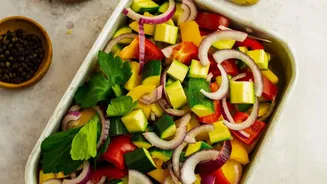
Before you even think about heat, the way you cut a vegetable determines its final texture and how it cooks. Uniformity is key for even cooking. A fine dice or brunoise, where vegetables are cut into tiny 1-3mm cubes, is perfect for melting into sauces
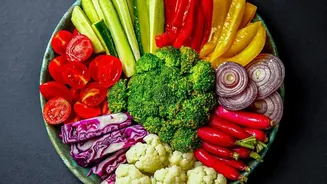
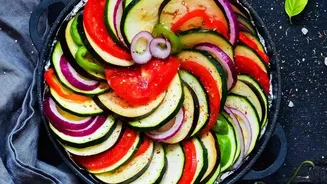
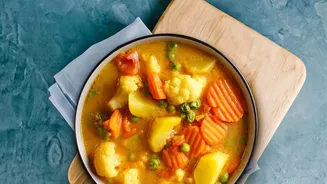
or soups. A larger dice, known as macédoine (about 5mm cubes), suits root vegetables like carrots and potatoes that need a bit more cooking time. For stir-fries, long, thin matchstick shapes called julienne allow vegetables like bell peppers and zucchini to cook quickly while retaining a slight crunch. Wider stick cuts, or batons, are ideal for roasting or serving as crudités with a dip. Don't underestimate the power of a different shape; simply changing from a round coin cut to a diagonal bias cut can make a familiar vegetable feel new again. Mastering a few basic cuts gives you control over the final dish, ensuring every component cooks perfectly.
The Method: From Roasting to Sautéing
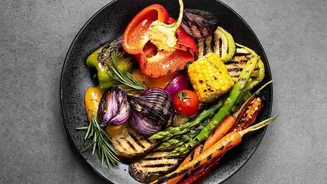
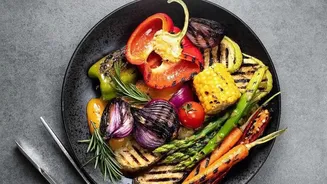
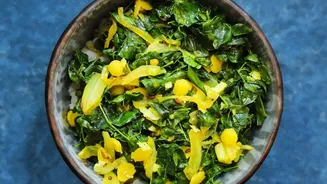
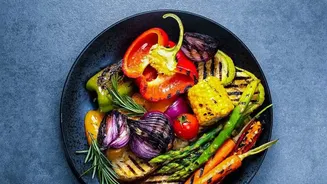
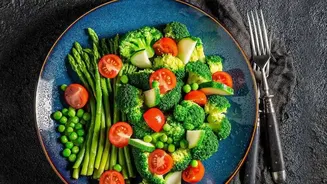
Your cooking method is where the transformation truly happens. Roasting, for example, is almost magical. Tossing vegetables like cauliflower, butternut squash, or potatoes in oil and roasting at a high temperature caramelises their natural sugars, creating a deep, sweet flavour and a delightful texture that is crispy on the outside and tender on the inside. Grilling imparts a smoky char that's fantastic on everything from corn and eggplant to bell peppers. For a quicker, fresher approach, a high-heat sauté is perfect for delicate greens like spinach or snap peas. Steaming, on the other hand, is a gentle method that preserves the natural flavour and nutrients of vegetables like broccoli and green beans, leaving them bright and crisp. Don't be afraid to mix and match; try blanching a tougher green like kale before adding it to a pasta dish to ensure it's tender.
The Seasoning: Building Layers of Flavour
Salt and pepper are just the starting point. To truly elevate your vegetable dishes, think in layers of flavour. A simple squeeze of lemon or a splash of balsamic vinegar at the end of cooking can brighten up the entire dish. Spices are your best friend; a sprinkle of smoked paprika can give roasted vegetables a bacon-like smokiness, while a dash of cumin adds earthy warmth to sautéed greens. Fresh herbs add another dimension; think fresh mint with peas or dill with roasted potatoes. Consider making a versatile sauce you can use all week. A vibrant cilantro chutney, a creamy peanut sauce, or a zesty ginger-miso dressing can turn a simple bowl of steamed vegetables and rice into a memorable meal.
The Texture: Creating Contrast and Interest
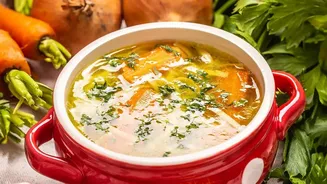
The final piece of the puzzle is texture. A dish with varying textures is instantly more satisfying. After you've cooked your vegetables, think about what you can add for contrast. A sprinkle of toasted nuts like almonds or walnuts, or seeds like pumpkin or sunflower, can add a much-needed crunch to a soft roasted squash. The creaminess of a dollop of yogurt, a drizzle of tahini, or some crumbled feta can balance the crispness of a raw salad or grilled vegetables. Even a simple garnish can add textural interest. A handful of crispy fried onions or some crunchy croutons can make a simple soup feel like a complete meal. By thinking about this final layer, you create a more dynamic and engaging eating experience.