




The Magic of Monsoon in Mandu
There is a reason why Mandu is considered one of central India’s most iconic monsoon destinations. During the rains, the ruined city, perched atop the Vindhya Range, transforms into a lush, green paradise. Mist rolls across the valleys, clouds float lazily
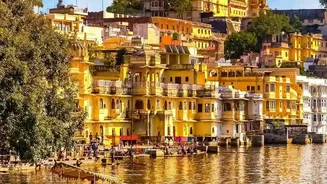
through ancient arches, and the entire landscape takes on a dreamy, poetic quality. The city’s famous lakes, Munj Talao and Kapur Talao, fill to the brim, making the palaces seem to float. This celebration of nature and history, combined with pleasant weather, makes it an irresistible draw for those looking to swap city noise for the tranquil sounds of nature and history.
Exploring the Rain-Washed Palaces
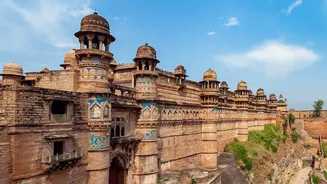
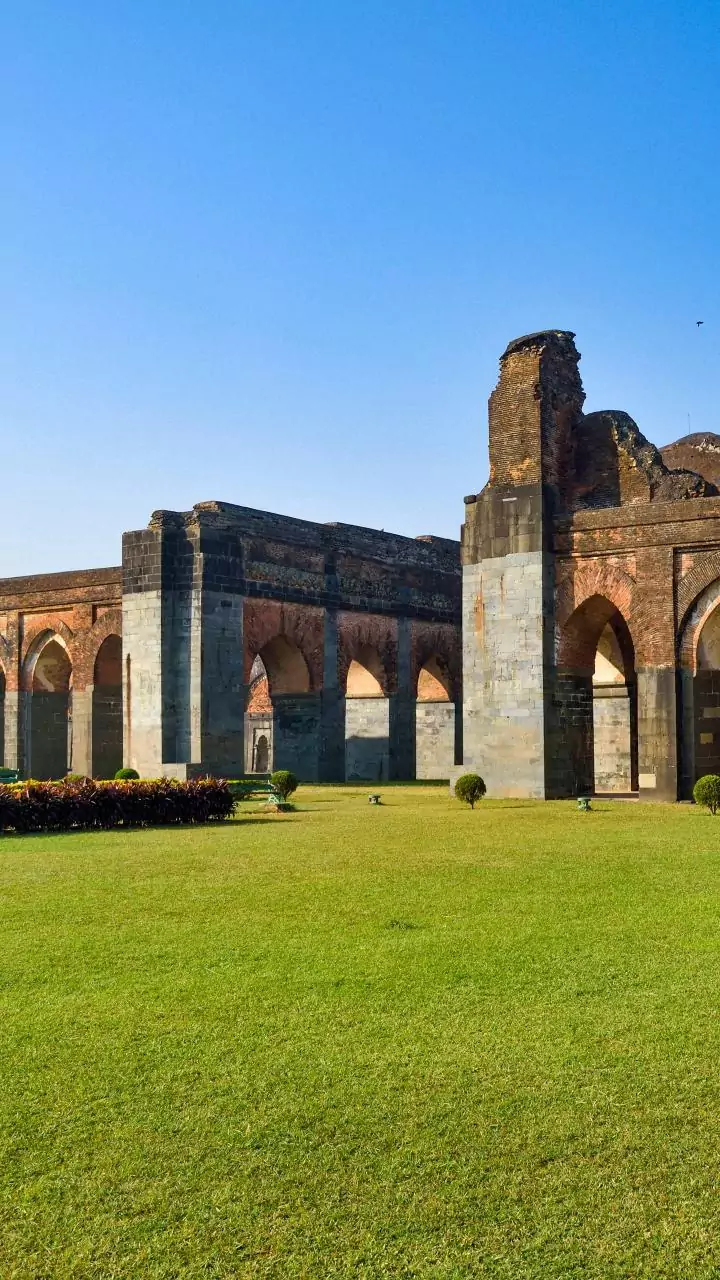
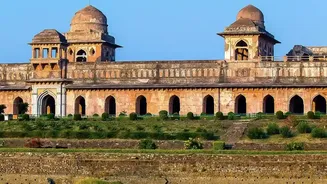
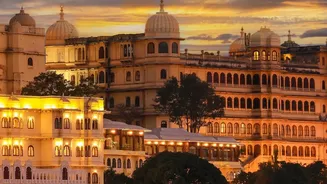
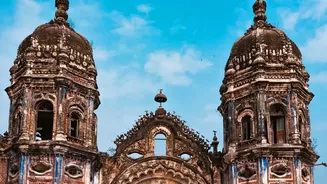
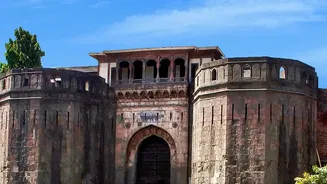
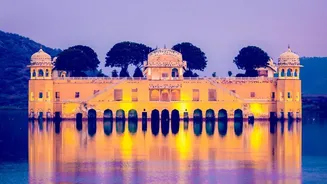
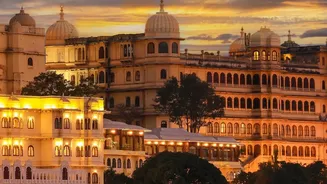
Mandu is a treasure trove of Afghan architecture, with each monument telling a story. The star attraction during the monsoon is undoubtedly the Jahaz Mahal, or Ship Palace. This 120-metre-long structure, situated between two artificial lakes, truly looks like a majestic ship afloat on the water, its reflection creating a stunning sight. Another must-visit is the Rani Roopmati Pavilion. Originally an army observation post, it offers breathtaking panoramic views of the Narmada valley below, often shrouded in a romantic mist during the rains. The legend of the poet-prince Baz Bahadur and Queen Roopmati adds to its charm, and you can also visit Baz Bahadur's Palace nearby. Don't miss the Hindola Mahal, or Swinging Palace, with its distinctive sloping walls, and Hoshang Shah's Tomb, a marble mausoleum that is said to have inspired the architecture of the Taj Mahal.
Your Budget-Friendly Itinerary
A trip to Mandu doesn’t have to be expensive, making it perfect for a spontaneous weekend plan. Travel from Indore is particularly affordable, with state buses costing less than ₹150 for the roughly 2.5-hour journey. From Bhopal, the 285 km journey can be covered by cab or a combination of train and bus. Accommodation is plentiful and budget-friendly, with guesthouses and hotels available for as low as ₹800 to ₹1500 per night. For meals, rely on local dhabas and street food stalls, where you can enjoy delicious local fare like poha and jalebi for a minimal cost. Entry fees for most monuments are also very reasonable for Indian citizens, often under ₹30 per site. You can explore the main sites comfortably in two days, making it an ideal weekend trip.
Getting There and Around
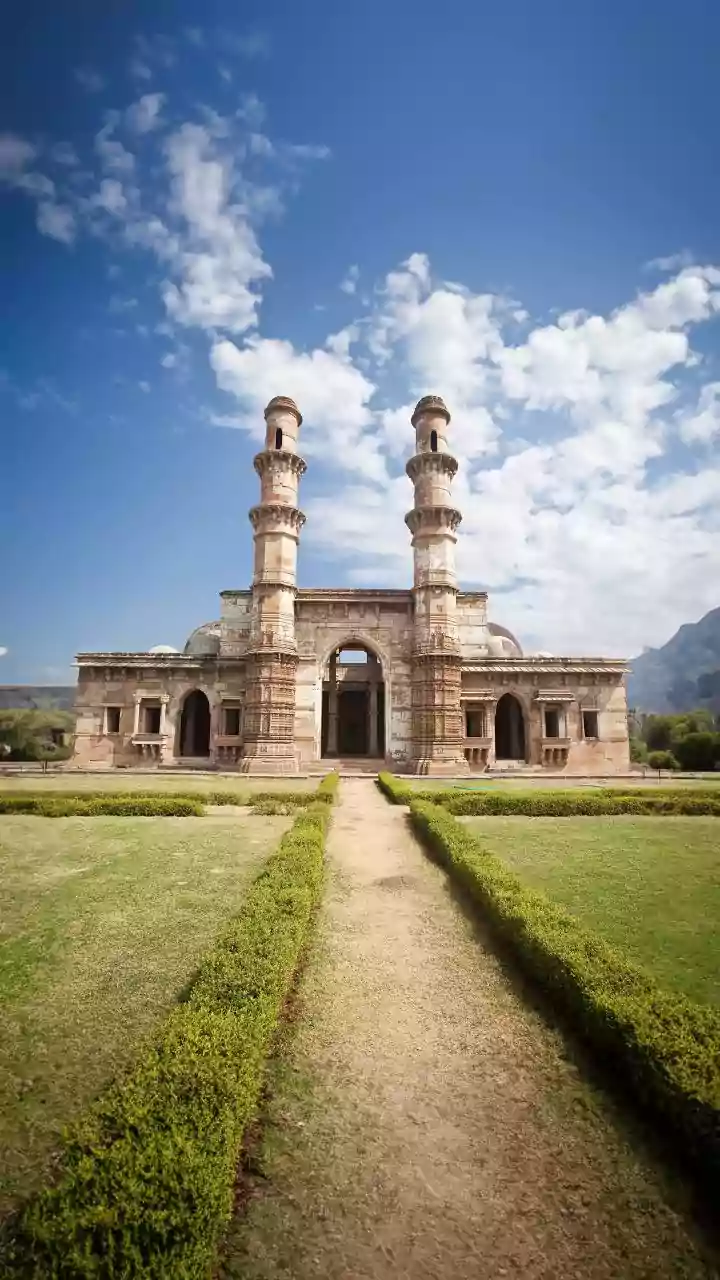
Mandu is easily accessible, especially from Indore, which is about 95 km away. Travellers from Bhopal, approximately 285-290 km away, can hire a direct taxi, which takes around 5-6 hours, or opt for more economical train and bus routes via Indore or Ratlam. Once in Mandu, the historical sites are spread out over a large area. You can hire an auto-rickshaw for the day to cover the main clusters of monuments: the Royal Enclave (including Jahaz Mahal and Hindola Mahal), the Village Group (with Jami Masjid), and the Rewa Kund Group (home to Baz Bahadur's Palace and Rani Roopmati's Pavilion). For a more leisurely pace, renting a bicycle for around ₹300 a day is a great way to explore the serene landscape on your own terms.