





Decode the Official Weather Alerts
Your first step should always be to check the official alerts from the India Meteorological Department (IMD). These colour-coded warnings are designed to be a clear guide to the potential severity of the weather. A 'Green' alert means no significant weather issues
are expected. A 'Yellow' alert is a call to 'Be Aware,' suggesting you should stay updated as conditions might change. An 'Orange' alert means 'Be Prepared' for potentially disruptive weather like heavy rainfall that could impact transport and cause waterlogging. A 'Red' alert means 'Take Action' and is the highest level of warning, indicating extremely severe conditions that pose a significant threat to life and property; travel should be avoided.
Assess Your Destination and Route
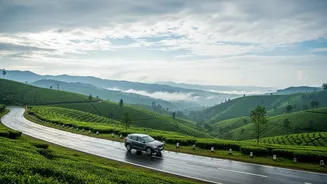
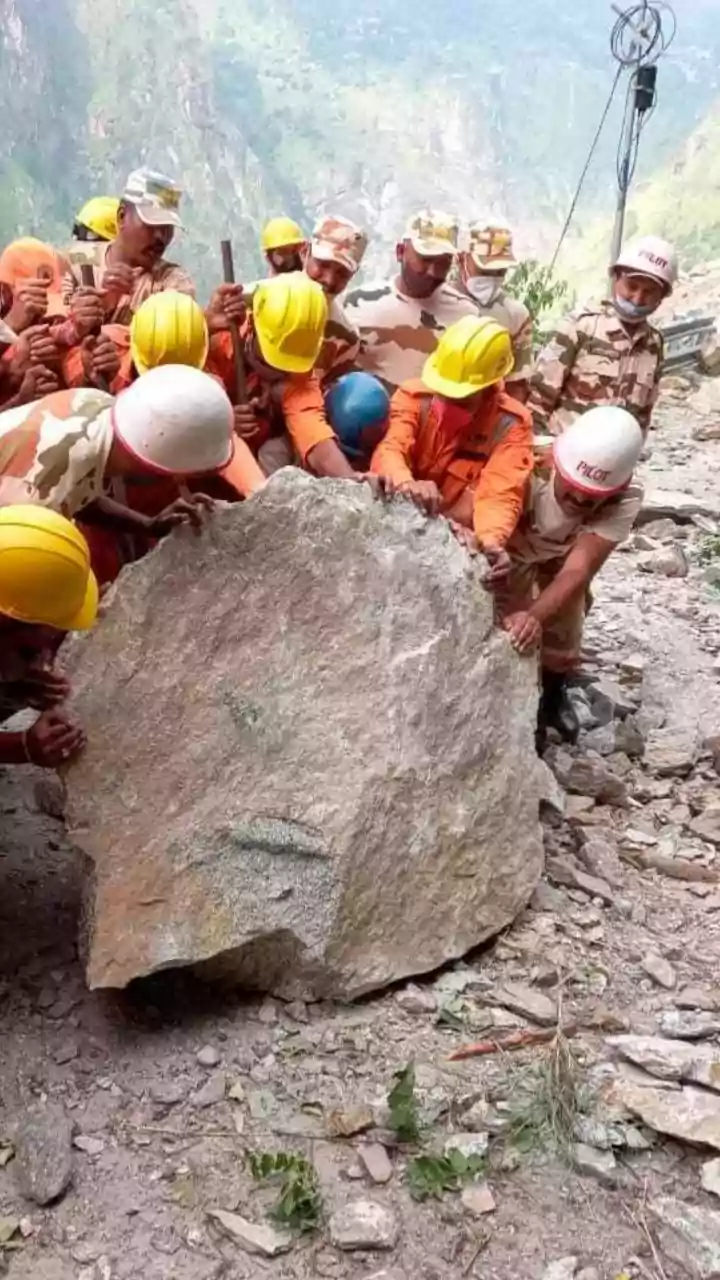
The location of your trip is a major factor. A city break in a place with good drainage and plenty of indoor activities like museums or cafes is very different from a trip to a hill station. Mountainous and hilly regions are prone to landslides and road blockages during heavy rains, making travel extremely risky. Research your specific destination for its susceptibility to flooding and landslides. Also, consider your travel route. Will you be driving on highways known for waterlogging? Driving through even a few inches of water can be dangerous. It's recommended to avoid driving through water that is above the center of your wheels. If you see a flooded road, the safest option is always to turn around.
Consider the Nature of Your Holiday
What did you plan to do on your trip? If your itinerary is packed with outdoor activities like trekking, beach time, or sightseeing, heavy rain will likely wash out your plans and your enjoyment. For these types of trips, cancelling or postponing is a sensible choice. However, if your plan was to relax at a resort with indoor amenities like a spa, indoor pool, or a good library, the rain might not be a deal-breaker and could even add to the cosy atmosphere. Some destinations, like Goa or parts of Kerala, take on a unique lush beauty during the monsoon that can be enjoyed from the safety of a good hotel. Be realistic about what you can do in relentless rain and whether that matches your holiday expectations.
Review Your Bookings and Insurance
Before making a final decision, check the cancellation policies for your hotels and transport. Many have flexible options, but others may be non-refundable. This is where travel insurance becomes critical. A comprehensive travel insurance policy may reimburse you for non-refundable expenses if you have to cancel your trip due to severe weather events or natural calamities. Read your policy carefully to understand what is covered. Some policies offer coverage for trip delays and interruptions, not just outright cancellations. Knowing the financial implications can help you make a less stressful decision. More travellers are now opting for flexible bookings and travel insurance specifically for monsoon travel.
What If You Decide to Go Anyway?
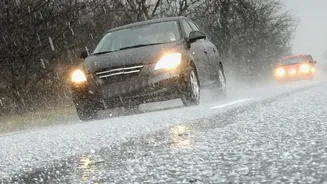
If the warnings are not severe and you decide to proceed, prioritize safety. If driving, go slowly, especially on waterlogged roads, and try to stay in the centre of the road where the water is often shallowest. Never attempt to cross fast-moving water. Pack smart: include waterproof jackets, quick-drying clothes, and footwear with a good grip. An umbrella and waterproof bags for electronics are essential. Also carry a basic first-aid kit and insect repellent, as the monsoon season sees a rise in waterborne diseases and mosquitos. Inform someone of your itinerary and have a backup plan with alternative routes or safe accommodation options identified.