


The Nutritional Showdown: A Tale of Two Carrots
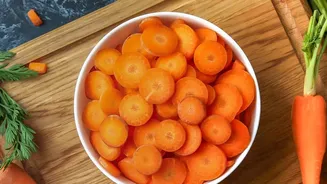
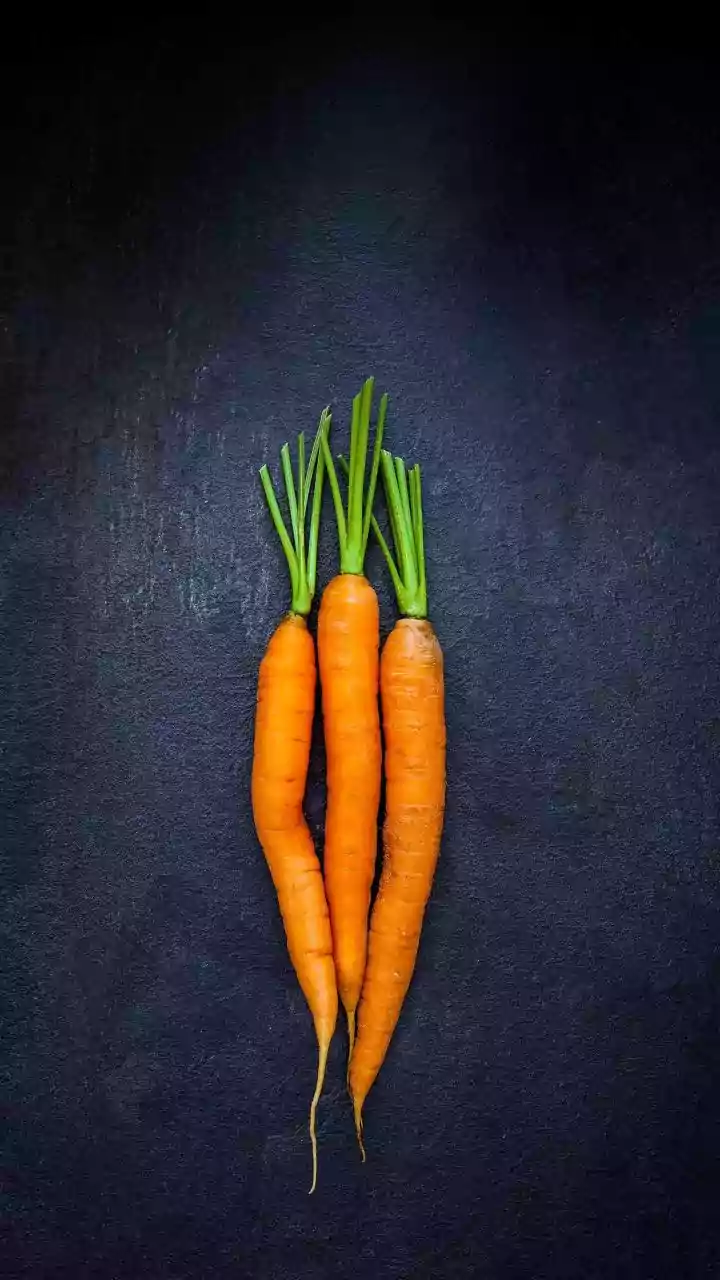
When it comes to nutrition, there isn't a single winner between raw and cooked carrots; instead, they offer different benefits. Raw carrots are packed with dietary fibre, which can help with regular digestion. They also retain more water-soluble vitamins
like vitamin C, which is sensitive to heat and can be lost during cooking. On the other hand, the cooking process breaks down the carrot's tough cellular walls. This makes it easier for your body to absorb beta-carotene, the compound that the body converts into vitamin A. Studies have shown that the bioavailability of beta-carotene is significantly higher in cooked carrots than in raw ones. Adding a little healthy fat, like olive oil, when cooking can boost this absorption even more.
The Case for Raw: Crisp, Crunchy, and Convenient
There’s an undeniable satisfaction in the crisp snap of a raw carrot. This crunchy texture is not just enjoyable but also makes for a great addition to salads, slaws, and as a healthy snack on its own. Raw carrots are a fantastic source of fibre, which helps you feel full longer and supports gut health. Their high water content makes them a refreshing choice, perfect for a midday pick-me-up. For a quick and flavourful dish, try making a shredded carrot salad. Simply grate raw carrots and toss them with a simple dressing of olive oil, vinegar, and a hint of garlic. This preparation preserves the most polyphenols, beneficial plant compounds that can be reduced by cooking. It’s a fast, no-cook way to add colour and nutrients to any meal.
The Allure of Cooked: Sweet, Tender, and Versatile
Cooking transforms carrots, softening their texture and bringing out their natural sweetness. This makes them a comforting and versatile ingredient in a wide array of dishes. Roasted carrots, for example, caramelize beautifully in the oven, deepening their flavour. Simply toss them with olive oil, salt, and herbs like rosemary or thyme for a simple yet elegant side dish. Glazed carrots, simmered on the stovetop with a touch of honey or maple syrup, become tender and glossy. Cooked carrots are also easier to digest for some people, especially those with sensitive digestive systems. And, as mentioned, cooking is the key to unlocking more of that vision-supporting vitamin A.
From the Garden to the Plate: Creative Ideas
Bored with the same old preparations? It's time to get creative. For a raw twist, use a vegetable peeler to create thin carrot ribbons and toss them into salads for a different texture. Julienne carrots for a spicy, raw Asian-inspired slaw with a ginger-miso dressing. When it comes to cooking, the options are nearly endless. Blend boiled carrots with onions and vegetable broth into a creamy, comforting soup. Slice them thin and stir-fry them with ginger and soy sauce for a quick and flavourful addition to any meal. You can even create carrot 'noodles' with a spiralizer and roast them for a low-carb pasta alternative. Don't forget that different coloured carrots—purple, yellow, and red—not only add visual appeal but also offer a slightly different flavour profile and unique phytonutrients like lycopene and anthocyanins.