


The Five-Day Grind, The Two-Day Escape
Bengaluru's reputation as India's Silicon Valley is built on a high-pressure, deadline-driven work culture. For the thousands of young IT professionals powering this engine, the line between work and life often blurs, leading to burnout and chronic stress.
The weekend, therefore, is not just a break but a crucial time to disconnect and recharge. While there are many getaways near the city, Skandagiri and Savandurga have emerged as top choices. Their proximity, typically a 60-70 km drive, makes them perfect for a quick, impactful escape without the hassle of a long journey, allowing maximum time for decompression and minimum time spent in traffic.
Skandagiri: A Sunrise Above the Clouds
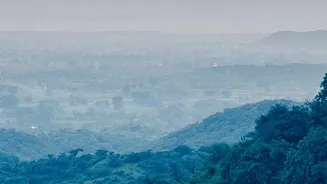
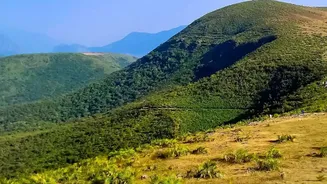
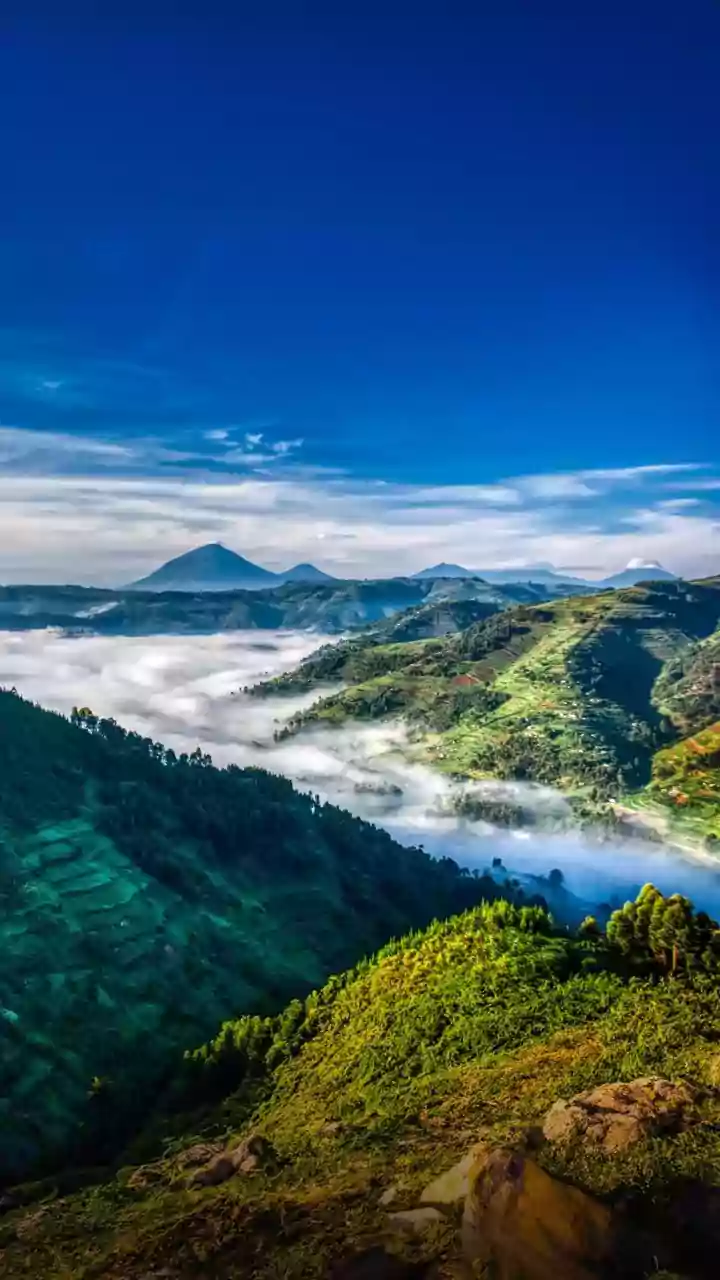
Skandagiri, also known as Kalavara Durga, offers a unique and almost mystical experience: the night trek. Trekkers begin their ascent in the dark, guided by torchlight and stars, culminating in a spectacular sunrise viewed from above a sea of clouds. For IT professionals who spend their days staring at screens, this physical and sensory experience is a powerful antidote. The trek is of moderate difficulty, a physical challenge that engages the body in a way a desk job never could. Reaching the 1,450-metre summit to witness the dawn provides a profound sense of accomplishment and a mental reset that a weekend of screen time cannot match. The ruins of Tipu Sultan's fort at the peak add a layer of historical intrigue to the natural beauty.
Savandurga: Conquering Asia's Monolith
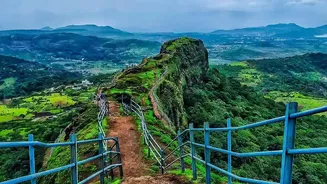
If Skandagiri is about atmosphere, Savandurga is about raw, physical challenge. Touted as one of Asia's largest monolith hills, its sheer rock face presents a formidable and rewarding climb. The trek is steep and demanding, requiring focus and endurance—qualities that are tested in a completely different context from a coding marathon. The panoramic views of the Manchanabele and Thippagondanahalli reservoirs from the top are a worthy reward for the effort. Conquering Savandurga is a tangible achievement, a physical victory that offers a powerful mental boost and a break from the abstract challenges of the digital world. The trail is best attempted between October and March to avoid slippery conditions during monsoons or extreme heat in the summer.
More Than a Walk: A Digital Detox
A key reason for the popularity of these treks is the enforced digital detox. In the hills, network connectivity is often spotty or non-existent, compelling professionals to put away their devices and engage with the present moment. This disconnection is a vital component of the 'reset'. Studies and experts have long noted the mental health benefits of hiking, which include reduced stress, anxiety, and repetitive negative thoughts. The physical activity releases endorphins, while being immersed in nature has a calming effect on the mind. For a demographic constantly connected and on-call, this forced break from notifications and emails is not a bug, but a feature.
Building Bonds Beyond the Boardroom
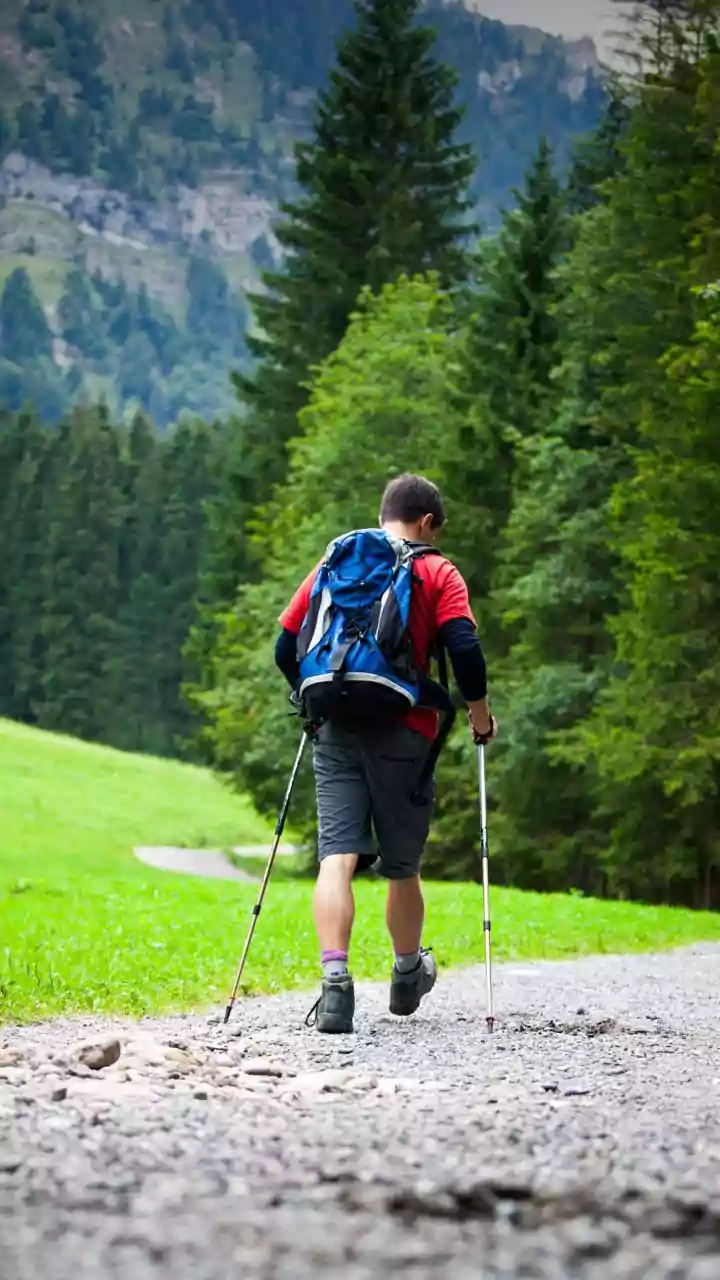
Trekking is rarely a solitary activity. It’s a communal experience, often undertaken with friends or as part of organized groups. This provides an opportunity for social bonding outside the structured hierarchy of the workplace. On the trail, designations fade away, and teamwork takes on a new meaning—offering a hand on a steep section or sharing water. These shared experiences build camaraderie and genuine connections that often last long after the trek is over. For young professionals who may have moved to Bengaluru for work, these trekking groups become a crucial part of their social support system, helping combat the loneliness that can accompany a demanding career in a big city.