



The Classics: Unmissable Qatari Dishes
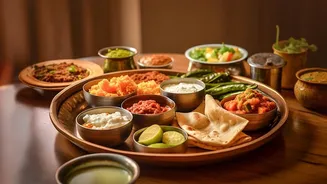
At the heart of Qatari cuisine are slow-cooked, deeply fragrant dishes that speak of tradition and communal dining. The undisputed national dish is Machboos, a flavor-packed meal of spiced rice cooked with either tender lamb, chicken, or local fish like
hammour. Look for hints of cardamom, cinnamon, and 'loomi', or dried black lime, which gives the dish its signature tangy depth. Another comfort food staple is Harees, a savory porridge of boiled, cracked wheat mixed with meat until creamy and satisfying. For a taste of Bedouin heritage, try Thareed, a hearty stew of meat and vegetables soaked into crispy, thin layers of 'regag' bread. These dishes are more than just sustenance; they are a celebration of family recipes passed down through generations.
The Souq Waqif Experience
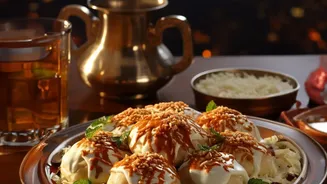
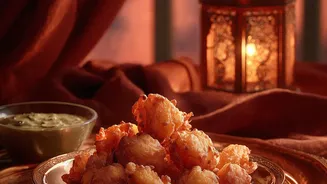
No culinary tour of Qatar is complete without getting lost in the labyrinthine alleyways of Souq Waqif in Doha. This bustling marketplace is the city's cultural and gastronomic soul. Here, you can find everything from high-end Persian restaurants like Parisa, known for its stunning mosaic interiors, to humble, family-run eateries. For an authentic Qatari breakfast, visit Shay Al Shamoos, a cafe run by a celebrated local woman, and order 'balaleet' (sweet saffron vermicelli topped with an omelet) and 'regag' bread with cheese and honey. As evening falls, the souq comes alive with the aroma of grilled kebabs and vendors selling local delicacies like 'Luqaimat'—sweet, fried dumplings drizzled in date syrup. For a fantastic, no-frills meal, grab a table at a Yemeni spot like Bandar Aden for massive platters of slow-roasted lamb on rice.
A World of Flavors: International Fine Dining
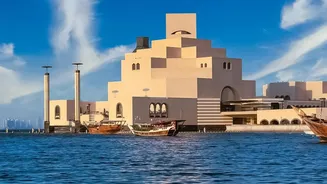
Qatar’s role as a global crossroads is reflected in its sophisticated fine-dining scene, where internationally acclaimed chefs have established a strong presence. The Pearl-Qatar and West Bay districts are dotted with outposts of world-famous restaurants like Nobu, Zuma, and Hakkasan. For a truly unique experience, IDAM by Alain Ducasse, located on the top floor of the Museum of Islamic Art, offers contemporary French Mediterranean cuisine with an Arabic twist, complemented by stunning views of the Doha skyline. The country's first Michelin Guide, launched in 2025, awarded a Bib Gourmand to Argan, a Moroccan restaurant in Souq Waqif celebrated for its high-quality, good-value tagines and couscous. This blend of global culinary excellence and local inspiration makes Doha a compelling destination for discerning food lovers.
Coffee, Karak, and Sweet Endings
The social fabric of Qatar is woven with the rituals of coffee and tea. 'Gahwa', traditional Arabic coffee, is a symbol of hospitality. It's a lightly roasted, cardamom-heavy coffee served in a tiny cup called a 'finjaan'. You'll typically be served three polite cups, accompanied by dates. Shaking the cup from side to side signals you've had enough. At the other end of the spectrum is Karak, a strong, milky tea boiled with cardamom and sugar, which has become the nation's unofficial street-side beverage of choice. For dessert, don't miss Luqaimat, crispy fried dough balls that are soft on the inside and drenched in sweet syrup. Another unique breakfast-dessert hybrid is Balaleet, a sweet and savory dish of vermicelli noodles cooked with sugar and spices, often topped with an omelet.
Essential Dining Etiquette
Hospitality is paramount in Qatari culture, and sharing a meal is a sign of respect. If invited to a traditional meal, you may find yourself sitting on the floor and eating from a large communal platter. Always use your right hand for eating, as the left is considered unclean. It is polite to accept what is offered, and leaving a small amount of food on your plate at the end signals that you are full and have enjoyed the generous meal. While many restaurants in hotels serve alcohol, it is not available elsewhere. Instead, enjoy the fantastic array of fresh juices and traditional drinks. Tipping is not always expected, but a 10% tip is appreciated if a service charge is not included in the bill.