






The Sun-Soaked Summer Peak
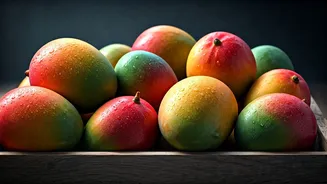
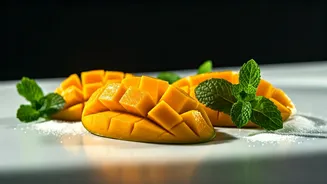
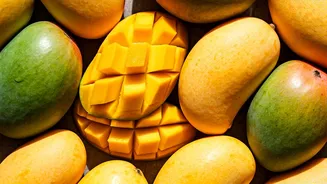
For most Americans, the quintessential mango experience is a summer affair. From late spring through August, supermarket displays overflow with the fruit, primarily sourced from Mexico, Central America, and our own groves in Florida and California. This
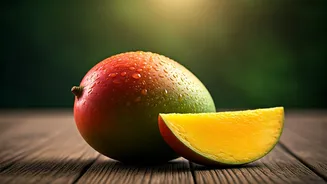
is when we see the familiar, flame-colored Tommy Atkins, the sweet and floral Kent, and the crown jewel for many: the small, kidney-shaped Ataulfo (or Honey) mango, whose fiberless, custardy flesh is the stuff of dreams. This period defines our relationship with the fruit—a messy, delightful, juice-running-down-your-chin ritual that tastes like sunshine. It’s the seasonal high point that sets the stage for a year-round craving.
The Global Mango Relay Race
Here's the secret to finding a pretty decent mango in the middle of November: the mango season never truly ends, it just moves. What we perceive as a single season is actually a masterfully coordinated global relay race. As the Mexican and Central American harvests wind down in the fall, suppliers pivot south. Growers in countries like Ecuador and Peru, where the seasons are flipped, are just hitting their stride. Their harvest window, running roughly from October through February, fills the gap in the U.S. market perfectly. This seamless handoff means that while the varieties might change slightly, the flow of fresh mangos to American ports is nearly continuous. It’s a quiet miracle of modern logistics that keeps the produce aisle perpetually golden.
From Fresh Fruit to Flavor Fixture
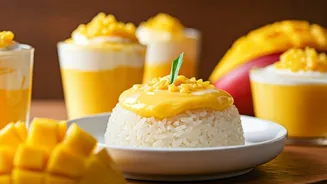
The real story of modern mango mania, however, extends far beyond the fresh fruit section. The obsession persists because the mango has transcended its physical form to become a staple *flavor*. Walk down any grocery aisle and you'll see it. The freezer section is packed with bags of perfectly diced mango chunks, the bedrock of a million morning smoothies. The snack aisle boasts chewy, intensely sweet dried mango slices, a lunchbox hero. And the beverage cooler? It’s a full-on mango party, with mango-flavored seltzers, juices, kombuchas, and craft beers. That’s not to mention the sorbets, ice creams, yogurts, and even savory items like mango salsa and chutneys that have become permanent fixtures. This pervasiveness has decoupled our enjoyment of mango from the calendar, turning a seasonal treat into an on-demand flavor profile.
Becoming a Mango Connoisseur
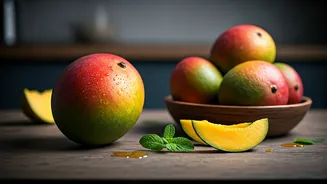
This year-round availability has also created a new kind of consumer: the mango connoisseur. No longer content with just any mango, dedicated fans are learning to distinguish between varieties. They know that the firm, mildly sweet Tommy Atkins is great for dicing into a salsa, while a silky-smooth Kent is best eaten on its own over the sink. They learn the tell-tale signs of a ripe fruit—a gentle give under pressure and a fragrant, floral scent at the stem, rather than just looking at the color (which is often a misleading indicator). This deeper engagement is a hallmark of true mania. When a food inspires this level of discernment and passion, it’s no longer just a commodity; it’s a cultural touchstone.