



The Appeal of Sensory Connection
The primary, undeniable benefit of barefoot hiking is the rich sensory experience. Our feet, typically confined to shoes, have thousands of nerve endings designed to provide feedback about our environment. When you walk barefoot, you engage these nerves,
feeling the varied textures of soft grass, cool mud, and textured soil. This direct contact with the ground can heighten your sense of presence and connection to nature, a practice sometimes linked to 'forest bathing' or 'shinrin-yoku'. For many, this stimulation is mentally refreshing, boosting mood and reducing stress by fostering a state of mindfulness and grounding. It’s a way to break from the monotony of paved surfaces and cushioned footwear, offering a direct, tactile relationship with the world.
The Purported Health Benefits
Beyond the sensory pleasure, advocates of barefoot hiking and the related practice of 'earthing' or 'grounding' make several health claims. The most prominent theory is that direct skin contact with the earth's surface allows our bodies to absorb free electrons, which supposedly neutralize damaging free radicals and reduce inflammation. Proponents claim this can lead to a wide array of benefits, including improved sleep, better heart health, and reduced chronic pain. On a more mechanical level, walking barefoot is said to strengthen the small, underused muscles in the feet and lower legs, improve balance, and encourage a more natural gait. Some believe this can help prevent common foot problems and enhance proprioception—your body's awareness of its position in space.
What the Science Actually Says
When we move from anecdotal reports to scientific evidence, the picture becomes more complex. The claims around 'earthing' and absorbing electrons from the ground are currently under-researched and not widely accepted by the mainstream medical community. While some small studies suggest potential positive effects on inflammation and stress, much more rigorous, independent research is needed to validate these intriguing ideas. However, the mechanical benefits have more standing. Podiatrists and physical therapists acknowledge that walking barefoot on safe, soft surfaces can indeed help strengthen intrinsic foot muscles that are often weakened by overly supportive shoes. This can improve foot stability over time. Using minimalist footwear can provide similar benefits while offering a layer of protection, with studies showing it can strengthen foot muscles. A more natural gait, with less forceful heel striking, is another potential advantage.
The Undeniable Risks and Dangers
While the benefits are debated, the risks are very real and should not be underestimated. The most obvious danger is injury from the terrain. Sharp objects like glass, rocks, or thorns can cause cuts and puncture wounds, leading to infections. Surfaces can be unexpectedly hot or cold, causing burns or tissue damage. Beyond immediate injury, walking barefoot exposes your skin to bacteria and fungi, increasing the risk of conditions like athlete's foot or warts. For certain individuals, barefoot hiking is particularly hazardous. People with diabetes or peripheral neuropathy often have reduced sensation in their feet and may not notice a cut or injury until it becomes severely infected. Furthermore, suddenly switching from supportive shoes to no support can put immense stress on feet and arches, potentially leading to conditions like plantar fasciitis or stress fractures, especially on hard surfaces.
Finding a Safe and Sensible Middle Ground
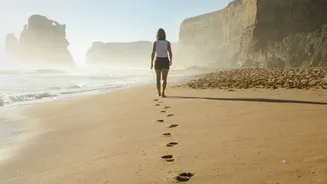
So, how can you enjoy the sensory benefits without succumbing to the risks? The key is a gradual and mindful approach. Podiatrists recommend starting slowly to allow your feet to adapt. Begin by walking barefoot for short periods on safe, predictable surfaces like a clean lawn or a sandy beach. Always inspect the area for hazards before you start. For hiking on more rugged trails, minimalist 'barefoot shoes' offer a great compromise. These shoes have thin, flexible soles that allow for sensory feedback and natural foot movement while still providing crucial protection from puncture wounds and rough terrain. Listening to your body is critical. If you feel pain, stop. Gradually increasing the duration and intensity of your barefoot or minimalist footwear sessions is the safest way to build strength and avoid injury.