

Ziro Valley, Arunachal Pradesh: A Cultural Tapestry
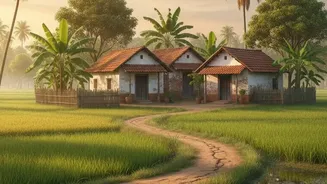
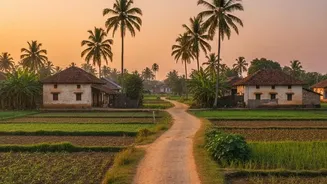
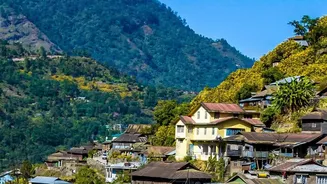
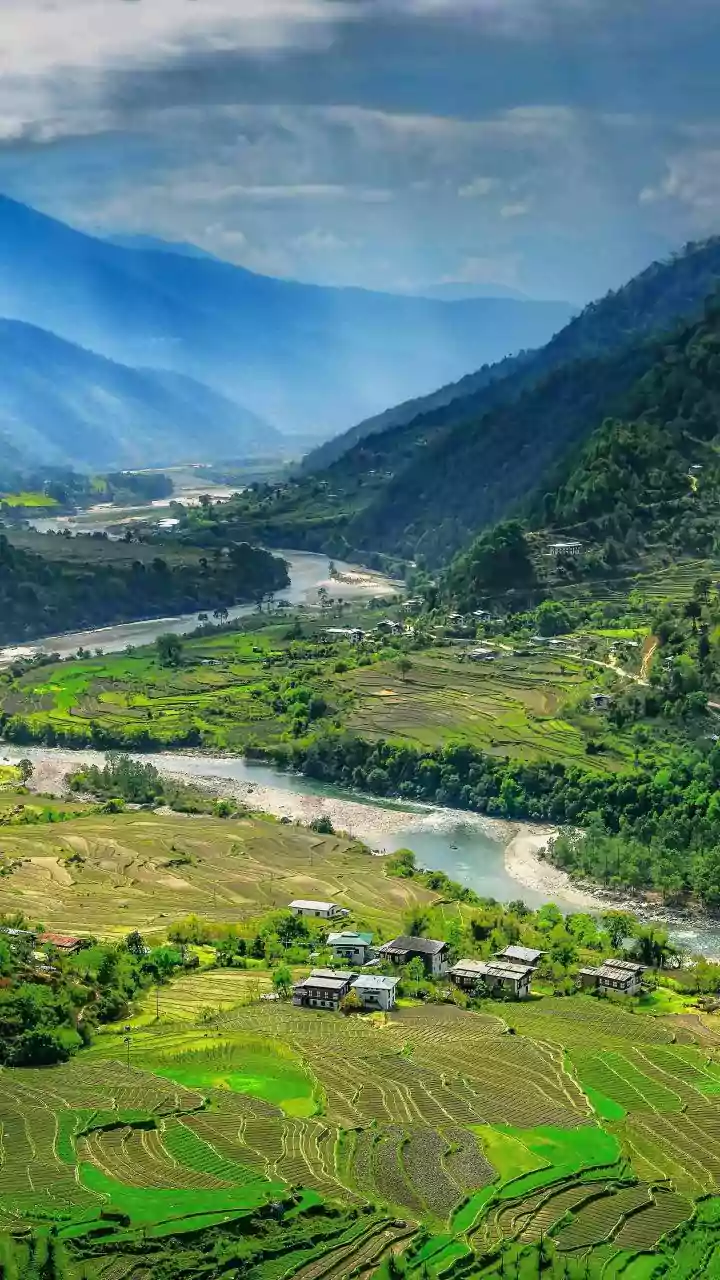
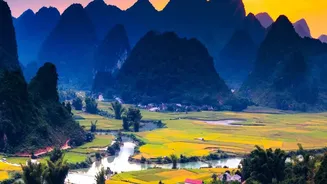
Ziro Valley is a landscape photographer's dream and a cultural enthusiast's paradise. Nominated as a UNESCO World Heritage site, its fame comes from the unique agricultural system of the Apatani tribe, who cultivate rice and fish together in lush, irrigated
fields. The valley is a sprawling canvas of these green paddies, ringed by hills cloaked in dense pine forests. Beyond its natural beauty, Ziro offers a chance to experience the distinct culture of the Apatani people by respectfully visiting their villages, such as Hong and Hari. While it is famous for the Ziro Festival of Music held in September, the valley is a tranquil escape year-round, especially between March and May for spring blossoms or October and November for clear skies and post-harvest golden fields. Indian travellers require an Inner Line Permit to visit.
Dzukou Valley, Nagaland: The Rolling Green Wilderness
Straddling the border of Nagaland and Manipur, Dzukou Valley is a trekker's paradise often called the 'Valley of Flowers of the Northeast'. Reached only by foot, the valley floor sits at an altitude of over 2,400 metres and is famous for its endlessly rolling hills covered in a carpet of dwarf bamboo, giving it a manicured, otherworldly appearance. The main trek, which takes about 3-5 hours, is considered moderate, with a steep initial climb that gives way to gentle walks across the valley floor. The best time to visit is from June to September when the landscape is at its greenest and seasonal flowers, including the endemic pink Dzukou lily, are in bloom. For clearer skies and golden-hued grasses, the period from October to November is ideal. A trip here requires an overnight stay in a basic guesthouse or camp to truly soak in the sunset and sunrise views over this pristine wilderness.
Majuli, Assam: Life on the River Island
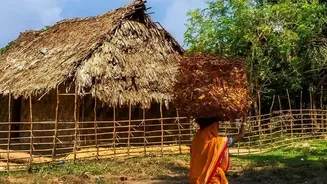
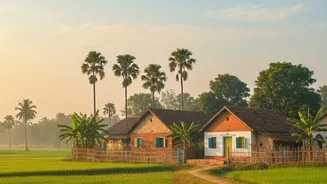
Majuli is not just an island; it's a world unto itself. As one of the world's largest river islands, nestled in the Brahmaputra River, life here moves at a slower, gentler pace. It is the heart of Assam's Neo-Vaishnavite culture, home to dozens of 'satras' or monasteries where traditions of music, dance (like Sattriya), and mask-making are preserved. Visiting satras like Auniati and Samaguri offers a deep dive into this unique heritage, with the latter being famous for its intricate mask-making craft. The landscape is a serene mix of wetlands, paddy fields, and small villages inhabited by the Mishing tribe, often featuring homes built on stilts. Exploring Majuli by bicycle is a popular way to experience its tranquil roads and lush countryside. The best time to visit is during the Raas Mahotsav festival in November or in the cooler winter months for birdwatching.
Nongriat, Meghalaya: In the Land of Living Root Bridges
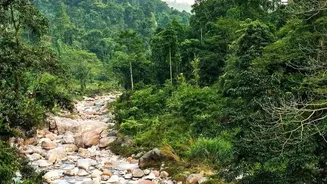
Deep in the East Khasi Hills of Meghalaya lies Nongriat, a village accessible only by a challenging but rewarding trek down approximately 3,500 stone steps. This remote hamlet is world-renowned for its living root bridges, a stunning example of bio-engineering by the Khasi people. These are not built, but grown, by guiding the aerial roots of rubber fig trees across rivers over many years. The crown jewel is the 'Jingkieng Nongriat', a magnificent double-decker root bridge, where two bridges are stacked one above the other. The journey through the lush jungle, past smaller root bridges and crystal-clear streams, is as magical as the destination itself. For the more adventurous, a further hike leads to the stunning Rainbow Falls. A visit here is a powerful reminder of a harmonious relationship between humanity and nature.
Pelling, West Sikkim: The Kanchenjunga Spectacle
While Gangtok is the bustling capital, the quieter town of Pelling in West Sikkim offers something truly sublime: one of the closest and most spectacular non-trekking views of Mount Kanchenjunga. Perched on a ridge at over 7,000 feet, Pelling faces the world's third-highest peak directly. On clear mornings, especially from October to February, the entire Kanchenjunga massif seems to fill the horizon, creating an unforgettable sunrise spectacle as the peaks change from soft pink to brilliant gold. The best views can often be found directly from hotel balconies in Upper Pelling or from the open ground of the Pelling Helipad. Beyond the mountain views, Pelling is a gateway to historic sites like the Pemayangtse Monastery and the Rabdentse Ruins, the ancient capital of Sikkim.