



An Invisible Threat From Our Sun
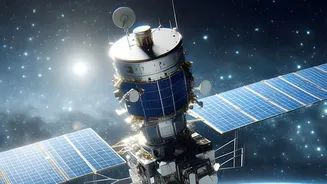
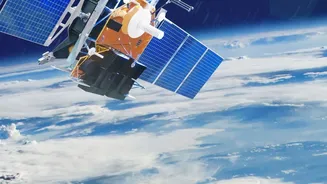
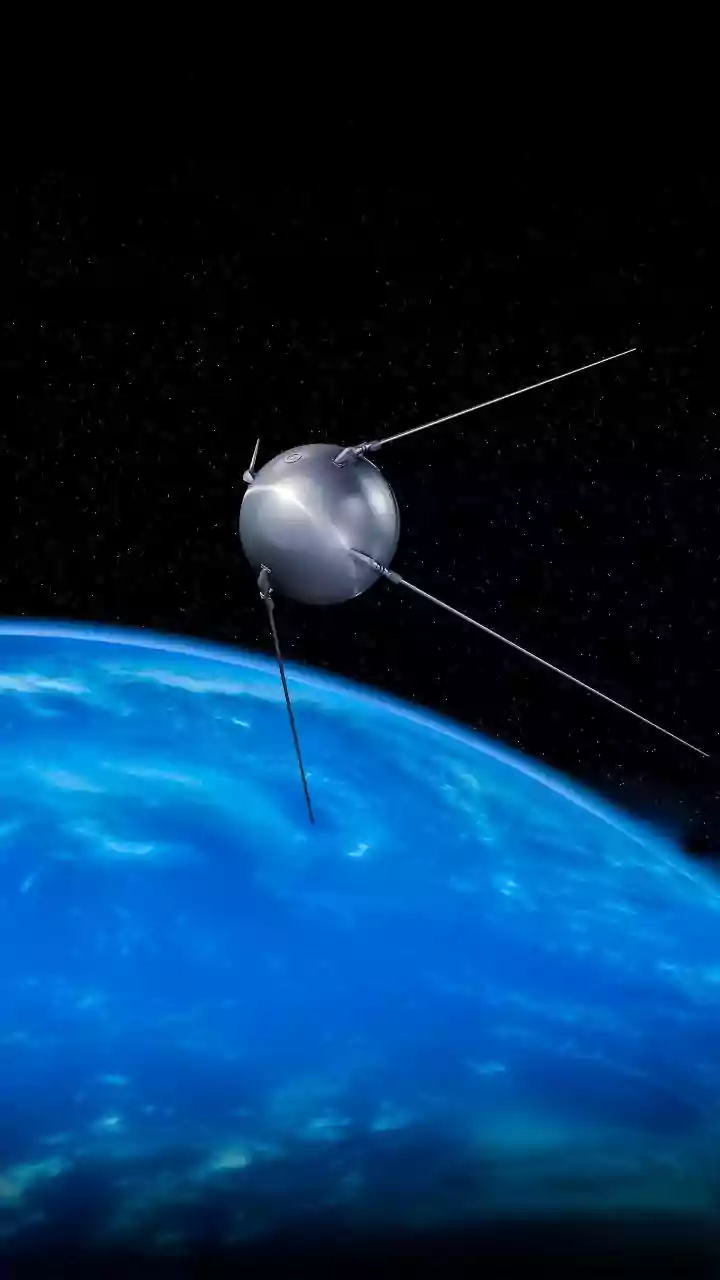
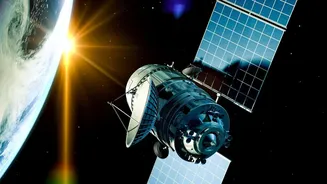
We depend on satellites for everything from navigating our streets with GPS to processing bank transactions and watching live sports. Yet this critical infrastructure, worth billions of dollars, is vulnerable to what scientists call 'space weather'. Unlike
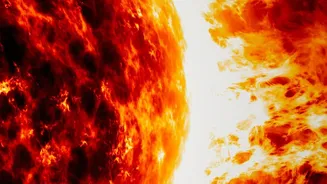
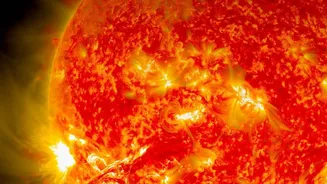
terrestrial weather, this isn't about rain or wind. It refers to the volatile conditions in space driven by the sun. The main culprits are solar flares, which are intense bursts of radiation, and coronal mass ejections (CMEs), which are massive eruptions of charged particles and magnetic fields from the sun's outer atmosphere, the corona. These phenomena send high-energy particles hurtling through space, and when Earth is in the firing line, our technology can be in serious trouble.
Satellites in the Firing Line
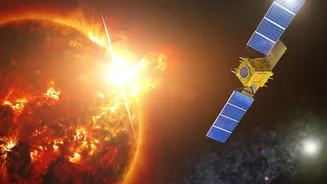
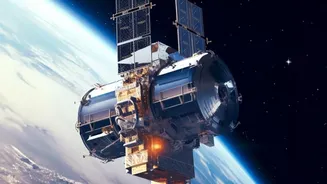
When a solar storm hits, satellites bear the brunt of the impact in several ways. Firstly, the bombardment of high-energy particles can physically damage sensitive electronics, an effect known as radiation damage. This can degrade solar panels, reducing a satellite's power, or cause 'single-event upsets'—glitches where a particle flips a digital bit from a 0 to a 1, potentially leading to software malfunctions or a total loss of the spacecraft. Secondly, the energy from a storm heats and expands Earth's upper atmosphere. For satellites in Low Earth Orbit (LEO), this increases atmospheric drag, causing them to lose altitude faster than expected and potentially re-enter the atmosphere prematurely if not corrected. Finally, the storm can cause 'spacecraft charging,' where electrical charges build up on a satellite's surface, leading to electrostatic discharges that can damage its systems.
A Global Network of Solar Sentinels
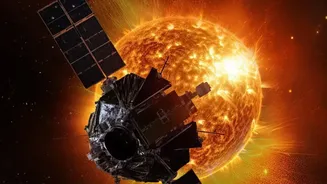
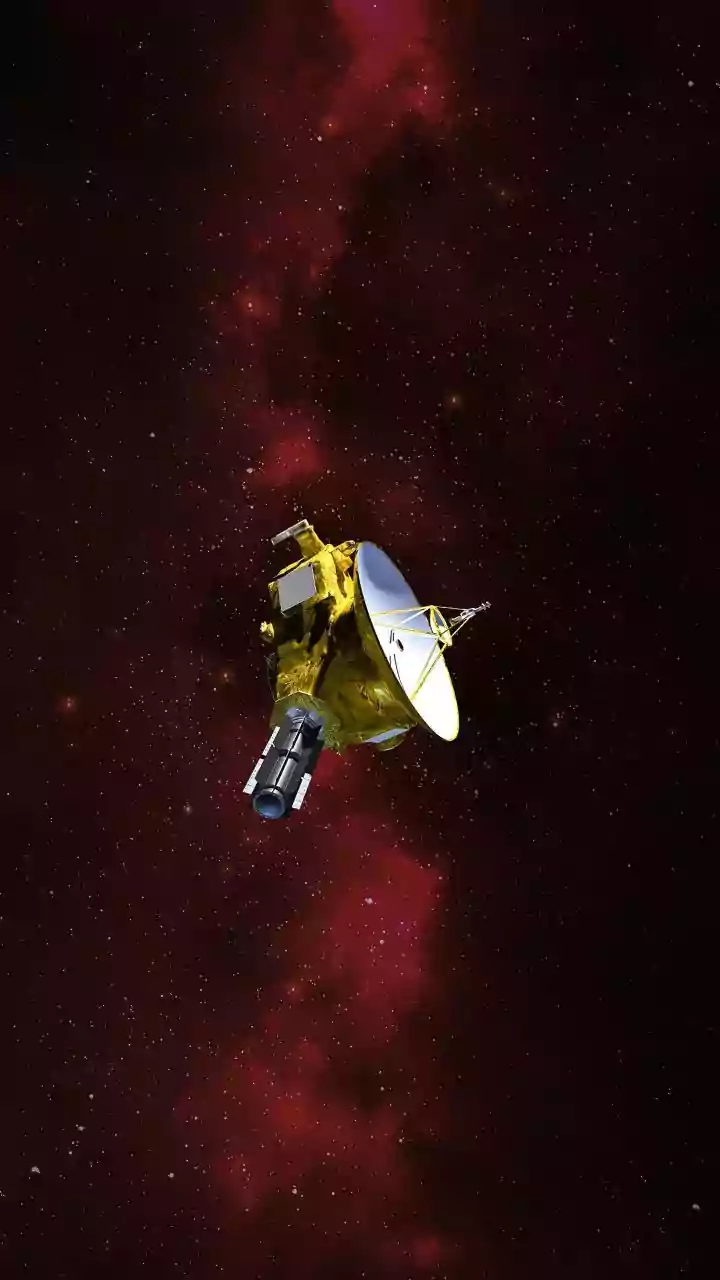
We are not defenceless against these celestial onslaughts. A global network of space and ground-based observatories keeps a constant watch on the sun. In the United States, the National Oceanic and Atmospheric Administration's (NOAA) Space Weather Prediction Center (SWPC) is the official source for alerts. It uses data from satellites like the GOES series and the Deep Space Climate Observatory (DSCOVR), which is positioned 1.5 million kilometres from Earth to get an early look at the solar wind. Crucially, India has become a major player in this effort with its Aditya-L1 mission. Launched by the Indian Space Research Organisation (ISRO), Aditya-L1 is also positioned at the L1 Lagrange point, providing an uninterrupted view of the sun to study solar phenomena and improve space weather predictions.
From Prediction to Protection
Monitoring is only half the battle; the other half is forecasting. Based on the data from observatories like Aditya-L1 and DSCOVR, agencies like NOAA's SWPC issue a series of watches, warnings, and alerts to government agencies, companies, and the public. These alerts give satellite operators, airlines, and power grid managers crucial lead time to prepare. The time it takes for a CME to travel from the sun to Earth can range from 18 hours to a few days, providing a critical window for action. Recent findings from Aditya-L1 are even helping scientists identify small 'brightening' events that occur hours before a major flare, pushing the boundaries of reliable flare forecasting. This is akin to a cyclone warning system, but for storms originating 150 million kilometres away.
Ducking for Cover in Orbit
When a severe space weather alert is issued, satellite operators don't just hope for the best. They take concrete steps to protect their assets. A common tactic is to put the satellite into a 'safe mode'. This involves powering down non-essential or particularly sensitive electronic components to prevent them from being fried by radiation or electrical surges. Operators can also reorient the spacecraft to present a smaller cross-section to the incoming particle storm or use shielding to protect vital instruments. For satellites in low orbits, operators might fire thrusters to counteract the increased atmospheric drag and prevent their orbit from decaying. These proactive measures are essential for minimising damage, extending the operational lifespan of satellites, and ensuring the continuity of the services we all rely on.