





Why Your Digestion Slows Down
Have you ever felt heavier or less hungry during the rainy season? You're not alone. According to both modern dietetics and traditional Ayurvedic wisdom, the monsoon, or 'Varsha Ritu', is a time when our digestive fire, known as 'Agni', naturally weakens.
The increased humidity and moisture in the atmosphere can dampen our digestive strength, making it harder for the body to process food efficiently. This can lead to issues like bloating, acidity, and a general feeling of lethargy after eating. This slowdown isn't just about discomfort; it makes the body more susceptible to water-borne infections, which are more common this season.
Embrace Easily Digestible Vegetables
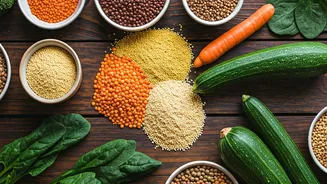
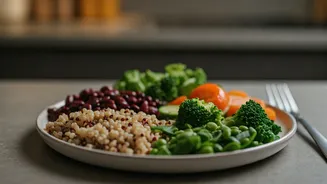
The key is to favour vegetables that are light and easy on the stomach. Gourds are an excellent choice during this season. Think lauki (bottle gourd), turai (ridge gourd), parwal (pointed gourd), and pumpkin. These vegetables have high water content and are easy to cook and digest. Other good options include carrots, beans, and beets. It's best to consume vegetables in a well-cooked form, such as in soups, stews, or as steamed sabzis. Raw salads should be approached with caution, as uncooked food carries a higher risk of contamination during the monsoon. If you do have them, ensure they are washed thoroughly, preferably with warm water.
Choose the Right Grains and Pulses
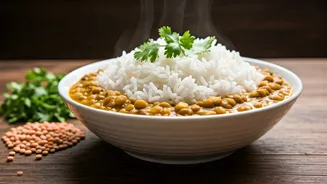
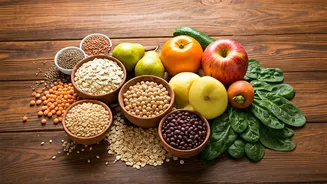
Heavy grains can be difficult to process when digestion is sluggish. Opt for lighter alternatives like old barley, rice, and wheat. Moong dal is particularly praised during this season for being one of the most easily digestible pulses. A warm bowl of moong dal khichdi, cooked with a dollop of ghee and simple spices, is considered a perfect monsoon meal—it's comforting, nourishing, and gentle on the gut. Millets like jowar and daliya are also great fibre-rich choices that support good digestion.
Harness the Power of Spices
Indian spices are not just for flavour; many have powerful digestive and immunity-boosting properties that are especially beneficial during the monsoon. Ginger, with its anti-inflammatory properties, is excellent for soothing the gut. Turmeric is a well-known antiseptic, while spices like cumin (jeera), asafoetida (hing), and black pepper aid digestion and help prevent bloating. Adding a small piece of ginger before meals or sipping on herbal teas made with ginger, tulsi, and lemongrass can keep your digestive system active and your immunity strong.
Foods to Limit or Avoid
While cravings for fried snacks like pakoras and samosas are at their peak, these oily foods are hard to digest and can lead to stomach upset. It's also wise to be cautious with street food, especially items like chaat and fresh juices, due to the high risk of water contamination. Leafy green vegetables such as spinach and cabbage, though usually healthy, can harbour dirt and germs in the damp weather and are best eaten after being thoroughly washed and well-cooked. Heavy meats and certain dairy products like curd can also be difficult to process and are best consumed in moderation.
Simple, Light Meal Ideas
Planning lighter meals doesn't have to be complicated. For breakfast, consider warm options like poha, upma, or steamed idlis and dhoklas. Lunch can be a simple affair of dal, rice, and a seasonal vegetable sabzi like lauki or turai. Warm soups are a fantastic dinner option, providing hydration and nutrients without taxing your system. A classic moong dal khichdi can serve as a complete and comforting meal for either lunch or dinner. For snacks, instead of reaching for fried items, try healthier alternatives like roasted corn (bhutta), fruit and nut chia pudding, or baked samosas.