
The Goal: Steadiness Meets Ease
Tadasana is the blueprint for all other standing poses. Its purpose is to teach you how to stand tall with optimal posture, feeling both rooted to the earth and lifted toward the sky. However, many people mistake 'active' for 'tense', leading to clenched
jaws, hiked-up shoulders, and locked knees. The ancient yoga sutras speak of balancing 'sthira' (steadiness and strength) with 'sukha' (comfort and ease). Mountain Pose is the perfect laboratory for this concept. It’s not about being rigid like a soldier; it’s about finding active stability that feels calm and sustainable.
Start From the Ground Up: Your Feet
Tension often starts where we meet the ground. Instead of gripping the mat with your toes, think about distributing your weight evenly across all four corners of each foot: the mound of the big toe, the mound of the little toe, and both sides of your heel. You can lift and spread your toes wide, then gently lower them back down to feel this connection. Your feet can be hip-width apart for stability or, if you're more experienced, with the big toes touching. The goal is to create a firm, grounded base without clenching.
Active Legs, Not Locked Knees
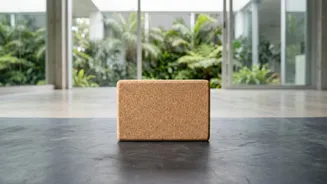
One of the most common mistakes in Tadasana is locking the knees. This puts strain on the joints rather than using your muscles for support. Instead, keep a tiny, almost imperceptible micro-bend in your knees. Engage your quadriceps (thigh muscles) by gently lifting your kneecaps. You might also imagine gently squeezing a block between your upper thighs to feel the inner leg muscles activate. This creates an upward lift that supports your spine from below.
Find a Neutral Pelvis and Core
Another tension hotspot is the lower back. Many people either over-arch their back, pushing their ribs forward, or over-tuck their tailbone, flattening the natural curve of the spine. To find neutrality, imagine your tailbone lengthening down toward your heels while gently engaging your lower abdominal muscles, as if zipping up a snug pair of jeans. This subtle core engagement supports your lower back and creates a stable platform for your upper body, preventing strain.
Let Go of Upper Body Tension
Stress loves to live in our shoulders, neck, and jaw. While standing in Mountain Pose, consciously check in with these areas. Roll your shoulders up toward your ears, then slide them back and down your spine, creating space and opening your chest. Let your arms hang naturally by your sides, with palms facing forward to encourage this broadness across the collarbones. Finally, soften your face. Let there be space between your eyebrows and relax your jaw. Tension here serves no purpose and only creates strain. Keep your gaze soft and straight ahead.
Bringing It All Together
Once you have the individual pieces, put them together with breath. Stand in your aligned pose and take several deep, even breaths. On your inhales, feel a sense of lengthening from your heels to the crown of your head. On your exhales, feel yourself rooting down into the floor while softening any areas of lingering tension. The pose is not static; it’s a dynamic balance of grounding down while lifting up, of effort and ease. This mindful engagement transforms 'just standing' into a powerful practice of body awareness.