



Your Monsoon Packing List
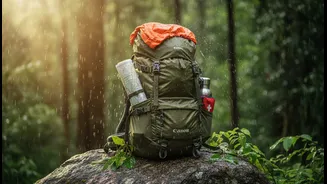
Packing smart is the first step. Leave the cotton and jeans behind; they absorb moisture and take forever to dry. Instead, opt for quick-drying synthetic fabrics for your clothes. A high-quality waterproof rain jacket or poncho is non-negotiable. Invest
in footwear with a strong grip, like waterproof trekking sandals or trail runners, to navigate slippery paths. To protect your valuables, use waterproof backpack covers, dry bags, or even simple zip-lock pouches for your electronics, documents, and cash. A microfiber towel is another essential, as it dries quickly. For treks in forest regions, anti-leech socks are a must-have to create a barrier and make it harder for leeches to get to your skin. Finally, temperatures can drop, so packing a thin fleece for cool evenings is a wise move.
Prepping Your Vehicle for the Ghats
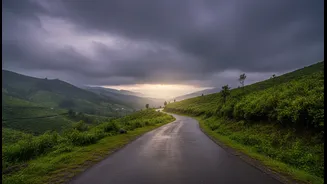
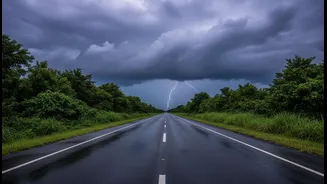
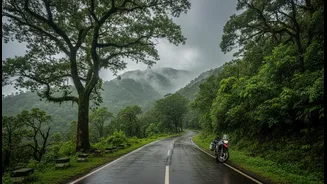
If you're planning a road trip, your vehicle needs a thorough check-up. The winding, wet roads of the ghats demand a car in optimal condition. Pay special attention to your tyres; ensure they have adequate tread depth for good grip on slippery surfaces. Your brakes are your lifeline on steep descents, so have them checked to ensure they are in good working order. Functional windscreen wipers are critical for visibility during downpours, so replace them if they're worn out. Also, check all your lights – headlights, taillights, and indicators – to ensure you are visible to other drivers in low-light conditions. Driving in the ghats requires using lower gears on inclines and descents to maintain control and reduce strain on your brakes. Always maintain a safe distance from the vehicle ahead, as braking distances increase on wet roads.
Health and Safety First
Monsoon brings an increased risk of infections. Prioritise hygiene by washing your hands frequently and carrying a hand sanitizer. To avoid water-borne diseases, drink only bottled, filtered, or boiled water and be wary of street food, which can be a source of contamination. Your first-aid kit should include basics like antiseptic liquid, bandages, and antifungal powder, which is useful for preventing skin infections in the humid climate. Mosquitoes are prevalent, so a strong repellent is essential to protect against diseases like dengue and malaria. When trekking, be prepared for leeches. While generally harmless, they can be a nuisance. Carrying salt, vinegar, or an antiseptic spray can help in their removal. Never pull a leech off forcefully; instead, break its suction first.
Choosing Your Route Wisely
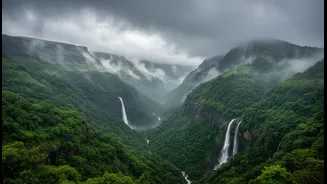
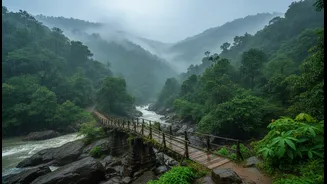
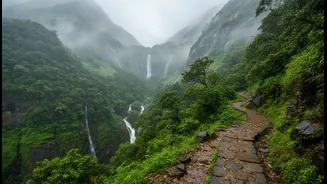
Not all trails and roads are safe during heavy rains. Before you go, research your route and check for any local advisories regarding landslides or road closures, which are common in the ghats during this season. Some popular trekking routes, like those with steep, technical climbs or flash flood-prone gullies, are best avoided. Instead, opt for trails that are known to be safer during the monsoon, such as the wide, stone-paved path at Lohagad fort or the gradual forest trail to Rajmachi from Lonavala. It's also a good idea to build buffer days into your itinerary to account for unexpected delays due to weather. Always let someone know your travel plans and avoid trekking alone, especially in remote areas. Hiring a local guide can provide valuable knowledge of the terrain and weather patterns.