


Chiricahua National Monument, Arizona
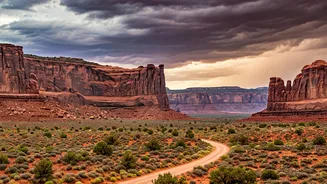
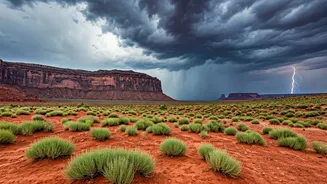
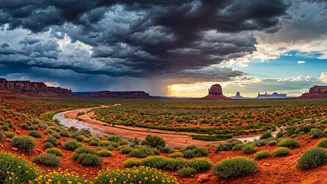
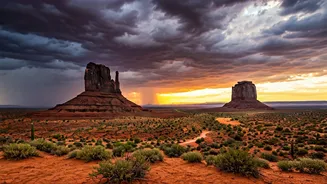
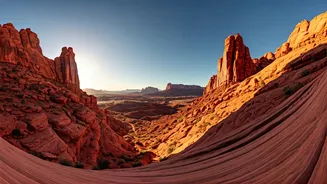
Known as a "Wonderland of Rocks," this southern Arizona gem is a geologic spectacle year-round. But during the monsoon, it becomes something else entirely. The rhyolite rock pinnacles, balanced precariously for millennia, are suddenly slicked with rain,
darkening to a deep, dramatic amber. The summer storms roll in fast over the Sky Islands, creating some of the most theatrical cloud formations you'll ever see. More importantly, the rains trigger a vibrant green-up. Mosses and ferns that lay dormant in the shaded canyons spring to life, blanketing the rocks in a soft, verdant coat. Hiking trails like the Echo Canyon Loop become cooler and more fragrant, with the scent of wet pine and creosote filling the air. It’s a photographer’s dream, where the contrast between the fiery orange rock and the lush, temporary greenery is otherworldly.
Jemez Mountains, New Mexico
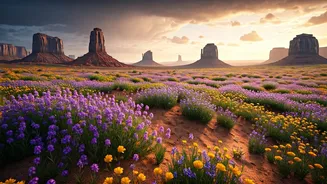
Just a short drive from Santa Fe, the Jemez Mountains offer a high-altitude escape that truly flourishes during the monsoon. While others are seeking shelter, this is when the area's meadows erupt in a riot of color. The summer rains awaken dormant seeds, leading to stunning wildflower displays of Indian paintbrush, lupine, and columbine. The Valles Caldera National Preserve, a massive volcanic crater, becomes a lush grassland dotted with grazing elk against a backdrop of dark, brooding storm clouds. The rain often comes in intense but brief afternoon bursts, so a morning hike can be followed by an afternoon watching thunderstorms build over the peaks. The moisture also feeds the area's many natural hot springs and creates temporary waterfalls along State Road 4, making the scenic drive itself an unforgettable part of the experience.
Aravaipa Canyon Wilderness, Arizona
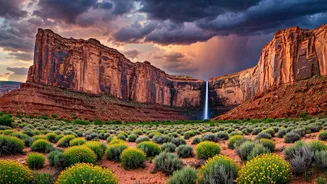
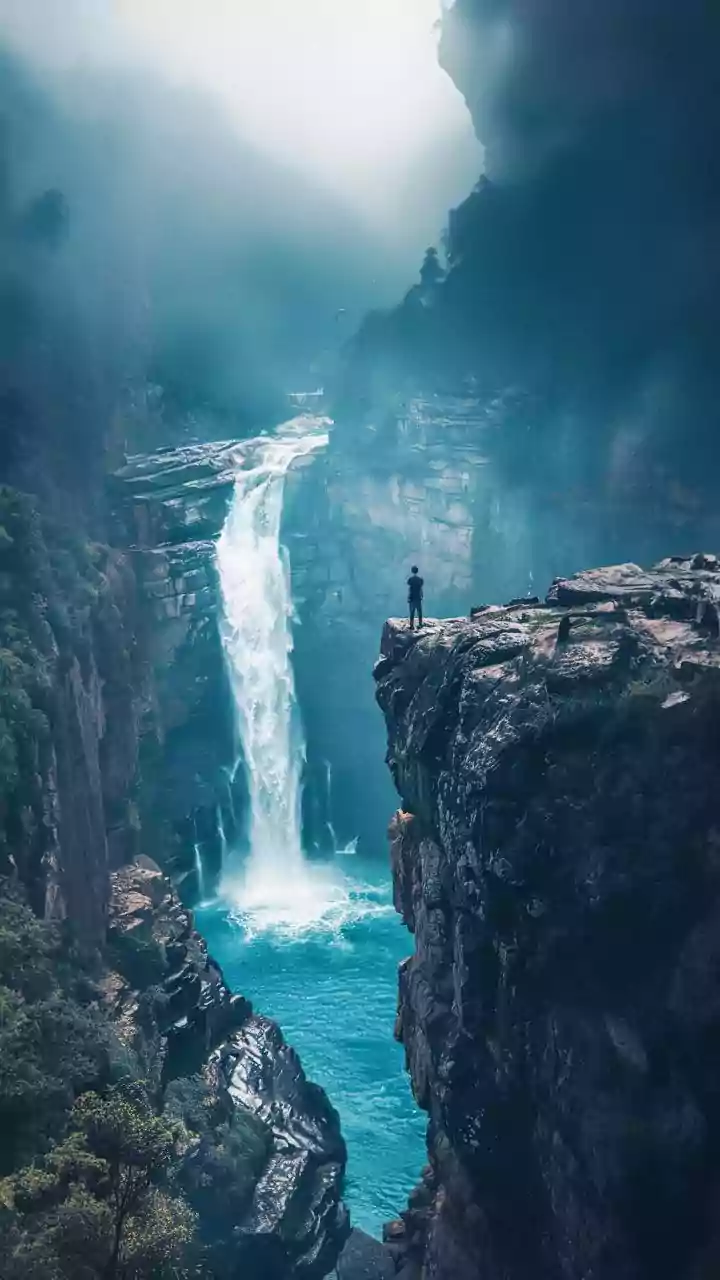
This is a spot for the truly adventurous, as permits are required and the environment is rugged. Aravaipa is a rare perennial desert stream, but the monsoon season supercharges it. The canyon’s soaring walls, normally a stark beige and brown, become streaked with the dark patina of desert varnish as water cascades from the rim. These ephemeral waterfalls are the main event, appearing and disappearing with each storm. The canyon floor, usually a manageable stream walk, can swell dramatically, making it a place that demands extreme caution and respect for weather forecasts. For those who plan carefully, the reward is a primeval world of sound and motion. You’re immersed in the rush of water, the rumble of distant thunder, and the sight of a desert landscape being reborn before your very eyes. It’s a powerful, humbling, and utterly wild experience.
Capitol Reef's Waterpocket Fold, Utah
Capitol Reef National Park is defined by the Waterpocket Fold, a nearly 100-mile-long warp in the Earth's crust. This geologic feature becomes a massive water-funneling system during a monsoon storm. While flash floods are a serious danger here, they are also the architects of the landscape’s beauty. From safe vantage points along the park’s scenic drive or the high ground of the Goosenecks Overlook, you can witness the raw power of nature. Flash floods scour the narrow slot canyons and washes, carrying red sediment that looks like flowing blood. Waterfalls pour over the sandstone cliffs of the Fold, some dropping hundreds of feet. The storms are often localized, meaning you can be standing in sunshine watching a thunderstorm unleash its fury on a distant part of the park. It’s a stark reminder of how this arid land was shaped—not by a lack of water, but by its violent, episodic arrival.