






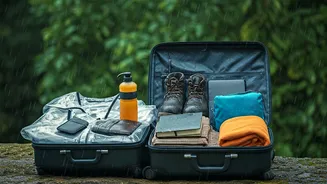


Embrace a Flexible Mindset
The first rule of monsoon travel is to accept that delays are part of the experience. Transportation often slows down due to heavy rain, waterlogging, or poor visibility. Instead of sticking rigidly to a packed itinerary, build buffer time into your schedule—perhaps
an extra day or two for contingencies. This shift in perspective is crucial; seeing a delay as found time rather than lost time can completely change your vacation's tone. Think of it less as a disruption and more as an unscheduled detour. Many seasoned travellers suggest allowing for this extra time, whether it's for flights, trains, or road trips, as it reduces stress and opens up possibilities. Having a Plan B is always a good idea, so you can pivot without panic.
Turn Your Hotel Into a Destination
If you find yourself stuck, your accommodation can become a sanctuary rather than a waiting room. This is the perfect opportunity to explore the amenities you might have otherwise overlooked. Indulge in a spa treatment, take a dip in the indoor pool, or find a comfortable lounge with a window to watch the rain with a hot cup of chai. Many hotels, especially resorts in places like Coorg or Kerala, are designed for this kind of leisurely experience, with beautiful architecture and lush surroundings that come alive in the rain. If your hotel has a well-regarded restaurant, consider it a chance for a culinary exploration. Check if your hotel offers indoor activities; some properties arrange cooking classes, yoga sessions, or cultural performances, turning a rainy day into a highlight of your trip.
Become a Hyper-Local Explorer
A delay confines you to a small area, so why not explore it deeply? If it's safe to step out, you can discover the charm of your immediate surroundings. This could mean finding a cosy local cafe, browsing a nearby market, or visiting a temple you might have otherwise missed. It’s a chance to experience the destination at a slower, more intimate pace. However, safety is paramount. Stick to well-lit areas, avoid flooded streets, and always ask your hotel staff about safe places to walk around. This approach allows you to connect with the place on a different level, observing daily life as it unfolds during the monsoon season.
Swap Outdoor Plans for Indoor Culture
Was your trek or beach day cancelled? Pivot to indoor attractions. Most destinations, even smaller towns, have hidden cultural gems. Look for local museums, art galleries, or historical sites that offer a fascinating glimpse into the region's heritage. In cities, this is an easy switch, but even in hill stations or coastal towns, you can often find old colonial buildings, heritage homes, or small, private collections to visit. This not only saves the day but also adds an enriching layer to your travels you hadn't planned for. A rainy day is the perfect excuse to soak in some culture, and you’ll likely enjoy these spots with fewer crowds.
Use Technology to Your Advantage
Being stuck is the ideal time to plan your next move smartly. Use reliable weather apps like the IMD's official app or others like Windy to monitor the forecast for both your current location and your intended route. This is especially critical for road trips in hilly areas like Himachal or Uttarakhand, where the risk of landslides increases with heavy rain. Check official sources for updates on road closures or train schedules. A few hours of research can help you decide whether to wait it out, re-route, or change your destination entirely. Having waterproof bags or pouches for your electronics is essential for keeping your planning tools safe.
Go on a Culinary Detour
While it's wise to be cautious about street food during the monsoon due to the increased risk of water-borne diseases, a delay is a great time for a planned culinary adventure. Use the time to research a highly-rated local restaurant known for its hygiene and authentic cuisine. Read reviews, ask locals or your hotel for recommendations, and make a reservation. This turns a travel snag into a memorable dining experience. Trying a region-specific thali or a local delicacy in a comfortable, clean environment is a fantastic way to engage with the culture and enjoy the forced downtime.