



The Snack of Our Childhoods
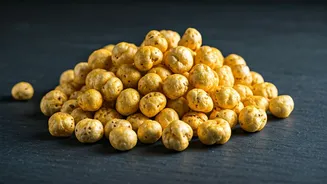
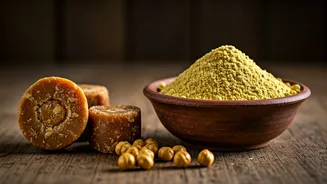
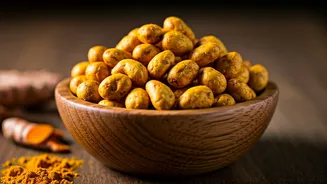
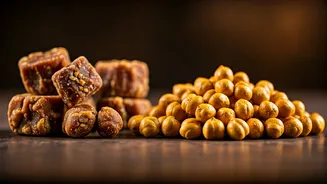
Remember the familiar crunch of roasted chickpeas (bhuna chana) followed by the earthy sweetness of a piece of jaggery (gur)? For generations of Indians, this wasn't a health trend; it was simply a delicious, satisfying snack. It was the treat packed
in a school tiffin, the energy boost during a long journey, or the simple comfort food enjoyed on a winter afternoon. This humble combination is deeply woven into our collective food memory, a taste of home that is both simple and profound. It connects us to a time before calorie-counting apps and fad diets, when food was judged by its ability to nourish and delight in equal measure.
Redefining 'Clean Eating'
The term 'clean eating' has become a global buzzword, often associated with expensive, exotic ingredients and restrictive diets. But in the Indian context, its essence is much more accessible. At its core, clean eating is about choosing whole, minimally processed foods that are nutrient-dense. It’s about returning to the way our ancestors ate — seasonal, local, and natural. Viewed through this lens, the combination of roasted chickpeas and jaggery isn't just a nostalgic treat; it's the original clean snack. It contains no artificial additives, no refined sugars, and no empty calories. It's pure, unadulterated nourishment, straight from nature.
The Humble Chickpea: A Protein Powerhouse
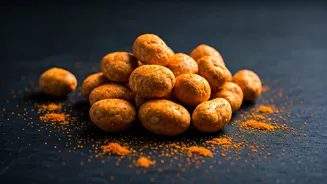
Don't let its small size fool you. The roasted chickpea is a nutritional giant. It is an excellent source of plant-based protein, crucial for building and repairing tissues, and maintaining muscle mass. A single serving can provide a significant portion of your daily protein needs. Beyond protein, bhuna chana is packed with dietary fibre. This fibre aids in digestion, promotes a healthy gut, and contributes to a feeling of fullness (satiety), which can help prevent overeating and support weight management. Furthermore, with a low glycemic index, chickpeas release energy slowly, preventing the sharp spikes and crashes in blood sugar associated with processed snacks.
Jaggery: Nature's Unrefined Sweetener
For too long, jaggery was overshadowed by its refined, crystalline cousin: white sugar. But now, we are rediscovering its wholesome goodness. Unlike refined sugar, which offers little more than empty calories, jaggery is unrefined and retains its natural molasses content. This means it comes loaded with essential minerals like iron, magnesium, and potassium. Traditionally, gur has been valued in Ayurveda for its ability to cleanse the body, aid digestion, and boost immunity. A small piece after a meal is a long-standing tradition for a reason. It satisfies sweet cravings in a healthier way, providing a gentle energy lift without the negative effects of processed sugar.
A Perfect Nutritional Partnership
The magic of gur-chana lies not just in their individual benefits, but in their synergy. They are a perfect example of food pairing where the whole is greater than the sum of its parts. The protein and fibre in the chickpeas slow down the absorption of the natural sugars in the jaggery, providing a steady, sustained release of energy. This makes it an ideal snack for beating the 3 PM slump or fuelling a workout. Moreover, the iron in jaggery is better absorbed by the body when consumed with a source of protein, making this combination a powerful tool against iron-deficiency anaemia, a common concern in India. It's a complete, balanced, and intelligent snack designed by centuries of traditional wisdom.
From Tradition to Trend
Today, this timeless duo is experiencing a well-deserved renaissance. What was once a simple, rustic snack is now being celebrated by nutritionists and embraced by modern health-conscious consumers. You'll find gourmet versions in artisanal snack boxes, trail mixes, and on the shelves of organic stores. This modern revival isn't about replacing tradition, but about validating it with scientific understanding. It’s a powerful reminder that our own food heritage holds immense wisdom. We don't always need to look outside for the next 'superfood'; sometimes, it's already in our pantry, waiting to be rediscovered.