



More Than Just a Flavor
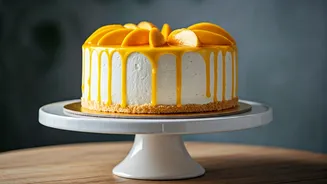
If you’ve noticed a surge of golden-hued cakes in bakery windows, on cafe menus, and across social media, you’re not imagining things. Mango cakes, in various delightful forms, are having a major moment across the U.S. This isn't the cloyingly sweet mango-flavored
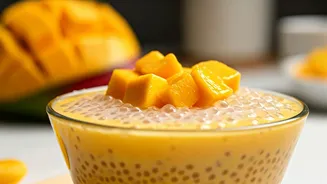
cheesecake you might find at a chain restaurant. This is a new wave of desserts defined by their lightness, balance, and stunning visual appeal. The stars of the show are typically mango chiffon cakes, layered mango mousse creations, and—perhaps most influentially—the Filipino refrigerator cake known as a mango float. They offer a sophisticated, refreshing alternative to the dense, chocolate-heavy desserts that have long dominated the American pastry case.
A Sweet Slice of Culture
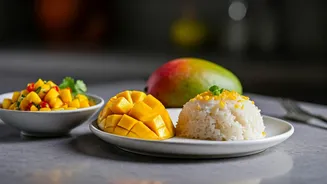
While new to many Americans, the inspiration for this trend has deep roots, particularly in the Philippines. The mango float, or *crema de mangga*, is a beloved, no-bake dessert traditionally made by layering graham crackers, sweetened condensed milk mixed with cream, and slices of ripe Carabao mangoes—a variety famed for its sweetness. It’s a staple at family gatherings and celebrations. As Asian-American bakeries have grown in prominence, they’ve brought these treasured flavors to a wider audience, often elevating them with professional pastry techniques. Chefs are swapping graham crackers for delicate sponge cake and condensed milk for stabilized whipped cream, but the soul of the dessert—the celebration of the mango—remains. This trend isn't just about a fruit; it's about the delicious cultural exchange happening in America’s bakeries.
Engineered for the Instagram Era
You can’t talk about the rise of the mango cake without talking about TikTok and Instagram. These cakes are a content creator’s dream. Their bright, cheerful color pops on screen. The clean, distinct layers are visually satisfying. Videos showing a knife gliding effortlessly through a perfect square of jiggly mango mousse or a baker artfully arranging mango slices on top routinely go viral. In a food landscape where aesthetics are as important as taste, the mango cake is a clear winner. It doesn't need filters or editing to look spectacular. Its natural beauty makes it inherently shareable, fueling a cycle of discovery, desire, and demand. People see it online, seek it out, and then post their own pictures, amplifying the trend.
The Perfect Modern Palate
Beyond the visuals and cultural significance, mango cakes are succeeding because their flavor profile aligns perfectly with modern tastes. American palates are increasingly moving away from intensely sugary desserts toward those with more complexity and nuance. The mango itself provides a perfect balance of sweetness and subtle tartness. When paired with light-as-air chiffon or unsweetened whipped cream, the result is a dessert that feels refreshing and satisfying without being heavy. The texture is often a key selling point—the softness of the cake, the smoothness of the cream, and the tender bite of the fruit create a multi-layered experience. It’s a dessert you can enjoy a full slice of and still feel good, making it a perfect finale to any meal.