




Understanding the Monsoon's Rhythm
The southwest monsoon is the lifeblood of the Indian subcontinent, an annual weather event that is both anticipated and revered. It replenishes reservoirs, nourishes crops, and brings relief from the scorching pre-summer heat. However, the monsoon doesn't
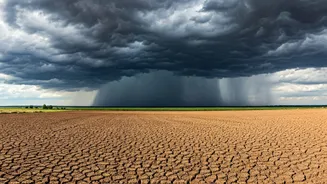
arrive as a continuous, unending deluge. It ebbs and flows, characterized by active periods of heavy rainfall and 'break' periods where the rains subside. These breaks are a natural part of the cycle, offering respite from flooding and allowing sunshine to return. After a particularly wet start to the season in many regions, the prospect of a prolonged break is a welcome one for millions. This year, the conversation has turned to the possibility of a significant lull in rainfall beginning in the second half of July, according to forecasts from the India Meteorological Department (IMD).
A Drier Spell on the Horizon
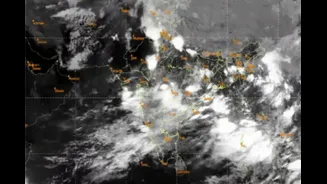
Recent long-range predictions have created a buzz among meteorologists and the public alike. After an active first half of the month, which saw the monsoon advance across large parts of the country, models are indicating a potential shift. The IMD's extended-range forecasts suggest that rainfall could weaken in the latter half of July. While this doesn't signal an early end to the monsoon, it does point towards a period of below-normal rainfall for many parts of India. This shift is partly attributed to the evolution of global weather patterns like the Madden-Julian Oscillation (MJO), which influences tropical weather and can temporarily suppress monsoon activity. For those weary of grey skies and constant downpours, this forecast hints that a spell of pleasant, sunny weather might just be around the corner.
What 'Cloud Breaks' Mean for You
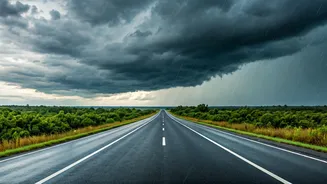
So, what does a 'monsoon break' actually feel like? It’s more than just a pause in the rain. Typically, it involves a significant reduction in cloud cover, leading to longer spells of sunshine. This brings a welcome drop in humidity, making the weather far more comfortable. While daytime temperatures might rise slightly, the overall experience is often described as pleasant. These breaks are crucial for agriculture, allowing farmers to tend to water-logged fields and protecting crops from damage. For city dwellers, it’s a chance to dry out, repair any water damage, and simply enjoy being outdoors without an umbrella. The forecast for the second half of July suggests a transition to this drier phase, although forecasters are cautious, noting that long-range predictions carry less certainty than short-term ones.
The Broader Context of 2026
This year's monsoon has been particularly complex. June saw a significant rainfall deficit across the country, making it one of the driest in recent memory before picking up pace late in the month. This slow start, influenced by broader climate phenomena, was followed by a more active phase as the calendar turned to July. The IMD's outlook for July initially predicted below-normal rainfall for the month as a whole, coupled with higher-than-normal temperatures. This highlights the immense variability of the monsoon system. A 'break' in the latter half of the month would fit within this complex picture, offering a period of stability after a volatile start and providing a welcome interruption before the monsoon likely gathers strength again for its final phase in August and September.