


The Allure of the Golden Spice
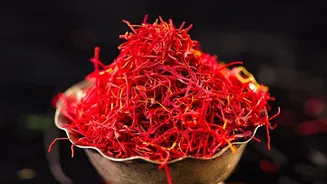
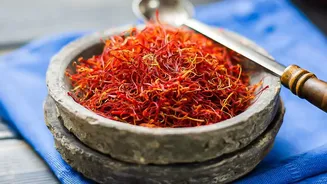
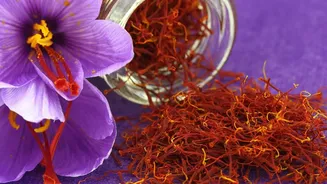
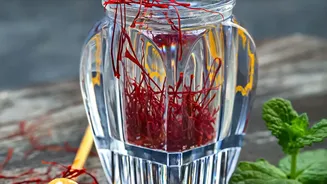
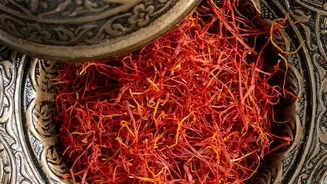
Saffron consists of the delicate, dried stigmas of the Crocus sativus flower. Its value comes from the incredibly laborious harvesting process, where thousands of flowers are hand-picked to produce just a small amount of the spice. In India, saffron is more
than a culinary ingredient; it’s woven into the cultural and spiritual fabric. Its golden hue is considered auspicious, appearing in religious ceremonies, weddings, and festivals to signify purity and prosperity. The primary saffron-growing region in India is Kashmir, where the unique climate is said to produce threads with a deep colour and potent aroma. This historical and cultural weight is why a few strands of saffron can transform a simple dish into something special.
How to Choose Quality Saffron
With its high price, saffron is unfortunately prone to adulteration. Identifying the real deal is key to experiencing its true character. Genuine saffron threads should be a deep, vibrant red, often with a slightly lighter orange tip. They should not look uniformly bright red, which can be a sign of artificial dyeing. A simple home test is to place a few threads in a glass of cool water. Pure saffron will slowly release a golden-yellow colour, while the threads themselves remain red. Fake saffron, on the other hand, might instantly bleed a bright red or orange dye and the threads may lose their colour. The aroma is another important indicator; authentic saffron has a complex, sweet, and earthy scent, often described as being like honey and hay.
The Art of Saffron-Infused Milk
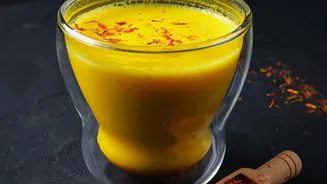
Saffron-infused milk, or 'kesar doodh', is a comforting beverage enjoyed across India for generations, often served warm before bed or during colder months. Its preparation is simple, but a crucial step unlocks the spice's full potential: blooming. To make it, start by gently warming about two tablespoons of milk. Crush 8-10 saffron threads and let them soak in this warm milk for at least 10 to 15 minutes. This step, known as blooming, draws out the saffron's key compounds, responsible for its deep colour, flavour, and aroma. Meanwhile, heat the rest of the milk (about two cups) in a pan over a medium-low flame, adding a pinch of crushed green cardamom for extra warmth. Once the milk is steaming but not boiling, stir in the bloomed saffron mixture and a sweetener of your choice, like sugar or honey. Let it simmer gently for another few minutes until it becomes fragrant and beautifully golden.
A Tradition of Wellness
In Ayurveda, India's traditional system of medicine, kesar doodh is considered a 'rasayana'—a preparation that rejuvenates the body and promotes well-being. Saffron is known for being rich in antioxidants like crocin and safranal. Traditionally, drinking saffron milk is believed to aid digestion, improve skin complexion, and boost mood. Its calming properties have also made it a popular drink to help improve sleep quality. When combined with milk, which provides calcium and protein, it becomes a nourishing drink that soothes both body and mind. However, it is best enjoyed as a comforting beverage rather than a cure-all, and those with health conditions should consult a doctor.
Beyond the Glass: Other Uses in Indian Cooking
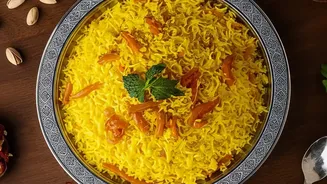
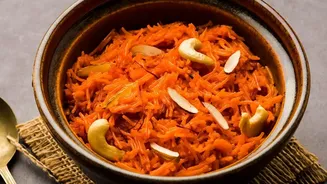
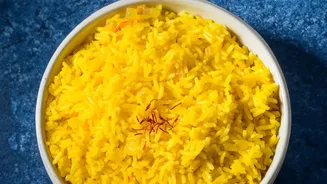
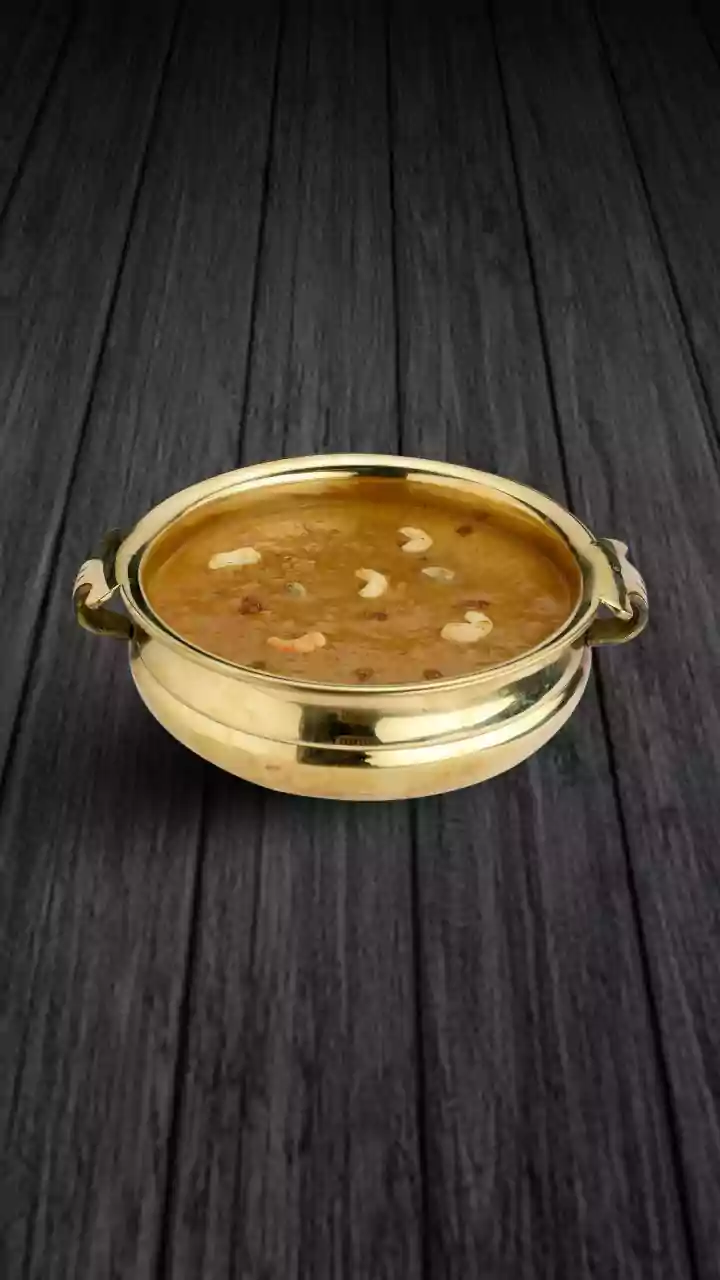
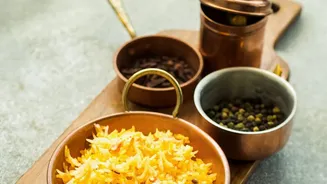
While saffron milk is a perfect introduction, the spice's role in Indian cooking is vast and varied. Its unique aroma and golden colour are essential in many celebratory dishes. It is famously used in rice preparations like Biryani and Pulao, where it is often infused in milk or water and drizzled over the rice to create an aromatic and visually stunning effect. Saffron is also a star in a wide range of Indian sweets and desserts. It lends its luxurious flavour and hue to milk-based puddings like kheer and phirni, creamy frozen desserts like kulfi, and various mithais served during festivals. In every application, the principle is the same: use it sparingly to elevate, not overpower.