







What Exactly Is a Deepfake?
A deepfake is synthetic media, such as a video, image, or audio clip, created using artificial intelligence (AI). The term combines "deep learning" (the type of AI used) and "fake." These systems are trained on large amounts of a person's real images
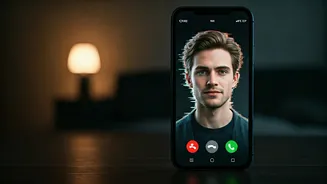
and recordings to learn their facial expressions, voice, and mannerisms. They can then generate new, fabricated content showing that person saying or doing things they never did. This technology is used for everything from creating harmless memes to enabling sophisticated scams, including voice cloning and fake video calls.
A Growing Threat of Deception
Deepfakes are a significant concern because they undermine our ability to trust what we see and hear online. Malicious actors use them for a variety of damaging purposes, including spreading political misinformation, committing financial fraud, and cyberbullying. Scams can range from a fake audio message of a family member in distress asking for money to a deepfake video of a CEO authorizing a fraudulent multi-million dollar transfer. As the technology becomes more accessible and realistic, the risks of identity theft, reputational damage, and financial loss for everyday people are increasing.
How to Spot a Potential Deepfake
While deepfake technology is improving, there are often tell-tale signs of manipulation. In videos, look for unnatural facial movements, poor lip-syncing, or a lack of blinking. You might also notice strange flickering, distorted details around the face, or inconsistent lighting and shadows. For audio deepfakes, listen for a robotic or monotone tone, unnatural speech patterns, or strange background noise. If something just feels "off" about a video or audio message, even if you can't pinpoint why, it's wise to be skeptical.
Proactive Steps to Protect Yourself
The best defense is a proactive one that focuses on good digital hygiene. First, strengthen the privacy settings on your social media accounts to limit the number of photos and videos you share publicly. The less data a scammer has, the harder it is to create a convincing deepfake of you. Be cautious about unexpected or urgent requests for money or personal information, even if they seem to come from a trusted source. It's also a great idea to establish a "safe word" with close family members—a secret word that only you would know, which can be used to verify their identity during a suspicious call or message.
Verify Before You Trust
Always verify unusual requests through a different communication channel. If you receive a suspicious video call from a colleague, hang up and call them back on their known phone number or message them on a trusted company platform. If a loved one sends a frantic message asking for a wire transfer, call them directly to confirm it's really them before taking any action. This simple step of out-of-band verification is one of the most powerful tools against deepfake scams. Remember to think before you click on any links or share content that seems suspicious.
What to Do If You've Been Targeted
If you believe you're the victim of a deepfake scam or have had your likeness used without consent, it's important to act quickly. Document everything by taking screenshots of the content and any related communications. Report the deepfake to the social media platform or website where it's hosted. If you have suffered financial loss or believe a crime has been committed, file a report with your local law enforcement. You should also report the incident to relevant government bodies, such as the Federal Trade Commission (FTC), which tracks fraud and identity theft.