






The Heart of the Matter: Gold for Celebrations
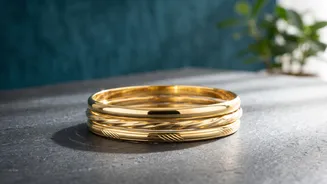
For generations, gold jewellery has been central to Indian life, marking weddings, births, and festivals. When you buy a necklace or a pair of bangles, you are purchasing a piece of wearable art, a family heirloom, and a symbol of prosperity. This gold is typically
22-karat (91.6% pure) or 18-karat (75% pure), mixed with other metals to make it durable enough for intricate designs. The value here is not just in the metal but in the craftsmanship and the emotional significance attached to it. It’s an asset you can see, wear, and enjoy, making it a tangible part of family celebrations and traditions.
The Hidden Costs of Ornamental Gold
The primary reason why jewellery is considered a less efficient investment is due to its associated costs. When you buy an ornament, the final price includes the gold value plus making charges, wastage charges, and GST. Making charges, which cover the labour and skill of the artisan, can range from 8% to over 25% of the gold's value. Wastage can add another 5-10%. Crucially, these charges are non-recoverable when you sell or exchange the piece. The jeweller will only pay you for the net weight of the gold, meaning you can lose a significant portion of the initial purchase price instantly. One study found that gold prices need to rise by 25-30% just for a jewellery buyer to break even.
The Investor's Choice: Gold for Wealth Creation
When the goal is purely financial—to grow wealth, diversify a portfolio, or hedge against inflation—the focus shifts from adornment to efficiency. Investment-grade gold prioritises purity and low costs to ensure your money is working as hard as possible. This form of gold seeks to track the market price of the metal with minimal deductions. Instead of intricate designs, you are buying gold in its most liquid and cost-effective formats, which are designed for easy purchase and sale. These options are not meant to be worn but to be held as a financial asset within your portfolio.
Your Investment-Grade Gold Options
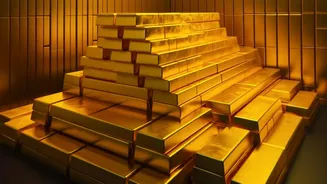
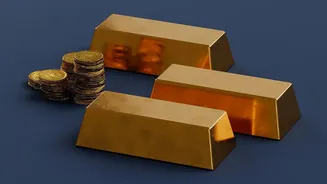
For those focused on investment, several options bypass the heavy costs of jewellery. Gold bars and coins are a straightforward choice, typically made of 24-karat (99.9% pure) gold with very low making charges, often just 1-4%. For a more modern approach, there are paper and digital forms. Gold Exchange Traded Funds (ETFs) are units representing physical gold that are traded on the stock exchange, much like shares. Digital gold allows you to buy and sell 24-karat gold online in small fractions, with the seller storing it securely for you. Sovereign Gold Bonds (SGBs), issued by the RBI, offer interest payments and tax-free gains for original subscribers who hold to maturity, though no new bonds have been issued recently.
So, Which Gold Should You Choose?
The right choice depends entirely on your primary goal. Ask yourself: am I buying this to wear or to grow my wealth? If you are buying for a wedding or a festival, embrace the beauty and tradition of jewellery. Acknowledge that the making charges are the price you pay for craftsmanship and emotional value. Enjoy it as a cultural asset that also happens to be a store of value. However, if your main objective is to invest in gold as an asset class, it is financially wiser to choose a path with lower costs. Opt for gold bars, coins, ETFs, or digital gold. These options ensure that the maximum amount of your money is converted into pure gold, giving you the best possible financial return when prices rise.