





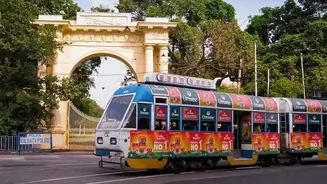

Embrace the Backbone of Indian Travel
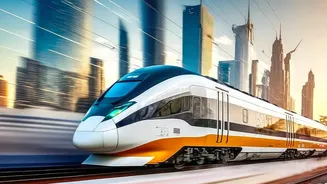
India's extensive public transport network is your first and best tool for budget travel. Trains and buses connect almost every corner of the country at a fraction of the cost of flights or private taxis. For inter-city travel, Indian Railways offers
various classes to suit every budget. Booking a sleeper class for an overnight journey not only saves a significant amount of money but also doubles as a night's accommodation, getting you to your destination by morning. State-run and private buses are also incredibly economical for both short and long distances, offering everything from basic seating to comfortable air-conditioned Volvo services.
Book Smart, Book Early
Spontaneity is great, but when it comes to transport, planning is profitable. Prices for flights and trains in India surge dramatically closer to the date of travel, especially during festive seasons and long weekends. For train travel, booking your ticket as soon as the window opens on the IRCTC platform is crucial, as popular routes fill up fast. For flights, the sweet spot for booking domestic travel is typically three to eight weeks in advance. Use fare comparison websites and set up price alerts for your desired route to get notified of any price drops.
The Power of Carpooling
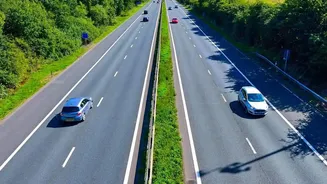
The rise of carpooling apps has created a fantastic middle-ground between expensive taxis and crowded public transport. Platforms like BlaBlaCar, Quick Ride, Rodshare, and ExpressGaadi connect drivers who have empty seats with passengers heading in the same direction. This is an excellent option for popular routes between major cities, such as Mumbai-Pune or Delhi-Jaipur. You get the comfort of a private car at a price that's often comparable to a train or bus ticket, splitting the cost of fuel and tolls with fellow travellers. It's a win-win: drivers save on costs, and passengers get an affordable and often faster ride.
Travel During Off-Peak Hours
When you travel can be just as important as how you travel. If you have some flexibility, avoiding peak travel times can lead to substantial savings. Flights and buses leaving early in the morning or late at night are often cheaper due to lower demand. Similarly, travelling on a weekday like a Tuesday or Wednesday is almost always more affordable than on a Friday or Sunday, which are the most popular days for weekend travellers. Shifting your travel plan by even a single day can sometimes cut your fare significantly.
Choose Your Destination Wisely
One of the most effective ways to control transport costs is to choose a destination that is closer to home. A shorter distance naturally means a lower fare. Many hidden gems are often just a few hours away by road or rail, offering a refreshing break without the expense and time of a long-haul journey. Before finalising your trip, research destinations that are easily accessible via a direct train or a comfortable bus ride. This not only saves money but also reduces travel fatigue, giving you more time to enjoy the place itself.
Don't Forget Last-Mile Connectivity
Your transportation budget doesn't end when you reach your destination's bus station or railway terminal. Factoring in the cost of local transport is crucial for accurate planning. In many tourist spots, local auto-rickshaws or taxis can quickly add up. Research local bus routes or check if ride-hailing apps are available. In many smaller towns or well-planned cities, walking is a viable and enjoyable option. For longer stays, renting a scooter or bike can also be a cost-effective way to explore at your own pace.