



Understanding the Movement
Cat-Cow is not one, but two distinct yoga poses linked together in a flowing sequence: Marjaryasana (Cat Pose) and Bitilasana (Cow Pose). You move dynamically between them, coordinating each transition with your breath. The practice involves moving from
spinal extension (the 'Cow' arch) to spinal flexion (the 'Cat' rounding), gently mobilizing the vertebrae. This rhythmic motion is often used at the beginning of yoga classes to prepare the spine for more complex movements, but it serves as a highly effective standalone practice for relieving stiffness and improving body awareness. The goal isn't to force a deep backbend but to explore your comfortable range of motion with mindful control.
A Step-by-Step Guide to Cat-Cow
To perform Cat-Cow correctly, focus on alignment and breath. Start on a comfortable surface like a yoga mat to cushion your joints. 1. Begin in a tabletop position on your hands and knees. Place your wrists directly under your shoulders and your knees directly under your hips. Your shins and the tops of your feet should rest on the floor. Aim for a neutral, flat back to start. 2. Inhale into Cow Pose: As you breathe in, slowly drop your belly toward the floor. Lift your chest and tailbone toward the ceiling, creating a gentle 'U' shape with your spine. Broaden across your collarbones and lift your gaze slightly forward without craning your neck. 3. Exhale into Cat Pose: As you breathe out, reverse the movement. Press the floor away with your hands and round your spine toward the ceiling. Tuck your tailbone under and draw your navel toward your spine, letting your head hang heavy and your chin fall toward your chest. 4. Flow with Breath: Continue moving smoothly between Cow on the inhales and Cat on the exhales. Let your breath guide the pace; the movement should not be rushed. Aim for five to ten rounds.
The Core Benefits for Body and Mind
The simplicity of Cat-Cow belies its wide-ranging benefits. Physically, it is celebrated for improving spinal flexibility and mobility, which helps counteract the stiffness from prolonged sitting. The gentle stretching can relieve tension and pain in the back, neck, and shoulders. The movement also stimulates the abdominal organs, which can aid digestion. Mentally, the practice of synchronizing movement with breath is a powerful tool for stress relief. It calms the mind, enhances focus, and fosters a stronger mind-body connection. By building awareness of your spinal alignment, the pose can also lead to better posture over time.
Common Mistakes and How to Fix Them
To get the most out of the pose and avoid strain, be mindful of common errors. A frequent mistake is moving too quickly and forgetting to sync the movement with the breath. Slow down and let each inhale and exhale guide you through one full movement. Another common error is initiating the movement from the head instead of the pelvis; the motion should ripple up the spine. Avoid craning your neck too far back in Cow Pose, which can compress the cervical spine. Instead, keep the back of your neck long. Also, be careful not to collapse into your shoulders; actively press the floor away to maintain engagement. Finally, keep a micro-bend in your elbows to avoid locking the joints.
Modifications for Every Body
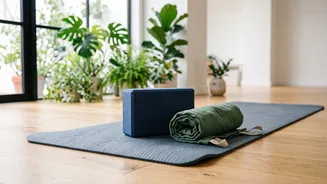
Cat-Cow is highly adaptable. If you have sensitive knees, place a folded blanket or towel underneath them for extra padding. For those with wrist pain, you can come down onto your forearms or make gentle fists with your hands to keep the wrists neutral. The entire sequence can also be performed while sitting in a chair, making it accessible for practice at the office or for those who have difficulty getting on the floor. To do this, sit tall with your feet flat on the floor, place your hands on your knees, and move through the same spinal arching and rounding motions.