





For generations, the Indian plate has been defined by rice and wheat. But in the world of modern fitness, a quiet revolution is taking place as people are swapping their usual rotis and rice for a set of 'new' grains that are actually very old.
What Exactly Are 'Ancient Grains'?
The term
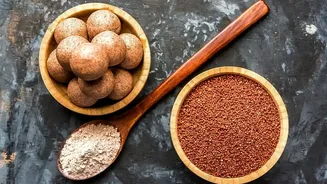
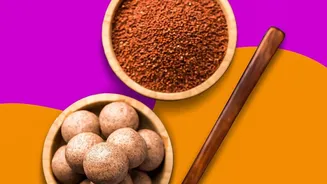
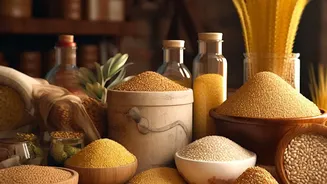
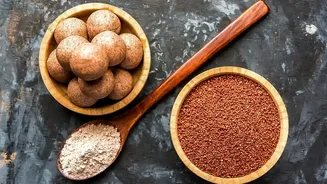
'ancient grains' might sound like a marketing buzzword, but it refers to grains that have remained largely unchanged for centuries. In India, this isn't about exotic imports like quinoa; it's a rediscovery of our own nutritional heritage. We're talking about millets such as Jowar (sorghum), Bajra (pearl millet), and Ragi (finger millet), along with others like amaranth (rajgira) and buckwheat (kuttu). These were staples across the subcontinent for thousands of years before the Green Revolution in the mid-20th century, which prioritized high-yield varieties of wheat and rice, pushing millets to the sidelines. Now, what was once considered 'poor man's food' is being recognized for its superior nutritional profile by a new, health-conscious generation.
The Nutritional Edge for Fitness
The primary reason for this shift lies in the nutritional numbers. Compared to polished white rice and refined wheat flour (maida), ancient grains are nutritional powerhouses. They are generally higher in protein and dietary fibre. For fitness goals, this is a winning combination. The higher protein content aids in muscle repair and growth, while the rich fibre content keeps you feeling full longer, helping with weight management. Furthermore, many of these grains are packed with essential micronutrients. Ragi is famously rich in calcium, crucial for bone health, while bajra is an excellent source of iron. This dense nutrient profile provides the body with quality fuel, not just empty calories.
The Glycemic Index Advantage
One of the most significant factors driving this trend is the Glycemic Index (GI). The GI measures how quickly a food raises blood sugar levels. Refined carbohydrates like white rice and maida have a high GI, causing a rapid spike and subsequent crash in blood sugar and energy. Most millets, on the other hand, have a low to medium GI. They are complex carbohydrates that break down slowly, providing a sustained release of energy. This is ideal for anyone engaged in physical activity, as it prevents the energy slumps that can derail a workout and helps maintain stable energy levels throughout the day. This slow-release energy also reduces cravings and aids in better blood sugar management.
Beyond the Gym: A Return to Roots
This dietary shift is more than just a fitness fad; it's part of a larger cultural movement toward embracing traditional wisdom. There's a growing awareness that these indigenous grains are not only healthier but also better for the environment. Millets are hardy crops that require significantly less water than rice and wheat and can thrive in arid conditions without heavy pesticides. As consumers become more conscious of their food's journey from farm to plate, the sustainability of millets adds to their appeal. This trend represents a return to eating local and seasonal foods that have nourished Indians for millennia, aligning modern health goals with ancestral food practices.
Making the Switch Simple
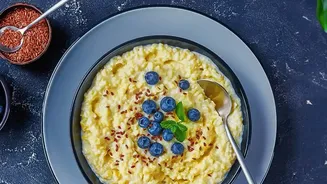
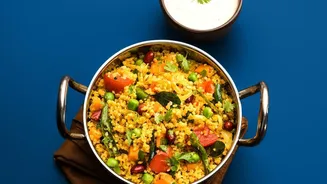
Incorporating ancient grains into your diet doesn't require a complete overhaul of your eating habits. The versatility of these grains makes the transition easy. You can start by swapping one wheat roti for a jowar or bajra roti each day. Ragi flour can be used to make dosas or a nutritious porridge. Many people now cook millets like rice, using them as a base for khichdi or even biryani. Several brands now offer multigrain atta that blends these traditional flours, providing an easy way to boost the nutritional value of your daily chapatis without sacrificing taste or texture.