





The Supreme Court's Landmark Directive
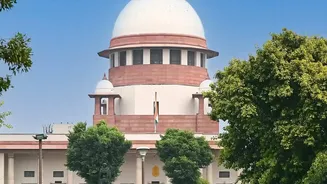
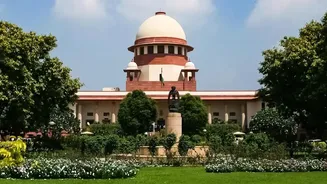
On October 6, 2026, the Supreme Court issued a mandatory directive to Indian Railways: extend travel insurance coverage to all passengers, including those who buy tickets at station counters. The court set a firm deadline of October 27, 2026, for implementation.
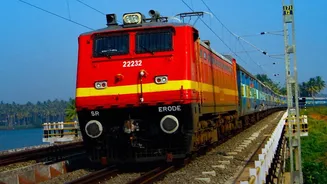
This order originated from a broader case concerning passenger safety that began after the tragic Odisha train accident in June 2023. The judges expressed displeasure with the lack of progress on the issue, noting that they had given authorities sufficient time to create a mechanism for offline ticket insurance but had seen little action. The court stressed that there should be no distinction between passengers based on how they purchase their tickets.
How the System Worked Before
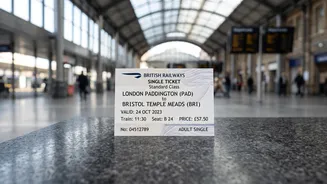
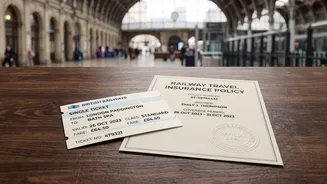
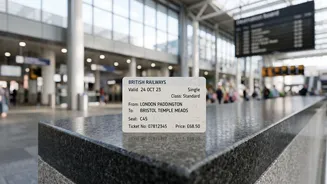
Until now, travel insurance has been an optional add-on primarily available to passengers booking their tickets online through the IRCTC website or app. For a nominal fee of just 45 paise, online users could opt-in for coverage that includes financial support in case of accidental death, disability, and hospitalisation expenses arising from train accidents. This created a significant gap, as millions of passengers who rely on physical ticket counters—often those from lower-income groups or in areas with limited internet access—had no access to this facility. The Supreme Court specifically highlighted this disparity, noting that the people most in need of a financial safety net were the ones being left out.
The Railway Board's Heavy Responsibility
The Supreme Court has placed the responsibility for implementing this order squarely on the shoulders of the Railway Board. The court explicitly warned that the Board would be held directly responsible for any failure to comply by the October 27 deadline. The Railway Board is the apex body of Indian Railways, responsible for the day-to-day operations and administration of the national rail network. Its role is to translate policy and judicial directives into actionable ground-level changes. This includes everything from technical updates to ticketing systems to formulating the rules and procedures that govern new services. The court's stern warning reflects its frustration with previous delays and puts immense pressure on the board to act decisively.
Hurdles in the Path of Implementation
While the directive is clear, implementation presents several logistical challenges for the Railway Board. First, a mechanism must be created to seamlessly integrate the insurance process into the offline ticketing system, which serves a vast number of passengers daily. Questions remain about how the nominal premium will be collected at crowded counters and how passenger details will be recorded for the insurance policy. Furthermore, the Railways will need to finalise the terms with insurance providers for this massive expansion of coverage. The process for issuing insurance certificates and handling claims for counter-booked tickets needs to be clearly defined and communicated to both staff and passengers. The court's firm deadline means these complex operational details must be resolved at an accelerated pace.
What This Means for Passengers
For the average train traveller, this order promises a more equitable and secure journey. Starting October 27, any ticket purchased—whether online or at a counter—is supposed to be covered by insurance. This removes the 'digital divide' and ensures that a crucial safety net is available to all. The insurance provides financial protection up to ₹10 lakh for death or permanent total disability, along with coverage for injuries and hospitalisation. While the court has mandated the change, passengers should keep an eye on official announcements from Indian Railways for the final details on how the premium will be handled for counter tickets. This ruling reinforces that passenger safety is a fundamental right, not an optional extra.