



A Tipping Point in the Showroom
The latest sales data from August 2026 reveals a historic shift in the Indian passenger vehicle market. While overall car registrations grew by a robust 16% year-on-year, the composition of those sales tells a new story. For the first time, the combined
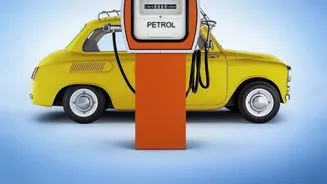
market share of alternative fuel vehicles—Compressed Natural Gas (CNG), Electric Vehicles (EVs), and hybrids—climbed to nearly 42%. In contrast, the share of traditional petrol cars fell to a record low of about 41%, down from over 46% just a year prior. This isn't a case of petrol sales falling off a cliff, but rather that the remarkable growth in the market is being captured almost entirely by other fuel types. CNG has emerged as the biggest winner, now accounting for a massive 25% of all new cars sold.
The Dominance of Running Costs
The single biggest driver behind this migration is simple economics: the total cost of ownership (TCO). Persistently high petrol prices, influenced by global crude oil trends and domestic taxes, have forced buyers to look beyond the initial showroom price. When calculating expenses over a five-to-seven-year ownership period, the math increasingly favours alternatives. The running cost of a CNG vehicle can be significantly lower than its petrol counterpart. For urban users with access to home charging, the per-kilometre cost of an EV can drop to just ₹1-1.5, compared to ₹6-8 for a petrol car. This economic reality has transformed the car-buying decision from a one-time purchase into a long-term financial calculation, where fuel expenditure is a primary variable.
The Unintended Push from E20 Fuel
A secondary, yet significant, factor accelerating this shift is consumer anxiety surrounding E20 petrol. The government’s mandate to blend 20% ethanol into standard petrol is designed to reduce India’s oil import bill. However, it has created hesitation among buyers. There are widespread concerns, particularly from owners of cars manufactured before April 2023, about potential impacts on engine components and a noticeable drop in mileage. India's own Automotive Research Association (ARAI) confirmed that E20 fuel can reduce fuel efficiency by 2-6% due to ethanol's lower energy density. This uncertainty has inadvertently made alternatives like CNG and hybrids, which are unaffected by this change, seem like a safer, more predictable bet for many.
A Widening Buffet of Choices
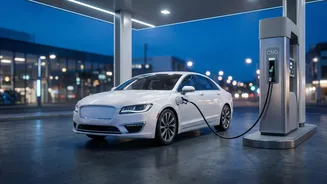
This consumer shift wouldn't be possible without manufacturers stepping up. The market is no longer a simple choice between petrol and diesel. Automakers have significantly expanded their portfolios of CNG, hybrid, and electric models. CNG remains the most accessible and popular alternative, with manufacturers like Maruti Suzuki ramping up production to meet the soaring demand. Strong hybrids have carved out a niche as a practical middle ground, offering 30-40% better fuel efficiency than petrol without the 'range anxiety' associated with EVs. Meanwhile, the EV ecosystem continues to mature. While still dependent on charging infrastructure, EVs are becoming a viable option for city-based buyers, with more models available across different price points than ever before.
The Gentle Nudge from Government Policy
Government policy has created a favourable environment for this transition. While direct cash subsidies for private electric cars at the central level have ended, the policy framework provides a strong tailwind. The most significant incentive is the GST differential: EVs attract just 5% GST, compared to rates as high as 40% for some petrol and diesel vehicles. Furthermore, various state governments offer their own sweeteners, such as waivers on road tax and registration fees. Looking ahead, upcoming Corporate Average Fuel Economy (CAFE) III norms, effective from April 2027, will penalise manufacturers for high fleet-wide emissions. This gives them a powerful incentive to produce and sell more fuel-efficient models, including CNG, hybrids, and EVs, to balance their portfolio.