







The Unsung Hero on Your Plate
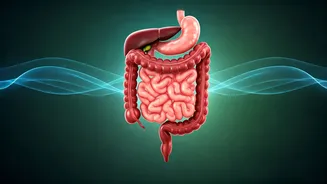
We often hear about proteins, carbs, and fats, but fibre is a crucial player that deserves the spotlight, especially when it comes to weight management. So, what is it? Dietary fibre is a type of carbohydrate that your body cannot digest or absorb. Instead
of being broken down for energy, it passes relatively intact through your stomach, small intestine, and colon. While it might sound unimportant because we don't 'use' it for fuel, its journey through our digestive system is precisely what makes it so powerful. It’s not just about keeping you regular; it’s a master of satiety—the feeling of being full and satisfied.
The Science of Feeling Full
The magic of fibre lies in its ability to control your appetite naturally. This isn’t a psychological trick; it's pure biology. When you eat fibre-rich foods, they do a few key things. First, they require more chewing, which slows down your eating and gives your brain more time to register that you're full. Second, certain types of fibre absorb water and swell up in your stomach, forming a gel-like substance. This physically takes up space, increasing the volume of your meal without adding extra calories. This bulk slows down the emptying of your stomach, meaning you feel fuller for much longer after a meal. This sustained feeling of fullness helps prevent mindless snacking and reduces the urge to overeat at your next meal, leading to a natural decrease in overall calorie consumption.
Not All Fibre Is the Same
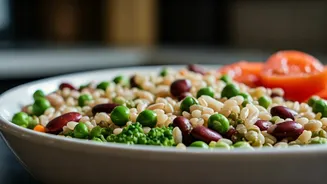
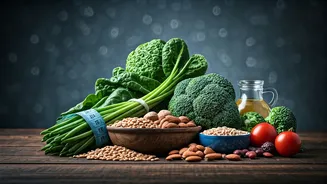
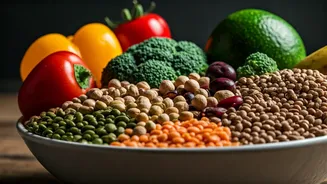
To truly harness fibre’s benefits, it helps to know that there are two main types, and both are important. **Soluble Fibre:** This is the type that dissolves in water to form that viscous gel. It's the superstar for fullness and weight management. It also helps lower blood cholesterol and glucose levels, preventing the sharp blood sugar spikes and crashes that can trigger cravings. Great sources include oats, barley, dals (lentils), beans (rajma, chana), apples, citrus fruits, and sabja (basil) seeds. **Insoluble Fibre:** This type does not dissolve in water. Its main role is to add bulk to stool and promote the movement of material through your digestive system. It’s essential for preventing constipation and maintaining a healthy gut. You can find it in whole-wheat atta, millets like jowar and bajra, brown rice, nuts, and vegetables like cauliflower, green beans, and leafy greens.
Easy Upgrades for Every Meal
Incorporating more fibre doesn’t require a complete diet overhaul. It’s all about making smart, simple swaps. Think of it as upgrading your current meals for better health outcomes. Start your day with a bowl of oatmeal or millet porridge instead of a processed breakfast cereal. For lunch and dinner, ensure at least half your plate is filled with vegetables. Choose whole-wheat roti over naan or white bread. Instead of reaching for a packet of chips, snack on a handful of roasted chana, an apple, or a guava. When you cook dals or curries, leave the skins on vegetables like carrots and cucumbers (after washing them thoroughly) to retain their fibrous content. Even something as simple as choosing whole fruits over fruit juice makes a huge difference, as juices are stripped of their beneficial fibre.
Go Slow and Stay Hydrated
Before you rush to add a mountain of beans and greens to every meal, a word of caution is necessary. If your body isn't used to a high-fibre diet, increasing your intake too quickly can lead to uncomfortable side effects like gas, bloating, and cramping. The key is to make changes gradually. Add one high-fibre food to your day for a week before adding another. Most importantly, you must drink plenty of water. Fibre works by absorbing water, so if you don't increase your fluid intake along with your fibre, you can actually make digestive issues worse. Aim for at least 8-10 glasses of water a day to help the fibre do its job smoothly and effectively.