


Mastering Monsoon Drainage
The single biggest threat to potted herbs during the rainy season is waterlogging. When soil stays soggy, roots can't get oxygen, leading to root rot, a condition that can quickly prove fatal. The first step is to ensure every pot has clear drainage holes.
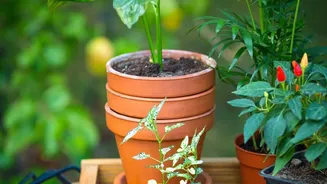
Before the heavy rains begin, tip your pots and poke the holes to clear any compacted soil or old roots. A game-changing habit is to elevate your pots. Placing them on pot stands, bricks, or even simple bottle caps allows excess water to drain freely and prevents the base from sitting in a puddle. During periods of continuous downpour, always empty the saucers or trays beneath your pots.
Adjust Your Watering Schedule
During the monsoon, nature does most of the watering for you. It's crucial to break the habit of a fixed watering schedule. The golden rule is to check the soil first. Stick your finger about an inch or two into the soil; if it feels damp, do not water. Overwatering is the most common mistake and the leading cause of plant failure in the rainy season. For plants that are directly exposed to rain, you may not need to water them manually at all for days or even a week. Your focus should shift from watering to ensuring proper drainage.
Caring For Delicate Basil
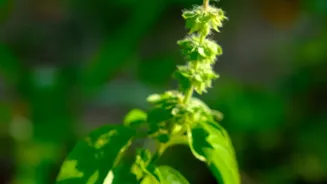
Basil loves warmth but hates having its roots constantly wet, making it susceptible to fungal infections and root rot during the monsoon. If possible, move your basil pot to a spot where it is sheltered from direct, heavy downpours, like under an eave or a small awning. It still needs bright, indirect light for at least 4-5 hours a day. Good air circulation is also key, so avoid crowding it with other plants. Prune your basil regularly by pinching off the top sets of leaves to encourage bushier growth and prevent it from flowering, which can make the stems woody.
Managing Mighty Mint
Mint, or pudina, is famously robust and loves moisture, but even it has its limits. While it thrives in the monsoon humidity, waterlogged soil can still cause problems. The main challenge with mint is its
Tips for Hardy Lemongrass
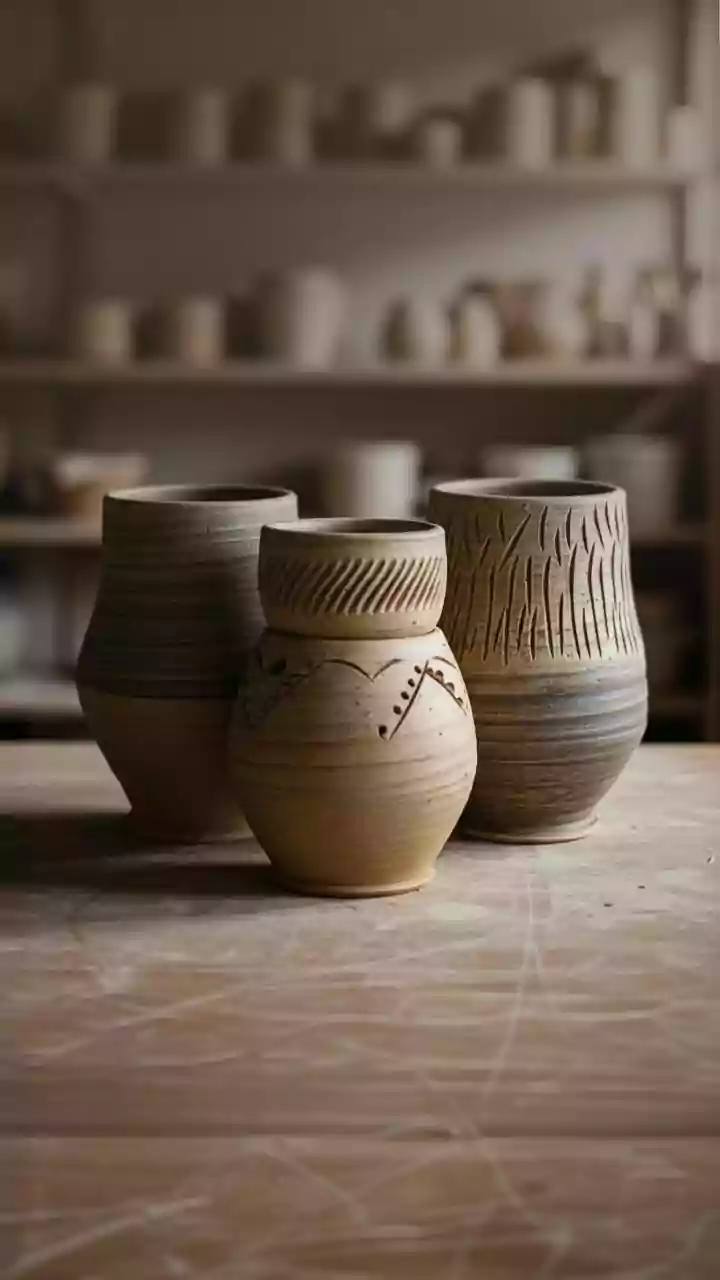
Lemongrass is a tough, sun-loving tropical grass that generally handles the monsoon well. It appreciates the consistent moisture but still requires well-drained soil to prevent its roots from sitting in water. When growing lemongrass in a pot, choose a large, deep container (at least 5 gallons) to accommodate its root system and prevent it from tipping over. Terracotta pots can be a good choice as they are porous and help absorb excess moisture. While lemongrass loves sun, the reduced light during overcast monsoon days is usually sufficient. Continue to harvest the stalks once they are about half an inch thick at the base to encourage new growth.
Dealing with Pests and Pruning
The high humidity of the monsoon creates a breeding ground for pests and fungal diseases. Regularly inspect the leaves and stems of your herbs for common issues like aphids, mealybugs, or powdery mildew. Spacing your pots out to improve air circulation can significantly reduce these risks. A preventative spray of organic neem oil solution every couple of weeks can be very effective. Strategic pruning before the heaviest rains is also a good practice. Removing any yellowing, dead, or diseased leaves improves airflow and directs the plant's energy toward healthy new growth.