



From Runway to Room
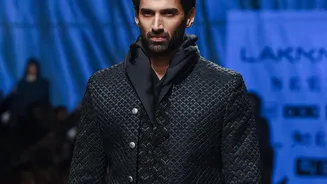
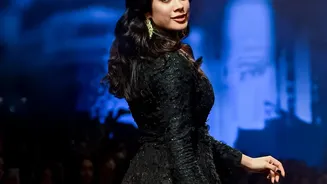
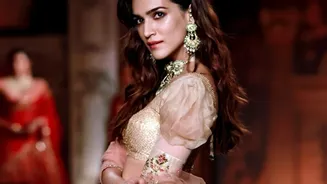
For decades, the language of fashion was spoken on the runway—a linear, fast-paced monologue. But a new wave of Indian designers is choosing dialogue over monologue. They are crafting multi-room, multi-sensory exhibitions where visitors can engage with
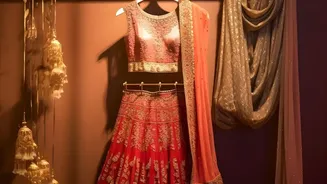
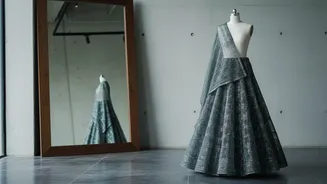
garments at their own pace. Instead of a seven-second glimpse of a model walking by, guests can now linger over a single seam, appreciate the texture of a fabric, and understand the narrative woven into a collection. At the recent India Couture Week 2026, couturier Tarun Tahiliani swapped the traditional catwalk for a multi-room immersive exhibition at Bikaner House, allowing attendees to explore the nuances of his house's craft and design vocabulary in a more intimate setting. This shift transforms clothing from a mere commodity into the centerpiece of a cultural conversation, experienced through scenography, sound, and digital storytelling.
A Narrative Beyond the Garment
Immersive presentations allow designers to communicate their core philosophy in a way a traditional show cannot. It’s no longer just about the finished product, but the entire ecosystem of ideas that brought it to life. These experiences are about storytelling. For instance, Anamika Khanna's recent show for India Couture Week was set in a 130-year-old Nizam-era palace in Hyderabad, a significant move for a platform historically anchored in Delhi. The collection was presented as a poetic reimagining of a lost civilisation, with each piece contributing to a larger narrative about memory and identity. This approach gives designers the space to articulate complex themes—whether historical, social, or artistic—and allows the audience to connect with the brand on a much deeper, more intellectual level. The focus moves from 'what to wear' to 'why it was created'.
Technology as a Storytelling Tool
This trend is powered by a seamless integration of technology, not for its own sake, but to enhance the human element of craftsmanship. Designers are using tools like projection mapping, interactive digital environments, and curated soundscapes to build their worlds. The goal is to use 'quiet tech' to elevate the experience, not overshadow the clothes. This was evident even in the digital showcases that became prevalent a few years ago, where designers like Tarun Tahiliani used 'stream of consciousness' videos and clever camera angles to give viewers a closer look at details than a physical show ever could. This digital-physical hybrid approach has proven effective, as audiences increasingly want to feel and experience fashion, not just watch it from a distance. These tech-infused presentations create shareable, memorable moments that resonate long after the event is over.
Fashion as an Experience Hub
This evolution reflects a broader trend in luxury, where brands are transforming into 'Experience Hubs'. The modern luxury consumer, particularly in India, is sophisticated and exposed to global trends. They seek more than just a product; they want to be part of a brand's world. Retail spaces are also following suit, designed as theatrical environments that offer sensory encounters. By creating these immersive exhibitions, Indian designers are not just selling clothes, they are cultivating a community and offering a deeper connection to their brand's ethos. It's a strategic move to prioritize deep consumer connection over fleeting runway impressions, fostering a sense of belonging that is crucial in today's crowded market.