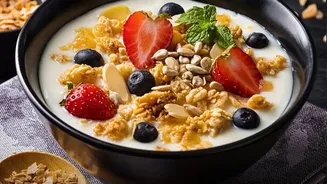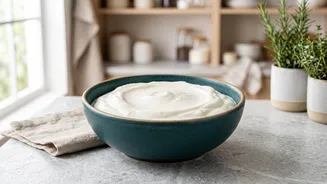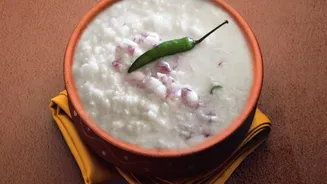


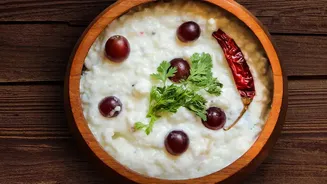
As winter's chill sets in, an age-old debate resumes in many Indian households: is it safe to eat curd? This article unpacks the myths and facts, offering a clear guide on enjoying dahi's benefits even during the colder months.
The Great Winter Curd Debate
The belief that one should
avoid curd, or dahi, during winter is a common piece of household advice passed down through generations. The primary concern is that its 'cooling' nature can lead to colds, coughs, and increased mucus production. This idea is deeply rooted in traditional wisdom, particularly Ayurvedic principles, which caution against certain foods that may aggravate the 'Kapha' dosha (associated with cold and mucus) during the cold and damp season. As a result, many families diligently remove this staple from their winter menus, fearing it might compromise their immunity when they need it most.
A Nutritional Powerhouse Year-Round
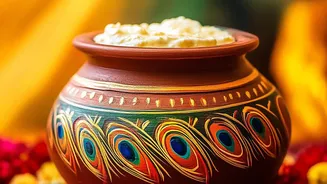
From a modern nutritional standpoint, curd is a superfood that offers significant health benefits regardless of the season. It is packed with essential nutrients, including high-quality protein for muscle repair, calcium and phosphorus for strong bones and teeth, and vital B vitamins like B12. More importantly, curd is a premier source of probiotics—the 'good' bacteria that are crucial for maintaining a healthy gut microbiome. A healthy gut is the cornerstone of a strong immune system, improved digestion, and overall well-being. These benefits don't diminish just because the temperature drops.
Myth vs. Fact: Does Curd Cause Colds?
Scientifically, the idea that eating curd causes a cold is a myth. Colds and flu are caused by viruses, not by the temperature or an inherent property of a food. There is no clinical evidence to suggest that curd contains or promotes the viruses responsible for respiratory illnesses. In fact, research indicates that the probiotics in fermented dairy products like curd may actually help boost the immune system, potentially reducing the risk and duration of respiratory infections. While some individuals who are sensitive to cold foods might feel a temporary thickening of saliva or mucus, this is a sensory perception and not an increase in mucus production or a sign of infection.
The Ayurvedic Perspective Re_examined
Interestingly, some interpretations of Ayurveda suggest that curd is 'ushna' or heating in nature, meaning it can be beneficial in winter. The traditional apprehension often relates more to how and when it's consumed. Ayurveda typically advises against eating curd at night, when the digestive fire ('agni') is weaker, as it can be heavy to digest and increase Kapha. It also warns against consuming it straight from the refrigerator. For those prone to respiratory issues like asthma or sinus problems, caution is advised, as it may exacerbate symptoms for these individuals. The advice is not a blanket ban but a call for mindful consumption based on one's body type and current health.
You don't need to give up your favourite dahi this winter. By following a few simple guidelines, you can continue to enjoy its benefits safely. The most important rule is to avoid consuming it cold. Always allow curd to come to room temperature before eating it. The best time to have it is during the day, preferably with lunch, when your digestion is at its peak. Avoid having it late in the evening or at night. To further enhance its properties for winter, consider mixing in warming spices like roasted cumin powder, black pepper, or a pinch of ginger. These spices not only aid digestion but also help balance the 'cooling' effect associated with chilled dairy.