




Recent adjustments to India's import policies have sent ripples through its massive textile industry. This has forced two of its biggest hubs, the cotton-focused Tiruppur and the synthetics-dominant Surat, to rethink their strategies. Here’s how they
adapt.
A Tale of Two Policies
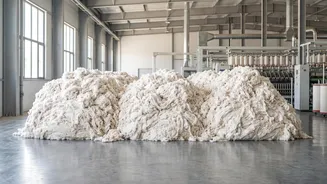
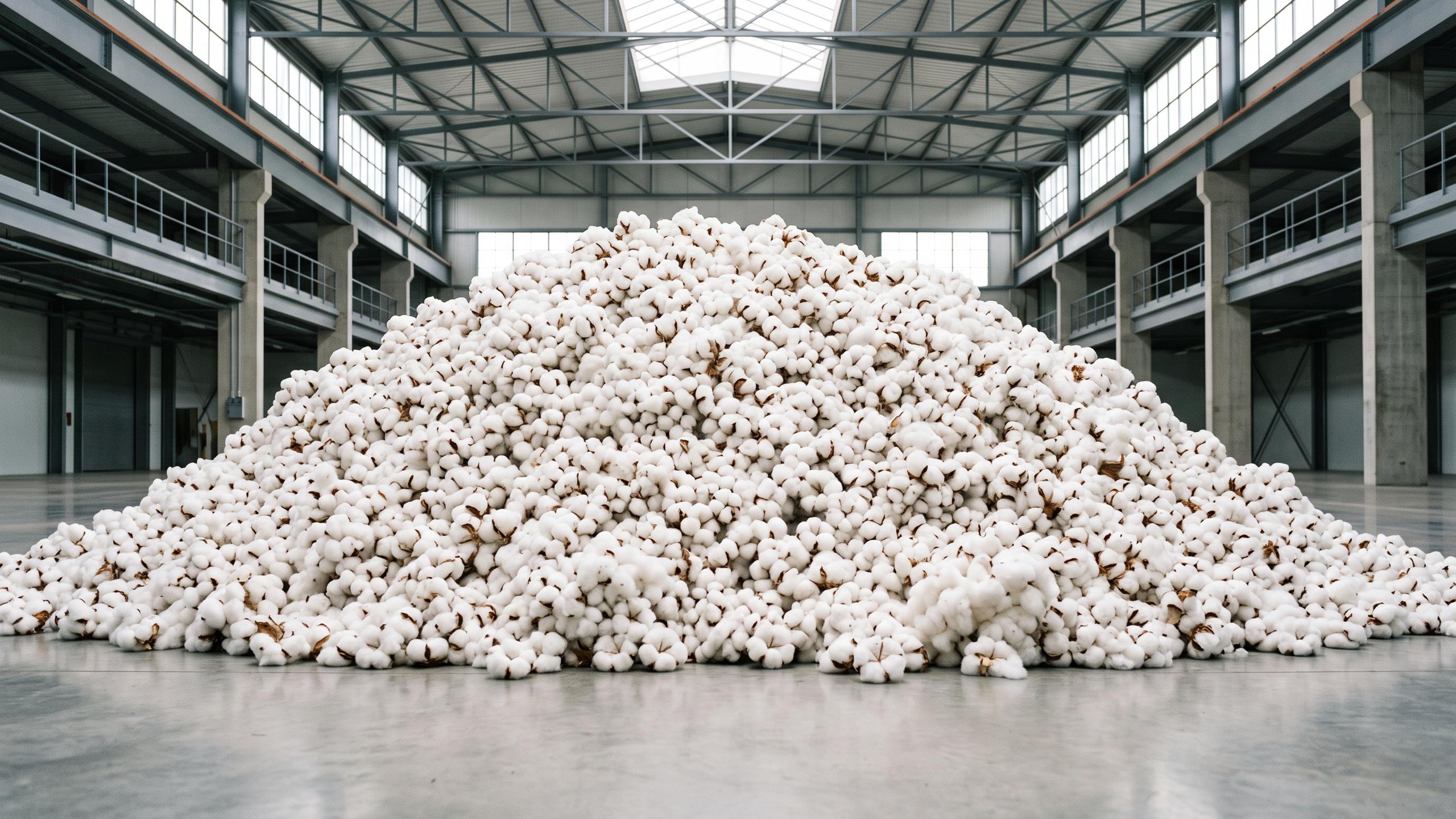
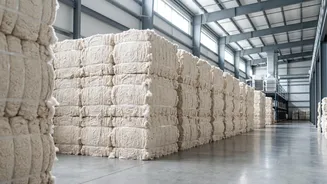
The past year has seen significant shifts in India's textile import rules, creating different realities for different players. For cotton-based manufacturers, a major development was the government's decision to waive the 11% import duty on raw cotton from June to October 2026 to ease a domestic supply crunch and stabilise prices. As of late October, the industry expects an extension of this duty-free window until December, as a poor monsoon is projected to reduce domestic cotton output by 12-18%. In contrast, for the man-made fibre (MMF) sector, the key move was a refusal to impose anti-dumping duties on imported Nylon, Viscose, and Spandex yarns in June 2026. This decision was a major relief for weavers who depend on these materials, ensuring their availability at competitive international prices. These two distinct policy actions highlight the complex balancing act required to manage a diverse national industry.
Tiruppur: Relief and Resilience in Cotton Country
In Tiruppur, India's knitwear capital which accounts for 90% of the nation's cotton knitwear exports, the waiver of the cotton import duty was met with widespread relief. The Tiruppur Exporters' Association (TEA) immediately welcomed the move, stating it would reduce production costs for its thousands of predominantly small and medium-sized enterprises (SMEs). These businesses have been grappling with high raw material prices that have made it difficult to compete with nations like Bangladesh and Vietnam. Access to duty-free imported cotton, especially premium varieties required by international buyers, is seen as crucial for survival and growth. However, this policy relief comes after a challenging period. US tariffs had previously caused disruptions, with some buyers pausing orders and manufacturers halting production. While the industry has proven resilient, it continues to face pressures from rising labour costs, the need for skill upgrades, and intense global competition.
Surat: A Boost for the Man-Made Metropolis
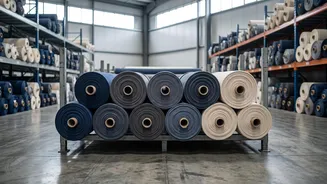
Surat, the country's undisputed hub for MMF textiles, is a different ecosystem altogether. Its industry, which produces millions of metres of polyester, nylon, and viscose fabrics daily, thrives on volume and speed. The government's decision in June 2026 not to impose recommended anti-dumping duties on key synthetic yarns was a significant victory for the city's manufacturers. The Southern Gujarat Chamber of Commerce and Industry (SGCCI) had argued forcefully that such duties would have increased raw material costs, hurt competitiveness, and threatened jobs in the labour-intensive sector. The decision was seen as a way to ensure stability and keep input costs under control, allowing Surat to maintain its edge in producing affordable and fast-fashion fabrics for both domestic and export markets. However, Surat's industry is not without its own challenges. Manufacturers have recently raised concerns about sharp increases in yarn prices despite the absence of duties, as well as pending GST refunds that squeeze working capital.
Diverging Strategies for a Shared Future
The reactions in Tiruppur and Surat underscore their unique industrial structures and dependencies. Tiruppur's export-oriented, cotton-reliant model makes it highly sensitive to global cotton prices and international trade tariffs. Its adaptation strategy hinges on securing raw material at competitive prices and leveraging Free Trade Agreements to gain better market access. There is also a growing push within Tiruppur to diversify into MMF garments to align with global trends where synthetics hold a 70% market share. Surat's adaptation is focused on a different front. As a hub that primarily serves the domestic market with affordable synthetics, its main battle is against input cost inflation and policy bottlenecks like GST issues. Its strategy involves lobbying for a stable tax environment and investing in technology like highspeed weaving and digital printing to improve efficiency and cater to evolving fashion trends. While one city looks outward for tariff relief, the other looks inward for fiscal and operational stability.