


Why Bother with Composting?
Composting at home is a powerful step towards a more sustainable lifestyle. It dramatically reduces the amount of waste sent to landfills, where organic matter decomposes without oxygen and releases methane, a potent greenhouse gas. Instead of contributing
to this problem, you create a free, nutrient-dense soil amendment that is far superior to synthetic fertilisers. This homemade compost enriches the soil, helps it retain moisture (meaning you water less), and boosts plant health, making them more resilient to pests and diseases without needing chemical sprays.
Choose Your Balcony-Friendly Method
You don't need a large garden to compost. Several compact methods work perfectly on a balcony. The simplest is a basic bin system, using a large plastic container (around 75 litres) with holes drilled for aeration. For something more advanced, a compost tumbler is a sealed, rotating drum that speeds up the process and keeps pests out. Another popular choice is vermicomposting, or a worm bin, where worms do the heavy lifting to break down scraps into rich castings. For those with very little space, Bokashi is an indoor method that uses a special bran to ferment kitchen waste in an airtight bucket before it's buried in soil.
The Simple Recipe for Great Compost
Successful composting is like following a recipe. You need a good balance of 'Greens' and 'Browns'. 'Greens' are nitrogen-rich materials, which are typically moist. This includes all your raw fruit and vegetable scraps, coffee grounds, tea bags (ensure they're plastic-free), and fresh plant trimmings. 'Browns' are carbon-rich materials, which are usually dry. Think shredded cardboard, newspaper, dried leaves, and crushed eggshells. A good rule of thumb is to aim for roughly one part 'Greens' to two or three parts 'Browns'. This ratio ensures the compost pile has the right food and air balance to decompose efficiently without becoming smelly.
What to Add and What to Avoid
You can compost most of your kitchen scraps. Vegetable peels, fruit cores, coffee grounds, crushed eggshells, and stale bread are all excellent additions. However, certain items should be left out of a small home compost bin as they can attract pests and create foul odours. Avoid adding meat, fish, bones, dairy products, and oily or greasy foods. Also, steer clear of diseased plants, as the pathogens might survive the composting process and spread to your new vegetables. Pet waste is another definite no-go for compost that will be used on edible plants.
From Compost to Container Garden
Your compost is ready when it looks and smells like rich, dark soil—often called 'black gold'. To use it for your balcony garden, you can't just plant directly into pure compost. Create a nutrient-rich potting mix by blending your homemade compost with other elements. A reliable formula is to mix about 40% compost with 40% garden soil and 20% cocopeat or coarse sand to ensure good drainage and aeration. This balanced mix provides the perfect environment for your vegetable roots to thrive in pots. When starting new plants, add a generous scoop of this mix, and you can also use finished compost as a top dressing for existing plants every few weeks to give them a nutrient boost.
Easy Vegetables to Grow in Balcony Pots
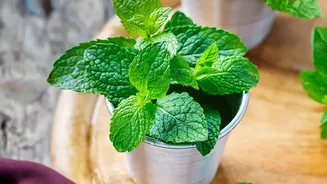
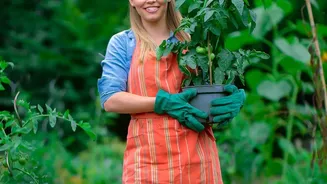
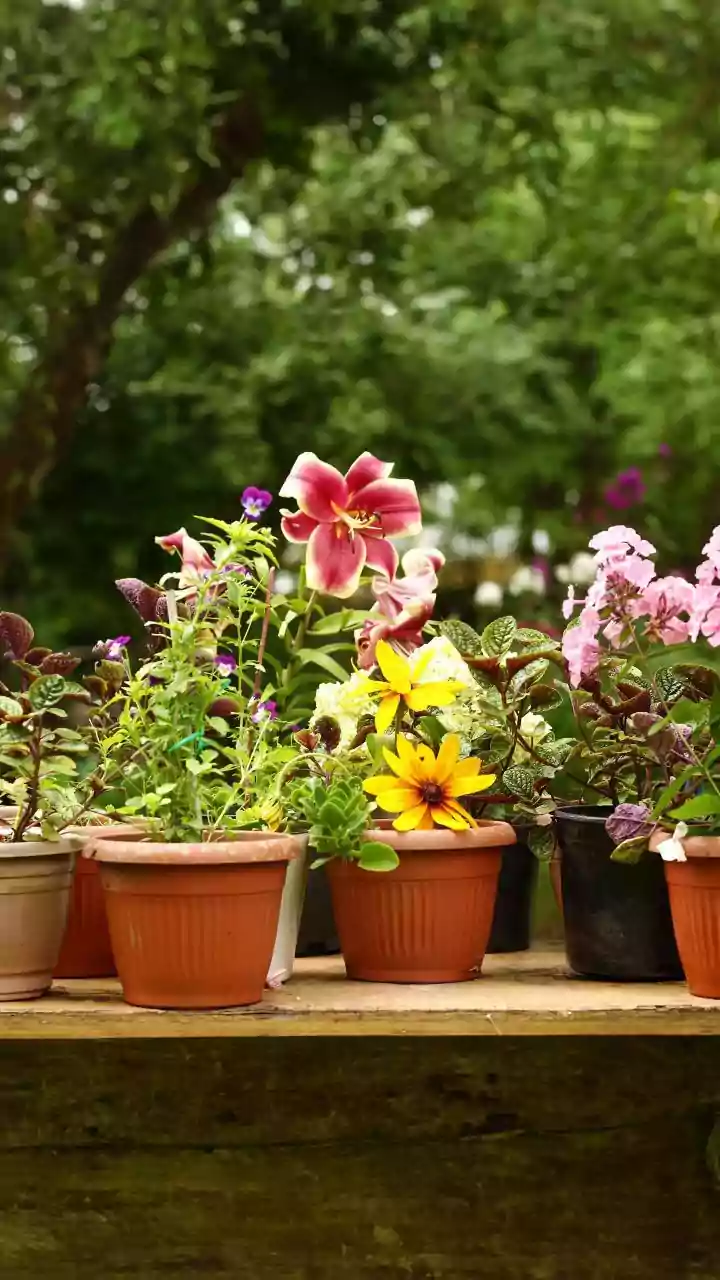
With your fresh potting mix ready, it's time to plant. Many vegetables thrive in containers, especially on Indian balconies. For beginners, start with easy and high-yield options. Herbs like mint, coriander, and basil are fantastic choices. Fruiting vegetables like cherry tomatoes and green chillies are very productive in sunny spots. Leafy greens such as spinach and lettuce grow quickly and can tolerate partial shade. Radishes are another great option, as they can be ready to harvest in less than a month. Always ensure your pots have good drainage holes and are large enough to support the plant's root system.