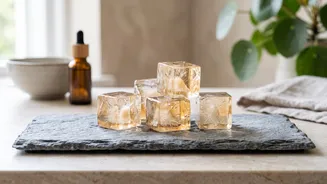




The internet is buzzing with a new DIY beauty hack: retinol ice cubes. Promising spotless, glowing skin, this trend combines the power of a potent anti-ageing ingredient with the soothing effects of cold therapy. But is it safe or effective?
The Viral Promise: What Are Retinol Ice Cubes?
Social media
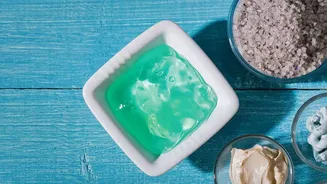
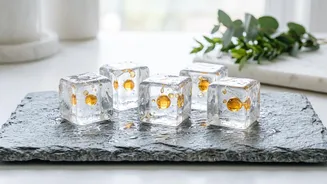
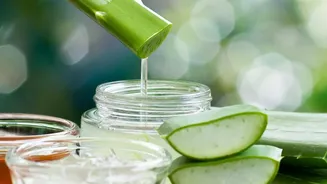
feeds are filled with tutorials for creating 'retinol ice cubes'. The recipes vary, but they generally involve mixing easily available ingredients like cucumber juice, aloe vera, and potato juice, which are claimed to be natural sources of Vitamin A, and then freezing the mixture. The promise is alluring: daily application will supposedly reduce fine lines, clear blemishes, and give you a radiant glow, combining the benefits of cryotherapy (ice application) with the anti-ageing prowess of retinol. The appeal is understandable. It's a cost-effective, seemingly natural alternative to expensive skincare products. The idea of a cooling, de-puffing treatment that also fights wrinkles sounds like the ultimate skincare multitasker.
The Truth About Ice: A Temporary Fix
Let’s separate the 'ice' from the 'retinol'. Applying ice to the skin, a practice known as facial icing or cryotherapy, does have some temporary benefits. The cold temperature constricts blood vessels, which can help reduce puffiness and inflammation, especially under the eyes. This can give the skin a temporarily tightened and refreshed appearance, making pores seem smaller and reducing redness. Many people use ice or chilled tools to soothe acne, calm irritation, and achieve an instant, short-lived glow. So, the cooling part of this trend isn't entirely without merit, but these effects are fleeting.
The Myth: 'Natural Retinol' in Your Freezer
Here's where the DIY trend falters. True retinol is a specific, lab-synthesised derivative of Vitamin A. While some vegetables contain Vitamin A precursors like beta-carotene, they do not contain retinol itself. Your skin cannot convert these compounds into retinoic acid (the form the skin uses) as efficiently as it can from a properly formulated retinol product. More importantly, retinol is a notoriously unstable molecule. It degrades quickly when exposed to air, light, and temperature fluctuations. Commercial retinol products are created in controlled lab environments using stabilising ingredients, specific pH levels, and protective packaging to ensure the retinol remains potent and effective from the factory to your face.
The Reality: Freezing Can Ruin Skincare
Contrary to what the trend suggests, freezing is not a friend to most complex skincare formulations. Extreme cold can destabilise a product's formula, causing ingredients to separate or change texture. While some sources say chilling can prolong the life of certain products like Vitamin C or even unopened retinoids, freezing is a different story. Freezing can disrupt the delicate emulsion of a serum or cream, potentially making the active ingredients less effective or, worse, unevenly distributed. This means that one part of your DIY ice cube might have a high concentration of an irritating substance, while another has none. With a potent ingredient like retinol, this kind of unpredictability is a recipe for disaster.
The Dangers of DIY Retinol Mixtures
Even if you were to add a few drops of an actual retinol serum to your ice cube mix, you'd be creating a host of new problems. First, you are diluting the carefully formulated product, altering its pH and destabilising the retinol. Second, many DIY recipes include ingredients like lemon juice, which is highly acidic and can cause irritation and increase sun sensitivity. Combining this with retinol—an ingredient that already makes your skin more photosensitive—is particularly risky and can lead to burns or longterm damage. Dermatologists warn against mixing retinol with exfoliating acids (like citric acid in lemon juice) as it can lead to overexfoliation, dryness, and a compromised skin barrier.
The Safer,' Smarter Approach to Skin Health
The 'gold standard'' reputation of retinol comes from decades of research on professionally formulated products. These products deliver retinol at a known concentration in a stable base that is proven to work. If you want the benefits of retinol,' the best course of action is to use a product from a reputable brand. Start with a low concentration (0.01% to 0.05%) a few times a week and gradually increase usage as your skin adapts. This 'low and slow'' approach minimises the initial irritation,' redness,' and peeling that can sometimes occur. For the cooling and depuffing benefits,' stick to plain ice cubes wrapped in a soft cloth or a dedicated skinicing tool,' but never apply ice directly to your skin for prolonged periods.