




The Festival: Music, Art, and Nature
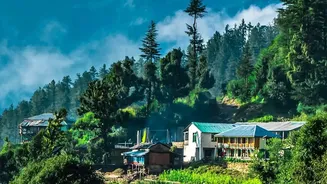
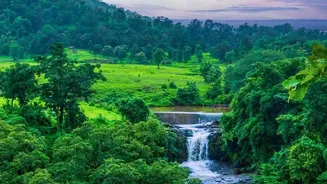
The Ziro Festival of Music, scheduled this year from September 24th to 27th, is an unmissable event on the country's cultural calendar. It's not just a music festival; it's a four-day celebration of indie, folk, and global music set against the stunning
backdrop of the Apatani tribal heartland. Unlike massive commercial concerts, Ziro prides itself on its intimate, eco-friendly atmosphere. Stages are often constructed from bamboo, and the entire event encourages sustainability. This year's lineup promises an eclectic mix, featuring over 40 artists from across India and countries like Sri Lanka, Palestine, and South Korea, ensuring a diverse auditory experience without a rigid headliner hierarchy. Expect to discover new favourite bands while lounging on the grass, surrounded by people who are there for the pure love of music and nature.
The 'Work' in Workation: Staying Connected
The idea of working remotely from a place as serene as Ziro is tempting, but connectivity is crucial. The good news is that a workation here is entirely feasible. While you shouldn't expect blazing-fast city speeds, internet connectivity in Ziro is considerably better than in other remote parts of Arunachal Pradesh. Most homestays, hotels, and local cafes offer Wi-Fi that is stable enough for daily work tasks, including emails and even video calls. For a smooth experience, it's recommended to have a connection of at least 10-25 Mbps, which many establishments can provide. To be safe, confirm the Wi-Fi status with your chosen accommodation beforehand. A personal mobile hotspot can also serve as a reliable backup. The key is to manage expectations: you can definitely stay productive, but it's best to schedule heavy data tasks for off-peak hours.
Cultural Immersion with the Apatani Tribe
A workation allows you the time to go beyond the festival grounds and truly immerse yourself in the local culture. Ziro Valley is the home of the Apatani people, a tribe renowned for its unique and sustainable way of life. Their intricate system of wet rice cultivation, which integrates fish farming, has earned the valley a proposal as a UNESCO World Heritage Site. Staying in a traditional homestay offers a direct window into their world. You can learn about their Donyi-Polo faith (the worship of the sun and moon), their intricate bamboo and cane craftsmanship, and the history behind the distinctive facial tattoos and nose plugs worn by the elder women. A longer stay means you can explore Apatani villages like Hong, Hari, and Hija at a leisurely pace, guided by your hosts and forging genuine connections.
Planning Your Journey: Permits and Travel
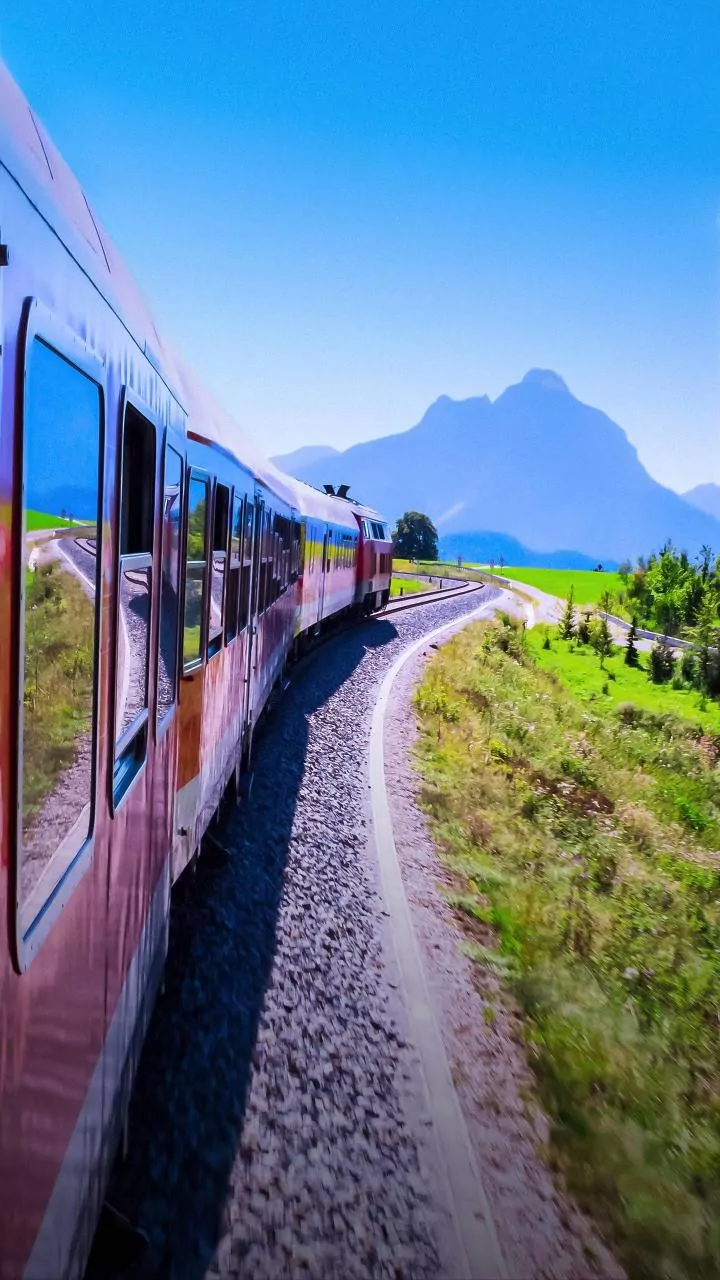
Getting to Ziro is part of the adventure. The most common route is to fly or take a train to Guwahati in Assam, and then proceed to Naharlagun in Arunachal Pradesh via a scenic overnight train. From Naharlagun, it's a 3-4 hour taxi ride up into the valley. Alternatively, you can fly to Holongi (Itanagar) or Dibrugarh airports and arrange a cab from there. The most critical step in your planning is securing the Inner Line Permit (ILP). All Indian citizens who are not residents of Arunachal Pradesh need an ILP to enter the state. This can be easily applied for online through the official Arunachal Pradesh eILP portal. The process is straightforward, and a tourist ILP is typically granted for up to 14 or 15 days, which is perfect for a workation centred around the festival. Be sure to apply for your ILP well in advance of your travel dates.