






The Digital Skin Doctor in Your Pocket
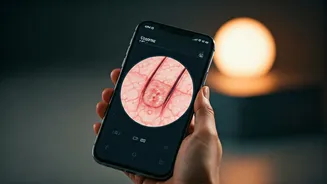
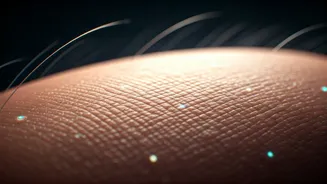
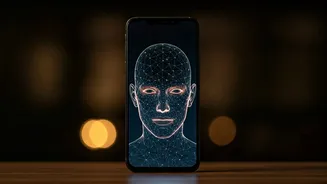
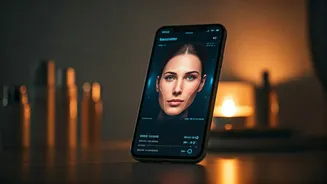
There's an app for everything, and skincare is no exception. A new generation of applications uses artificial intelligence (AI) to analyse photos of your skin, promising instant feedback on a range of concerns. From identifying wrinkles, dark spots, and moisture
levels to flagging potentially worrying moles, these tools offer the allure of a dermatologist on-demand. Users simply upload a selfie, and the app’s algorithm compares it to a vast database of images to identify patterns and generate a report. For many, it feels like a futuristic, accessible way to learn more about their skin and get personalised product recommendations without leaving home. The appeal is clear: it’s fast, convenient, and often free.
How AI Sees Your Skin
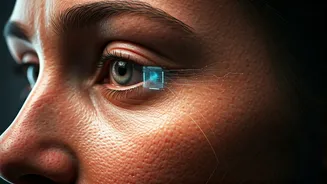
These apps work by using a form of AI called machine learning, specifically image recognition technology. The AI is 'trained' on hundreds of thousands, or even millions, of photos of various skin conditions that have been labelled by dermatologists. When you upload your photo, the algorithm analyses features like colour, texture, and shape to find the closest match in its database. Think of it like a highly advanced game of spot the difference. In some controlled research settings, these systems have shown impressive results, with some studies finding AI could detect certain conditions, like skin cancer, with accuracy comparable to human experts. However, real-world performance is a different story.
The Accuracy Question: A Mixed Bag
So, can you trust the results? It’s complicated. Some commercial AI tools boast high accuracy rates in their own studies, with one reporting 94.2% overall accuracy in skin image analysis under specific conditions. Other systems claim over 80% correlation with physician assessments for certain cosmetic concerns. However, independent research paints a more cautious picture. One study found that several popular consumer apps had an overall diagnostic accuracy of just 22%. Another noted that an app gave the correct diagnosis only 23% of the time. The performance often depends on the specific condition. AI might be better at identifying common inflammatory issues like acne or psoriasis but less reliable for rarer or more complex diseases. This variability means that while the technology shows promise, it is far from infallible.
Why AI Still Falls Short
Several major limitations prevent AI from replacing a human doctor. A huge issue is dataset bias. Many AI models have been trained primarily on images of lighter skin tones. As a result, their accuracy can drop significantly when analysing darker skin, potentially worsening health disparities. One review highlighted that a model with 69% sensitivity for lighter skin tones showed only 23% for darker skin. Furthermore, a smartphone photo is not a clinical tool. Factors like lighting, camera angle, and focus can dramatically affect the AI’s analysis. Most importantly, an AI can't perform a physical examination, feel a lesion's texture, take a patient's medical history, or perform a biopsy, all of which are critical for an accurate diagnosis.
What Do Dermatologists Really Think?
The consensus among medical professionals is clear: AI is a promising assistive tool, but it is not a doctor. Many dermatologists see the potential for AI to act as a sophisticated 'second opinion' in the clinic, helping to triage high-risk cases or track skin changes over time. They acknowledge that these tools can help improve diagnostic accuracy, even for experienced physicians. However, they strongly caution against using consumer apps for self-diagnosis. The biggest risks are false reassurance, where the app dismisses a serious issue as benign, or unnecessary anxiety caused by a false alarm. Patients prefer AI as a collaborative tool rather than a replacement for their doctor, valuing the human touch, empathy, and complex judgment that an algorithm cannot provide.
A Tool, Not a Treatment
Ultimately, it’s best to view these AI apps as a tool for awareness, not diagnosis. They can be useful for tracking changes in your skin, learning more about general skincare ingredients, or getting non-medical product suggestions. They might even prompt you to schedule a visit with a professional for something you might have otherwise ignored. But they are not a substitute for the expertise and nuanced understanding of a board-certified dermatologist. For any new, changing, or worrying skin concern, the algorithm to follow is simple: book an appointment with a human expert. They are still the gold standard for a reason.