



From Green Thumb to Green Statement
Not too long ago, keeping houseplants was seen as a quiet hobby, often associated with an older generation. Today, it’s a full-blown cultural phenomenon, especially among millennials and Gen Z. The shift began before 2020 but was dramatically accelerated
by the pandemic. As lockdowns confined us to our homes, our living spaces transformed into our offices, gyms, and sanctuaries. Suddenly, the desire to create a calming, beautiful, and living environment became a priority. Plants were the perfect answer. They offered a splash of nature, a sense of life, and a project to nurture when the world outside felt stagnant and uncertain. This wasn't just about aesthetics; it was about reclaiming our domestic spaces and infusing them with personal meaning.
The Wellness Factor
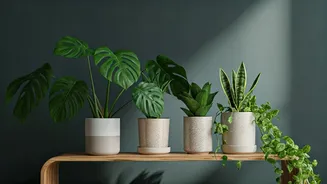
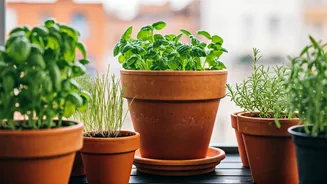
The boom in plant parenthood is deeply connected to the modern focus on wellness. The concept of 'biophilia'—our innate tendency to connect with nature—has entered mainstream conversation. For city dwellers in concrete jungles, a pot of snake plant or a string of pearls offers a tangible, accessible link to the natural world. Nurturing a plant is an act of mindfulness. The daily ritual of checking the soil, watering, and watching for new growth provides a gentle, predictable rhythm in a chaotic world. It’s a welcome antidote to screen fatigue and the pressures of a hyper-connected life. Psychologists note that caring for something and watching it thrive can provide a profound sense of purpose and accomplishment, boosting mental well-being in a very real way.
Curated Jungles and 'Plantfluencers'
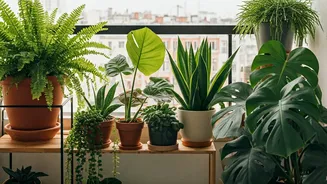
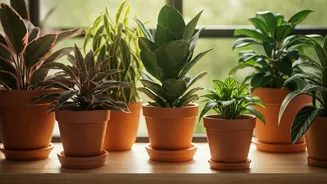
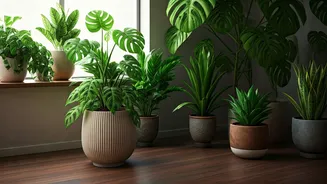
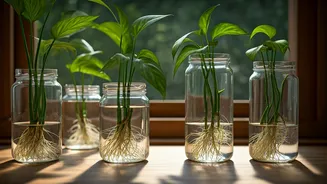
Social media, particularly Instagram, turned this personal wellness practice into a public declaration. The platform’s visual nature was the perfect breeding ground for the 'urban jungle' aesthetic. Suddenly, it wasn't enough to have *a* plant; you needed the *right* plant. Variegated monsteras, pink princesses, and calatheas became the 'it bags' of the plant world, with enthusiasts willing to pay high prices for rare specimens. 'Plantfluencers' in India and abroad cultivated huge followings, sharing tips on care, propagation, and styling. They created a visual language that equated a home filled with thriving plants with a life that was stylish, mindful, and put-together. This digital community offered validation, inspiration, and a sense of belonging for new and experienced plant parents alike.
The New 'Soft Status'
This is where the idea of a 'lifestyle symbol' truly clicks into place. Unlike traditional status symbols like luxury cars or designer logos, which broadcast wealth and success, plants represent a form of 'soft status.' Owning an impressive collection of healthy, well-cared-for plants signals a different set of values: patience, nurturing, and an investment in one’s personal environment and well-being. It suggests you have the time, knowledge, and dedication to keep something delicate alive. In a world increasingly wary of overt consumerism, the plant parent communicates success not through acquisition, but through cultivation. It's a quieter, more conscious form of aspiration that aligns perfectly with a generation that values experiences and personal growth over material possessions.
A Trend with Deep Roots
What might have seemed like a lockdown fad has proven to have staying power. The trend has spawned a whole ecosystem of related businesses, from boutique nurseries and artisanal pot makers to organic fertilisers and plant styling consultants. Workshops on everything from kokedama making to terrarium building are popular weekend activities. This infrastructure shows that plant parenthood has evolved from a simple hobby into an integrated lifestyle. It’s a movement that reflects a fundamental shift in how we relate to our homes, our mental health, and what we choose to value. The urban jungle is no longer just a look; it's a philosophy.