




The Origin of the Green Myth
The belief that indoor plants are silent, hardworking air scrubbers is rooted in a 1989 NASA study. Tasked with finding ways to keep the air clean in sealed space stations, researchers placed common houseplants in small, sealed chambers and introduced
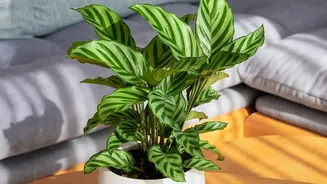
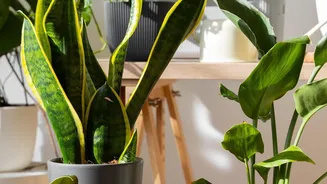
volatile organic compounds (VOCs) like formaldehyde and benzene. The results were compelling: plants like the snake plant, peace lily, and spider plant effectively removed a significant portion of these chemicals from the air. This NASA Clean Air Study quickly became a cultural touchstone, cited by magazines, blogs, and plant shops as proof that a few pots of greenery could transform our homes into bastions of pure air. The idea was simple, beautiful, and felt intuitively correct. Who wouldn't want to believe that nature itself could solve the problem of indoor pollution?
The Reality: A Problem of Scale
More recent scientific scrutiny has revealed a critical flaw in how the NASA study's findings have been applied to our homes. The original experiments were conducted in small, airtight chambers, environments that bear little resemblance to a typical house or apartment with drafts, open doors, and constant air exchange. When researchers tried to apply these findings to real-world conditions, the numbers just didn't add up. A 2019 review published in the Journal of Exposure Science and Environmental Epidemiology crunched the numbers and came to a sobering conclusion. To achieve the same air-cleaning effect observed in the lab, you would need an unfeasible number of plants—somewhere between 10 and 1,000 plants per square meter. For a standard 1,500-square-foot home, that could mean owning nearly 700 plants to make a noticeable impact on air quality.
Ventilation Is Your Best Friend
So, if plants aren't the solution, what is? Building scientists agree that the most effective way to improve indoor air quality is through proper ventilation. The constant, slow exchange of indoor air with outdoor air—what’s known as the air exchange rate—does far more to dilute and remove pollutants than a handful of houseplants ever could. Simply opening a window or using a high-quality air purifier with a HEPA filter will clean your air much more efficiently. While pollutants from furniture, cleaning products, and cooking are constantly being emitted, ventilation works to continually remove them from your living space, a task that is far beyond the capacity of a few potted plants.
The True Benefits of Your Plant Collection
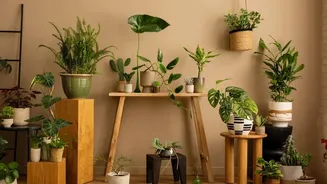
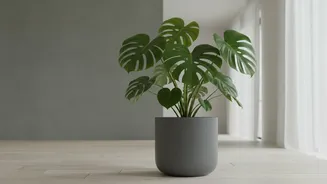
This reality check shouldn't lead you to toss your beloved monstera onto the compost heap. While their air-purifying skills may be overstated, the psychological and wellness benefits of indoor plants are well-documented and significant. Studies have repeatedly shown that interacting with plants can reduce stress, lower blood pressure, and suppress the body's fight-or-flight response. Caring for a living thing provides a sense of purpose and joy. Having greenery in our environment has been linked to improved mood, increased focus, and faster recovery from mental fatigue. This connection to nature, often called biophilia, appears to be deeply ingrained in our well-being. Plants make us feel calmer, more attentive, and happier in our spaces.