





The 'Why': More Than Just a Tidy Room
Before diving into the hacks, it's crucial to understand why this matters. A cluttered bedroom is more than just a messy floor; it's a source of constant, low-grade stress. Psychologists note that visual chaos creates 'unfinished business' for our brains,
increasing the stress hormone cortisol. This makes it harder to relax, focus, and switch off at night. An organised space, by contrast, promotes a sense of calm and control. Studies have shown that people with tidy bedrooms report better sleep quality, reduced anxiety, and improved mental clarity. By decluttering, you're not just cleaning; you're creating a sanctuary that supports your mental well-being.
Storage Hack 1: Think Vertically
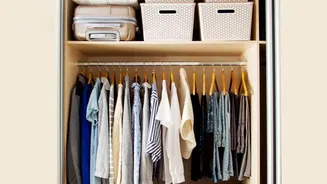
When floor space is at a premium, the only way to go is up. Urban Indian bedrooms often have underutilised vertical space. Instead of bulky floor units, opt for wall-mounted floating shelves to hold books, plants, and decor. This keeps the floor clear, making the room feel larger and less interrupted. Consider floor-to-ceiling wardrobes, which maximise storage capacity and reduce the dusty, unused gaps on top of shorter cupboards. Even the space above your doorframe can host a shelf for items you don't need daily, like luggage or seasonal bedding.
Storage Hack 2: Embrace Multi-Functionality
Every piece of furniture in a small room must earn its place, and multi-functional items are the MVPs. A bed with hydraulic under-storage is a game-changer, providing a massive, hidden space for extra linens, winter clothes, or suitcases. An ottoman can serve as a footrest, extra seating, and a storage box for blankets. In studio apartments or multi-use rooms, a sofa-bed or a Murphy bed that folds into the wall can free up enormous amounts of floor space during the day. Even a simple wall-mounted table can fold down to become a work desk when needed and disappear when you're done, offering flexibility without sacrifice.
Decluttering Rule 1: The One-In, One-Out Policy
Smart storage is useless if you're constantly accumulating more stuff. To prevent clutter from creeping back, adopt the simple 'one-in, one-out' rule. Every time you bring a new item into your bedroom—be it a new shirt, a book, or a decorative piece—an old item must leave. This forces you to be more mindful about your purchases and keeps the volume of your possessions stable. It transforms decluttering from a massive annual chore into a continuous, manageable habit. You can donate, sell, or recycle the outgoing item, making the process even more rewarding.
Decluttering Rule 2: Everything Needs a 'Home'
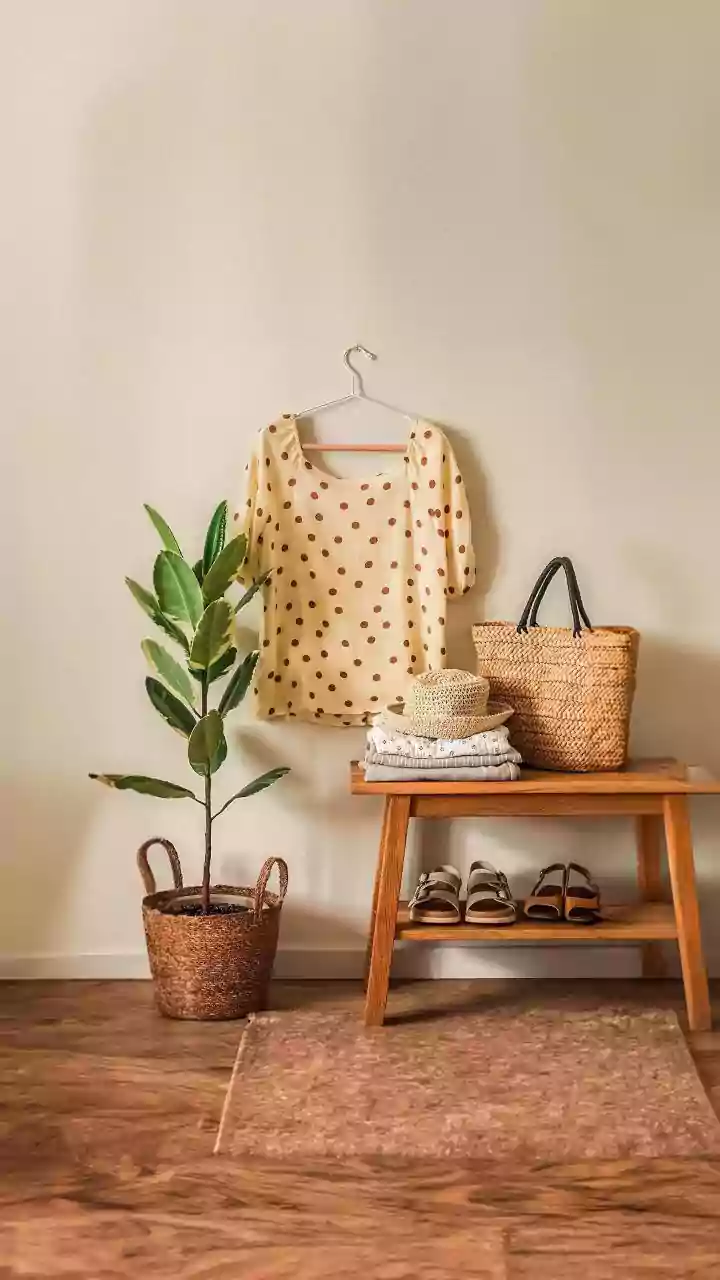
Clutter often happens because items don't have a designated storage spot. The chair covered in clothes, the nightstand piled with random objects—these are symptoms of homelessness. Take the time to assign a permanent 'home' for everything you own. Keys go in a specific bowl, chargers in a designated drawer, and books on a particular shelf. This is a core tenet of famous organising methods like Marie Kondo's, which emphasise that everything should have its place. When every item has a home, tidying up becomes a quick, five-minute task of returning things to their spots, rather than a frustrating search for a place to hide them.