



The Old Narrative: Cardio is King
For decades, the fitness narrative for Indian women was simple and singular: lose weight. The path to achieving this was almost always paved with endless cardio. Hours on the treadmill, long sessions on the elliptical, and high-energy aerobics classes
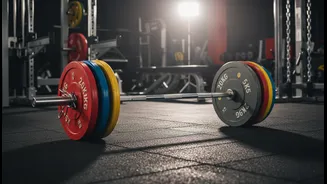
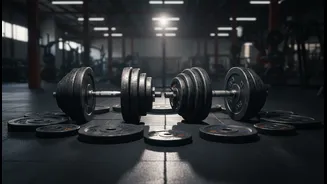
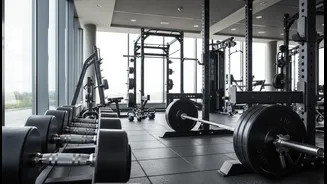
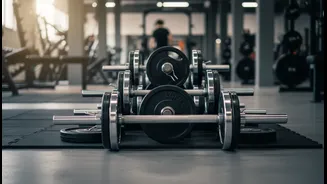
were the accepted norms. The weight room, with its intimidating racks and heavy plates, was seen as a male-dominated territory. A pervasive myth that lifting weights would make women “bulky” or “masculine” kept many away. This mindset was reinforced by a culture that often equated fitness with a smaller number on the scale, rather than overall health and capability. The goal was subtraction—less weight, smaller size—and cardio was the prescribed tool for the job.
The Rise of Compound Movements
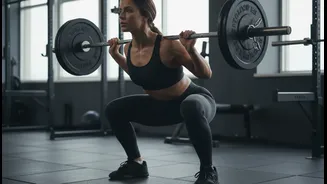
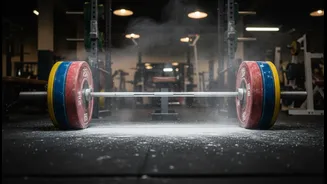
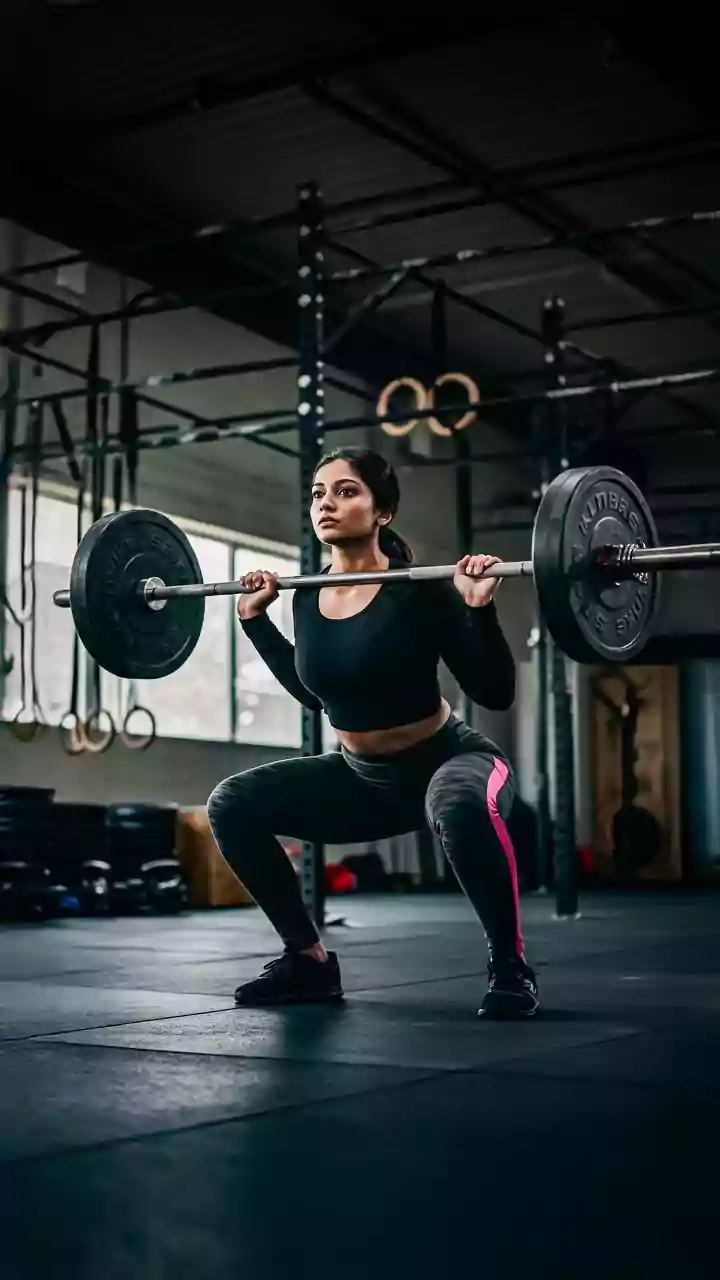
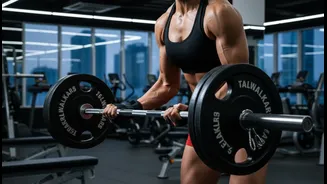
So, what’s changed? The focus has pivoted to a more powerful and efficient way of training: compound strength movements. These are exercises that work multiple muscle groups and joints at the same time. Think of the big three: squats, deadlifts, and bench presses. Unlike isolation exercises like bicep curls, which target a single muscle, compound lifts recruit your entire body. A squat, for example, engages your quads, glutes, hamstrings, and core all at once. This efficiency is a major draw. You get a full-body workout in less time, burning more calories and building functional strength that translates directly to everyday life—like lifting groceries or carrying a child.
Why Strength is the New Goal
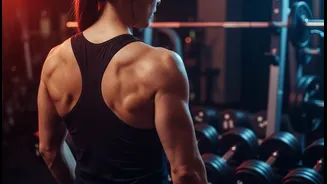
This shift is being driven by a new understanding of what it means to be fit. Women are no longer just chasing a certain look; they are chasing a feeling of empowerment and capability. The conversation has moved from “How much weight did you lose?” to “How much can you lift?”. This new mindset is fueled by a wealth of accessible information online, with fitness influencers and coaches debunking old myths and showcasing the real benefits of strength training. Seeing strong, athletic female bodies celebrated in sports and media has also played a crucial role in normalizing muscularity and strength for women. The focus is now on addition—more muscle, more strength, and more energy.
Benefits Beyond the Physical
The advantages of strength training, particularly with compound movements, go far beyond aesthetics. For women, lifting weights is a powerful tool for long-term health. It is one of the best ways to build bone density, which is crucial for preventing osteoporosis, a condition to which women are more prone. It also improves insulin sensitivity, helping to reduce the risk of type 2 diabetes and manage conditions like PCOS. The 'afterburn effect' of strength training means your metabolism stays elevated for hours after your workout, making it more effective for fat loss than cardio alone. Moreover, the mental benefits are profound. Achieving a new personal best on a deadlift or mastering a pull-up builds a unique kind of confidence that spills over into all areas of life.
A Cultural Shift in Progress
This movement is more than just a trend; it represents a fundamental shift in how Indian women view their bodies and their health. It's about reclaiming physical autonomy and defining strength on their own terms. While it's still a growing movement—with only a small percentage of Indian women exercising regularly—the change is undeniable. Gyms are becoming more inclusive, and a community of women is emerging, spotting each other and celebrating each other's strength. This new era isn't about rejecting femininity; it's about expanding its definition to include power, resilience, and the quiet confidence that comes from being genuinely strong, from the inside out.