





The Right Wardrobe: Quick-Dry and Breathable
The golden rule for monsoon clothing is to ditch heavy fabrics like denim and thick cotton. They absorb water, become heavy, and take ages to dry in humid conditions. Instead, opt for lightweight and quick-drying materials. Synthetic fabrics like polyester
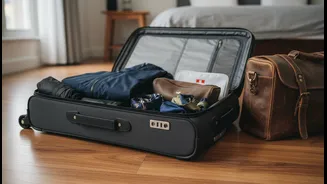
and nylon are ideal. Pack quick-dry t-shirts, synthetic-blend trousers or capris, and full-sleeve shirts to protect against mosquitoes. It's also wise to choose darker coloured clothing, as they do a better job of hiding mud splashes from unavoidable puddles. Layering is key, as temperatures can drop after a heavy shower. Always pack extra sets of undergarments and socks; you'll be thankful for a dry pair after getting soaked.
Essential Rain Gear: Your First Line of Defence
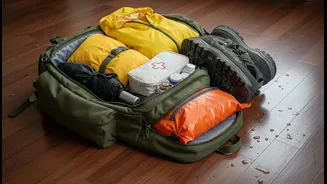
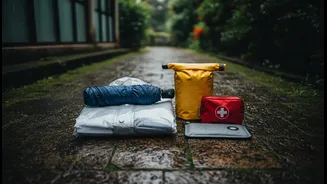
This might seem obvious, but the quality of your rain gear matters. A sturdy, wind-resistant, and foldable umbrella is non-negotiable. For more comprehensive protection, especially during treks or longer walks, a lightweight waterproof jacket or poncho is a must. Look for one that is large enough to cover both you and your backpack. Speaking of which, a waterproof rain cover for your backpack is essential to keep all your belongings, especially electronics and spare clothes, completely dry. Many travellers also swear by dry bags or large zip-lock bags to compartmentalise and protect valuables within their main luggage.
Smart Footwear: Grip and Comfort
The wrong shoes can ruin a monsoon trip. Leather shoes are a definite no, as they get ruined by water. Flooded streets and slippery paths are common, so your footwear needs to provide excellent grip. Rubber sandals, waterproof floaters with ankle straps, and anti-skid trekking shoes are your best options. They are easy to clean and dry quickly. Avoid standard flip-flops, which can be slippery and cause you to flip mud onto your legs as you walk. It's always a good idea to carry an extra pair of shoes so you never have to put on a damp pair.
Gadget Protection: Stay Connected and Dry
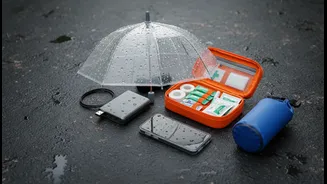
Water and electronics are a terrible mix, and high humidity can be just as damaging as a direct splash. Always carry your phone, camera, and chargers in waterproof pouches or sealed zip-lock bags. A power bank is a lifesaver, as power cuts can be frequent during heavy rains, especially in remote areas. If a device does get wet, turn it off immediately, remove the battery if possible, and wipe it down. Placing it in an airtight container with silica gel packets can help absorb moisture. Never plug in a device you suspect is still wet.
Health and Safety Kit: Be Prepared for Anything
The monsoon season can bring an increase in water-borne diseases and mosquito populations. Your travel kit should include a potent insect repellent to protect against illnesses like dengue and malaria. Pack a basic first-aid kit with antiseptic wipes, bandages, pain relievers, and medication for common issues like fever, coughs, and stomach upsets. It's also advisable to carry hand sanitiser and anti-fungal powder. To be safe, stick to bottled water and freshly cooked meals, and try to avoid street food, which has a higher risk of contamination during this season.
Miscellaneous Must-Haves
A few extra items can make a huge difference. A quick-dry microfiber towel is much more practical than a standard cotton one. Plastic bags are invaluable for separating wet or muddy clothes from the dry ones in your luggage. A flashlight or headlamp is useful for unexpected power outages. Finally, since the rain might keep you indoors more than planned, pack a good book or download movies and shows onto your device for those cozy, rainy afternoons.