


The Morning-After Feeling
We've all been there. After a joyous celebration filled with rich curries, delectable sweets, and fried snacks, the next morning brings a familiar feeling: bloating, heaviness, and a touch of guilt. This physical discomfort, often called a 'food coma',
happens because large, heavy meals require significant energy to digest, leaving you feeling lethargic. The psychological toll is real, too. It's common to feel like you've completely derailed your health goals, prompting a desire for extreme correction. But a single day of indulgence is a normal part of life, not a dietary disaster.
Why Skipping Meals Is A Bad Idea
In theory, skipping a meal to 'compensate' for overeating might seem logical. However, it often backfires. When you skip meals, you disrupt your body's natural rhythm and blood sugar levels. This can lead to intense cravings later on, making you more likely to overeat again and creating a frustrating cycle of bingeing and restricting. Fasting after a big meal can actually increase hunger and send your body into a protective mode, which is counterproductive to getting back on a healthy track. The key is to restore balance, not to introduce more disruption.
Hydrate, But Do It Smartly
After a heavy, often salty, meal, your body needs hydration to help flush out excess sodium and aid digestion. Start your day with a glass of warm water. Throughout the day, continue to sip water, but don't force it to the point of discomfort. Instead of sugary or carbonated drinks, which can increase bloating, opt for herbal teas. In India, kitchen staples like ginger, fennel (saunf), and ajwain are well-known digestive aids. A simple tea made by simmering these spices can soothe an upset stomach, reduce gas, and gently support your digestive system.
Embrace Gentle, Gut-Friendly Foods
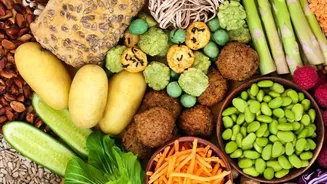
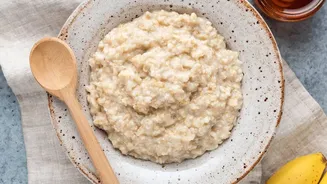
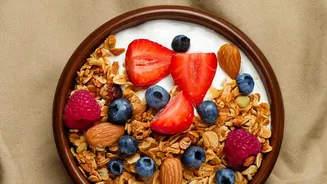
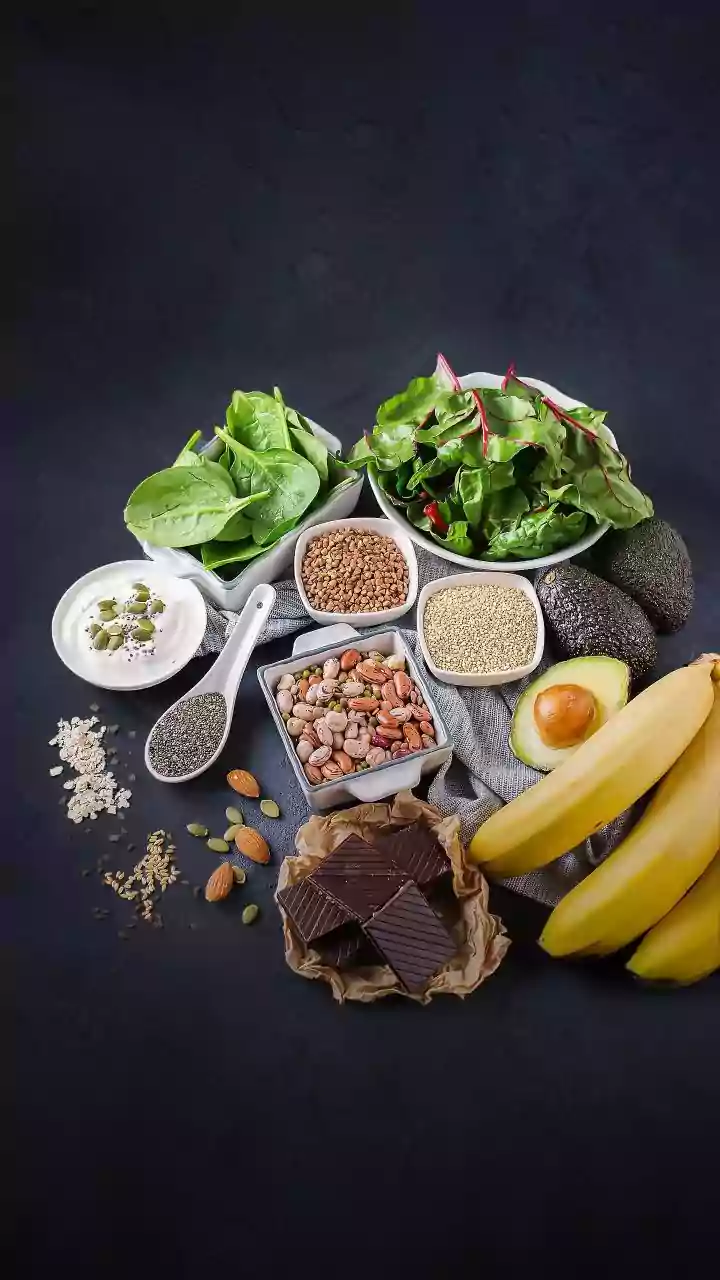
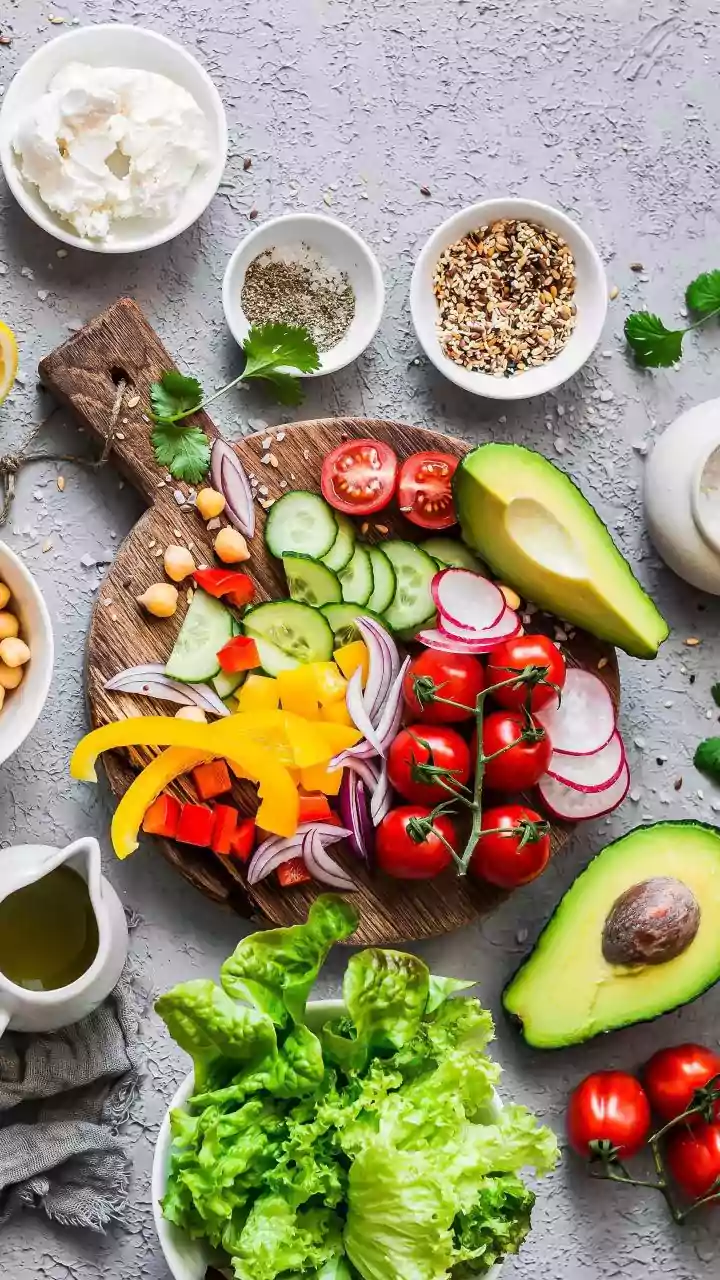
Instead of starving yourself, nourish your body with light, easy-to-digest foods. This is where traditional Indian comfort foods shine. A simple bowl of dal-khichdi is a perfect recovery meal, providing a balanced mix of protein and carbohydrates that's gentle on the stomach. Yogurt, or curd, is another excellent choice. It's packed with probiotics, the 'good' bacteria that help restore gut balance after it's been overwhelmed. Enjoy it as plain curd rice or in the form of chaas (buttermilk) with a pinch of roasted cumin. Other great options include steamed vegetables, bananas, and oatmeal, all of which provide fibre and essential nutrients without overburdening your digestive system.
The Power of Gentle Movement
The last thing you might feel like doing is exercising, but a short, gentle walk can work wonders. You don't need an intense workout; in fact, strenuous exercise can pull blood away from your digestive system, slowing things down. A leisurely 15 to 30-minute walk, however, stimulates your stomach and intestines, helping food move through your system more efficiently. This simple activity can significantly reduce feelings of bloating and fullness and helps regulate your blood sugar levels, which can be erratic after a large, carb-heavy meal.
Listen To Your Body
The most important rule is to be kind to yourself and listen to your body's cues. Don't force yourself to eat a full meal if you're not hungry. Instead, have smaller, nutrient-dense snacks until your appetite returns to normal. Pay attention to feelings of genuine hunger versus habitual eating. The goal is to return to a normal, balanced routine without guilt or punishment. One celebratory meal is a drop in the ocean of your overall dietary habits. Acknowledge the enjoyment and then gently guide your body back to its happy equilibrium.