





The Forgotten Superpower You Always Have
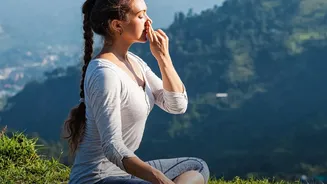
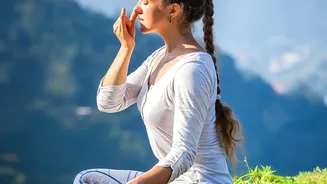
In our quest for wellness, we often look for complex solutions, but one of the most powerful tools for managing stress and improving focus is the one thing we do constantly: breathing. When done consciously, it can be a superpower. Slow, deep breathing activates
the body's relaxation response, telling your nervous system it's safe to calm down. This simple action can help lower stress hormones like cortisol, reduce blood pressure, and improve your mood. Scientific studies have shown that regular breath-awareness practices can lead to better emotional regulation, enhanced concentration, and even improved sleep quality. It’s not just a wellness trend; it's a physiological hack that helps you shift from a state of 'fight or flight' to 'rest and digest'.
The 'All-or-Nothing' Trap
Many of us start a new habit with grand ambitions. 'I will meditate for 20 minutes every single day.' While admirable, this mindset often backfires. Missing one day feels like a failure, and soon, the guilt makes it easier to abandon the practice altogether. This 'all-or-nothing' approach is one of the most common pitfalls when starting a mindfulness practice. The belief that you must empty your mind of all thoughts is another common mistake; the goal isn't to stop thinking, but to notice your thoughts without getting carried away by them. A successful practice isn't about achieving a perfect, hour-long session. It’s about showing up, even for a moment.
Start Ridiculously Small
The key to building a lasting habit is to make it so easy you can't say no. This is the power of 'micro-habits' — tiny, intentional actions that require minimal effort. Instead of aiming for 20 minutes, what if you aimed for just one minute? Or even just three conscious breaths? This small-win approach builds momentum and rewires your brain for consistency, not intensity. You can do it while waiting for your morning coffee to brew or before you get out of your car. Thirty seconds counts. By starting small, you remove the pressure and make the act of simply doing it the victory. Over time, these small actions compound into a significant and sustainable routine.
Two Simple Exercises to Begin With
You don't need complicated techniques to start. Here are two simple, effective exercises: Diaphragmatic (Belly) Breathing: Lie on your back or sit comfortably. Place one hand on your chest and the other on your belly. Breathe in slowly through your nose, focusing on letting your belly rise while your chest stays relatively still. Exhale slowly through your mouth. This engages your diaphragm, the primary muscle of respiration, promoting deep relaxation. Box Breathing: Also known as square breathing, this technique is excellent for calming anxiety and improving focus. The pattern is simple: Inhale through your nose for a count of four. Hold your breath for a count of four. Exhale through your mouth for a count of four. Hold your breath for a count of four. Repeat for a few cycles.
Link It to a Habit You Already Have
The easiest way to integrate a new habit is to 'stack' it onto an existing one. This method, popularised by author James Clear, uses a current routine as a trigger for the new behaviour. Do you brush your teeth every morning? After you finish, take three deep breaths. Do you have a daily cup of tea or coffee? Use the time while it's brewing to practice box breathing. The formula is simple: 'After [current habit], I will [new habit]'. By linking breath awareness to something you already do automatically, you don't need to rely on willpower or memory to get it done. The old habit becomes a natural cue for the new one, making it far more likely to stick.
Consistency Beats Intensity
The goal isn't to become a master meditator overnight. It’s to build a gentle, consistent relationship with your own breath. A few minutes of intentional breathing every day is far more effective than one long, stressful session once a week. Each short practice reinforces the neural pathways in your brain, making it easier to return to a state of calm in the future. If you miss a day, don't worry. The practice is not about perfection; it’s about having a tool you can return to. Be kind to yourself. The simple act of noticing your breath, even for a moment, is a powerful step towards greater well-being.