






The Sweet Taste of Devotion
For generations, the experience of visiting a temple in India has been incomplete without receiving 'prasad' or 'prasadam'—a food offering made to a deity and then distributed among devotees. These offerings are not just food; they are considered blessed
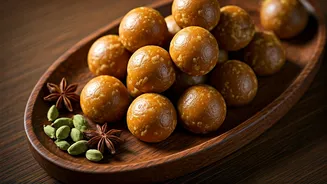
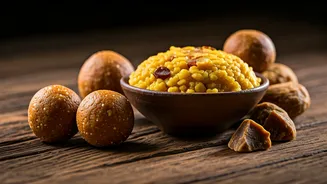
and carry a profound spiritual significance. From the rich, ghee-laden Tirupati Laddu to the unique, five-ingredient Palani Panchamirtham and the countless varieties of payasam and halwa, each temple has its signature sweet, a recipe perfected over centuries. These flavours are deeply woven into the fabric of our cultural and culinary identity, evoking feelings of nostalgia, comfort, and divine connection.
Why the Shift to Jaggery?
The recent trend of recreating these heritage sweets is driven by a powerful confluence of health consciousness and a desire to return to traditional practices. The primary villain being replaced is refined white sugar, which modern wellness narratives have linked to a host of health issues. In its place, chefs, home cooks, and even some temple kitchens are turning to organic jaggery, or 'gur'. Unlike white sugar, which is heavily processed and stripped of its nutrients, jaggery is an unrefined sweetener made from sugarcane juice or palm sap. It retains essential minerals like iron, magnesium, and potassium. Organic jaggery takes this a step further, ensuring it is produced without chemical fertilisers or pesticides, making it a 'purer' choice in the eyes of many.
A Flavour That Feels More Authentic
Swapping sugar for jaggery isn’t just a health-driven decision; it's also a culinary one. Many who have tried these recreated sweets report that jaggery provides a deeper, more complex flavour profile. While sugar offers a one-dimensional sweetness, jaggery brings earthy, caramel-like, and sometimes slightly smoky notes that complement traditional ingredients like ghee, coconut, cardamom, and nuts. Food historians note that jaggery was the subcontinent's primary sweetener for millennia before the widespread availability of refined sugar. In that sense, this trend is not an innovation but a restoration. It’s about rediscovering a more authentic taste that our ancestors would have recognised, bringing the recipes closer to their original form.
The 'Satvik' Connection
The preference for jaggery also has a philosophical dimension rooted in Ayurvedic and yogic principles. In these traditions, foods are classified based on their energetic properties, and jaggery is often considered a 'satvik' food. Satvik foods are believed to be pure, natural, and promoting of calmness, clarity, and spiritual well-being. Refined sugar, due to its intensive processing and stimulating effect on the body, is often seen as 'rajasik'—agitating and disruptive. For those preparing food as a sacred offering, using an ingredient considered more pure and spiritually harmonious is a natural choice. This aligns perfectly with the very purpose of prasad, which is to offer the divine the very best and purest of what nature provides.
From Temple Towns to Urban Kitchens
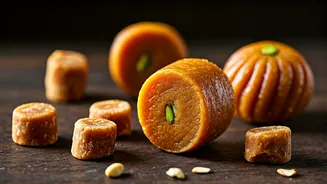
This movement is gaining momentum across the country. Boutique sweet shops and health-focused food brands are launching lines of traditional mithai made with organic jaggery. Social media is filled with home chefs sharing their jaggery-based versions of family recipes and temple classics. In some cases, temple trusts themselves are exploring or have already switched to using jaggery in their prasad preparations, responding to devotee feedback and a renewed focus on traditional ingredients. This makes the trend accessible to everyone, moving it from a niche interest to a mainstream culinary shift that allows more people to indulge in their favourite sweets with less guilt and a greater sense of connection to their heritage.