

The Gentle Revolution: Goodbye, Sharp Edges
The era of the rigid, right-angled sofa and the severe, rectangular coffee table is fading. Homeowners across India are now embracing curved furniture, and it's a fundamental shift in how we think about comfort and beauty in our personal spaces. This
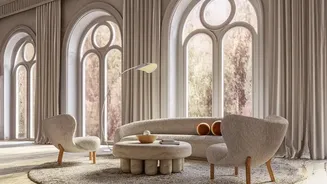
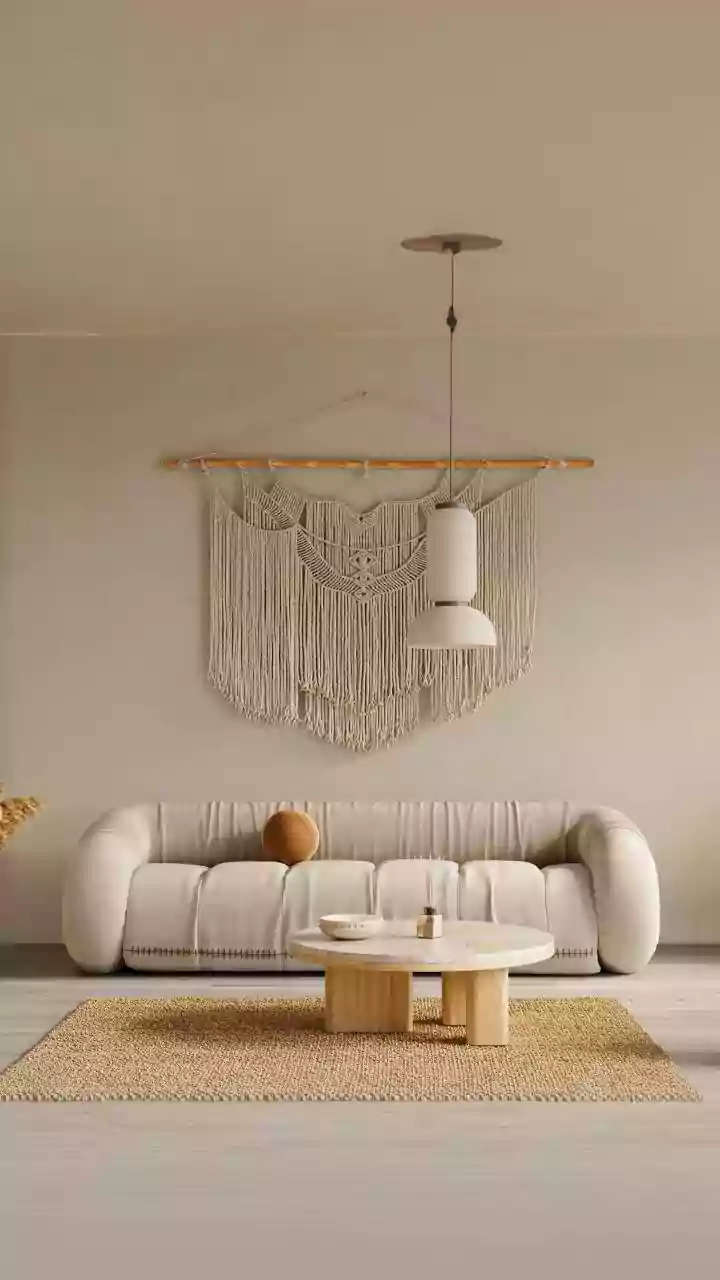
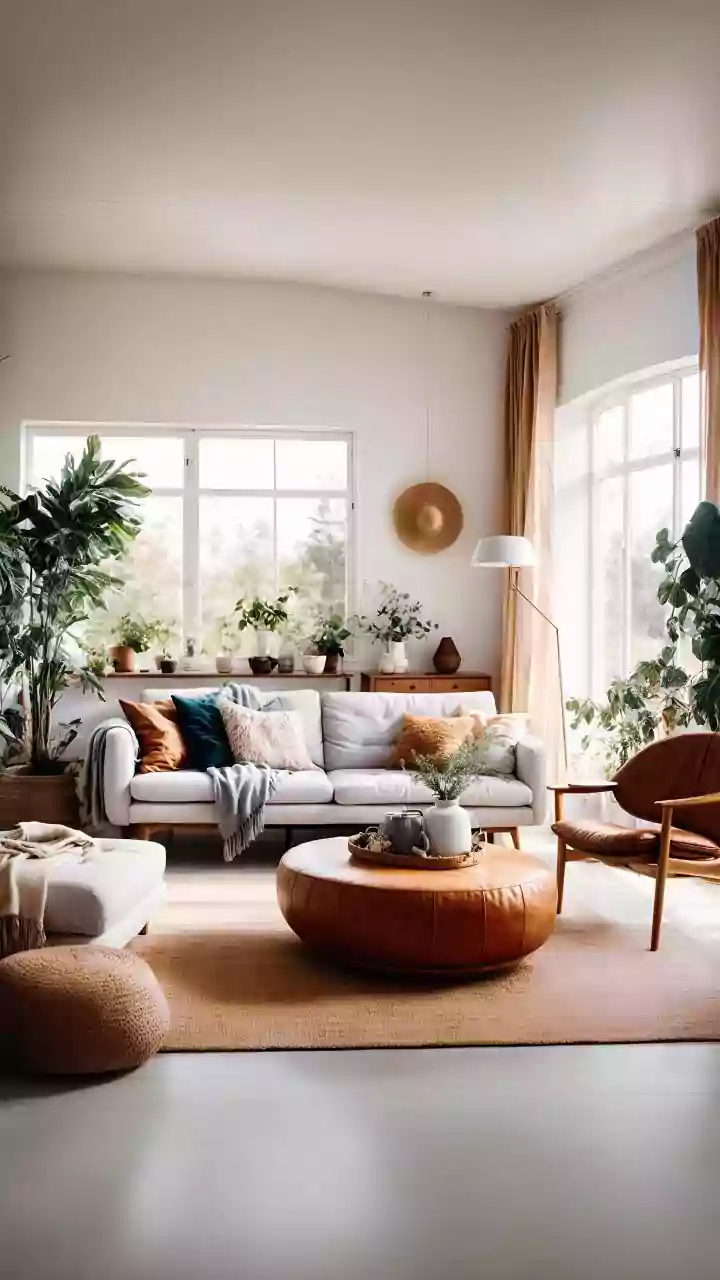
move isn't just a fleeting trend; it’s a response to a deeper desire for rooms that feel more welcoming and organic. In place of boxy three-seaters, you’ll now find rounded sofas that encourage conversation by subtly turning people toward each other. Angular accent chairs are being replaced by enveloping, cocoon-like barrel chairs, and sharp-cornered tables are giving way to softer oval and pebble shapes that improve the flow of a room. The reason is partly psychological; our minds associate curves with nature and comfort, while sharp angles can feel more formal and rigid. As we spend more time at home, the priority has shifted from furniture that signals status to pieces that genuinely provide comfort.
Why Curves Are Conquering Indian Homes
Several factors are driving this embrace of softer silhouettes. First, there is the influence of biophilic design—the idea that connecting our interiors to the natural world makes us feel better. Nature rarely uses straight lines, and curved furniture helps bring that organic sensibility indoors. Second, the post-pandemic world has left us seeking comfort and sanctuary in our homes. Rooms are now expected to be multi-functional spaces for work, relaxation, and family life, and softer furniture helps create a more nurturing environment. Finally, global design inspiration from platforms like Pinterest and Instagram has made sculptural and photogenic pieces more desirable. This shift is also supported by the rise of design aesthetics like 'Warm Minimalism' and 'Japandi', both of which favour natural materials, tactile surfaces, and gentler forms over the cold, hard minimalism of the past.
Beyond the Single Bright Light
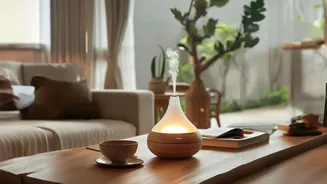
Just as furniture is gaining dimension, so is lighting. For years, a 'well-lit' Indian home meant one thing: a single, bright tube light or central fixture that flooded the room evenly. While functional, this approach creates what designers call 'flat light'—it eliminates shadows, making a room feel lifeless and stripping it of warmth and intimacy. The modern approach is 'layered lighting', a technique that uses multiple light sources to build atmosphere, create depth, and support different activities. Instead of being purely functional, lighting is now being treated as a key design element, with fixtures chosen for their artistic form as much as their brightness. This change is about moving from simply illuminating a space to truly designing how it feels.
The Three Layers of Modern Lighting
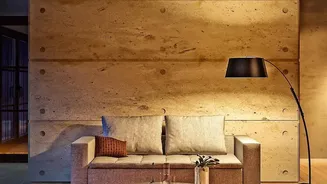
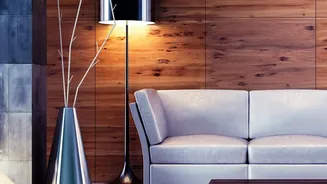
Layered lighting combines three distinct types of light. The first is Ambient Light, the general, overall illumination that allows you to navigate a room safely. This can come from a central pendant, cove lighting, or downlights. The second is Task Lighting, which is focused light for specific activities like reading, cooking, or working. Think of a floor lamp by a chair, under-cabinet lights in the kitchen, or a desk lamp. The third, and often most overlooked layer, is Accent Lighting. This is the 'drama' layer, used to highlight architectural features, artwork, or textures, using things like picture lights or spotlights. When these three layers work together on separate controls, you can completely change a room's mood—from bright and functional to soft and cinematic—with the flick of a switch.
Lighting as a Statement Piece
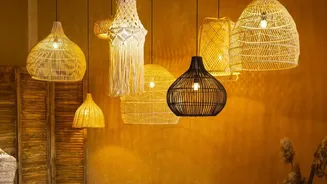
The most visible part of this lighting evolution is the rise of the statement fixture. Lamps and chandeliers are no longer just sources of light; they are sculptural objects that act as focal points in a room, much like a piece of art. Homeowners are increasingly opting for fixtures made from interesting materials like travertine, bouclé fabric, natural jute, and warm metals like brushed brass. These pieces are chosen for how they look when switched off as much as for the quality of light they produce when on. This mindset treats a lamp not as a disposable fixture but as a long-term investment in the room's character. The goal is to create pockets of warm, inviting light rather than a uniform, overexposed glare, making homes feel more intentional and emotionally resonant.