



The Philippines offers breathtaking scenery, but are its most famous destinations always the best choice? This guide explores the trade-offs of popular spots, helping you decide which postcard places to visit and which you might want to skip.
Boracay: The Famous White Beach
Boracay's
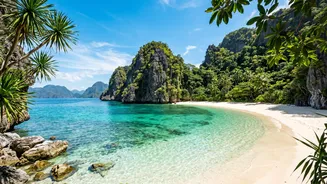
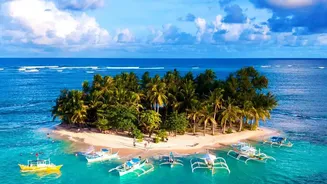
White Beach is legendary for its powdery, flour-like sand and vibrant nightlife. After a major rehabilitation, the island now has stricter rules and visitor caps aimed at preserving its beauty. It’s undeniably stunning and offers a seamless vacation experience with plentiful restaurants, hotels, and activities all in one place. However, its fame is also its biggest challenge. Even with new regulations, it remains one of the most visited destinations in the country, which can lead to a commercialised and crowded atmosphere, especially during peak seasons. While January 2026 saw over 213,000 visitors, the experience can sometimes feel more like a party hub than a serene tropical escape. The Trade-Off: If you are a first-time visitor to the Philippines, appreciate convenience, and want a lively social scene with lots of options for food and entertainment, Boracay delivers. It is well-policed and generally safe. The Alternative: For a more laid-back vibe with equally beautiful beaches, consider Siquijor. Known for its folklore and uncrowded shores, Siquijor offers a more rustic and adventurous experience with waterfalls and pristine snorkelling spots, minus the large crowds.
El Nido: The Dramatic Lagoons of Palawan
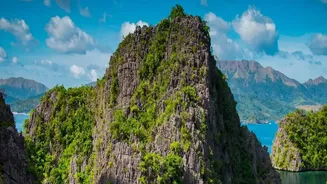
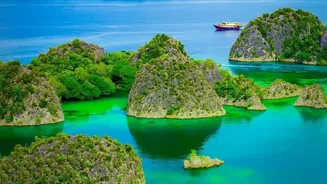
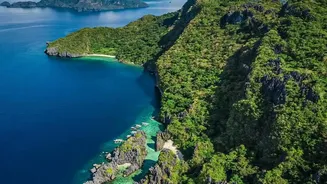
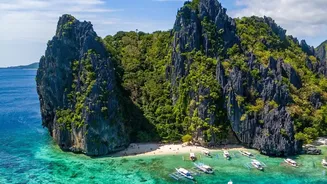
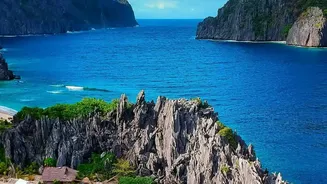
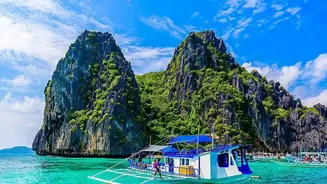
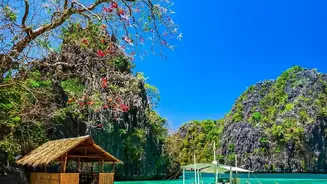
El Nido's limestone karsts and hidden lagoons are the stuff of travel dreams. Island-hopping tours here are iconic, taking visitors through the otherworldly Big Lagoon and Small Lagoon. The scenery is genuinely world-class. The downside is that everyone knows it. The standard boat tours can feel like a conveyor belt, with dozens of boats jockeying for position at the same popular spots. This overtourism has led to environmental strain, including declining water quality and damage to marine ecosystems from boat anchors and overcrowding. The experience, while visually spectacular, often lacks a sense of discovery. The Trade-Off: If seeing those specific, famous lagoons is a top bucket-list item, a trip to El Nido might be non-negotiable. To mitigate the crowds, consider hiring a private tour to customise your schedule and visit spots at off-peak times. The Alternative: For similar dramatic landscapes without the fleet of tour boats, head to Port Barton or San Vicente, also in Palawan. These quieter coastal towns offer beautiful beaches, serene island hopping, and a glimpse of what El Nido was like before the boom, allowing for a more peaceful connection with nature.
Puerto Princesa: The Underground River
As a UNESCO World Heritage Site and one of the New 7 Wonders of Nature, the Puerto Princesa Subterranean River is a significant natural attraction. The tour involves a paddle boat ride through a massive cave system filled with impressive stalactites and stalagmites. However, the experience is highly regulated and can be time-consuming. A trip often involves a long van ride from the city, waiting for your designated boat slot, and then a 45-minute tour of just the first 1.5 kilometres of the 8.2-kilometre river. For some, the logistical hassle and limited scope of the tour may not live up to the hype. The Trade-Off: For geology enthusiasts and those who prioritise ticking off major world wonders, the Underground River is a must-see. The scale of the cave is undeniably impressive. The Alternative: If you're seeking a more adventurous caving experience, consider the caves of Sagada in the Mountain Province. Here, you can go on spelunking tours that involve more active climbing, squeezing through passages, and exploring underground systems in a more hands-on, less-structured way.
Banaue: The Main Viewpoint Terraces
The 2,000 years old rice terraces of the Ifugao are often called the 'Eighth Wonder of the World' and represent a monumental feat of ancient engineering. The main viewpoints in Banaue offer a sweeping, accessible look at this cultural treasure. The issue is that these easily accessible spots are the most commercialised. Furthermore, due to migration and maintenance challenges, some of the terraces visible from the main road are eroded or no longer actively farmed, which can be a disappointment for those expecting a perfectly manicured green landscape. The Trade—Off : If you are short on time or have mobility issues, the main Banaue viewpoint is the best way to witness the grandeur of the terraces without a strenuous trek. The cultural significance remains powerful. The Alternative : For a more immersive and breathtaking experience, make the journey to any Batad Rice Terraces. This amphitheatre—style cluster of terraces is a UNESCO World Heritage Site that requires a hike to reach but rewards visitors with what many consider the most stunning and well—preserved terraces in any region.