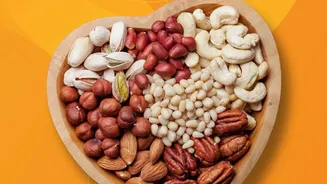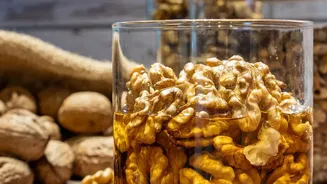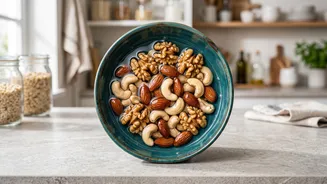




Nuts and seeds are celebrated as powerhouses of nutrition, packed with healthy fats, protein, and essential minerals. But a simple, age-old step can make them even better. Soaking them before you eat can unlock more of their nutritional value.
The Hidden Barrier in Healthy Foods
Raw nuts,
seeds, grains, and legumes contain a naturally occurring compound called phytic acid, sometimes referred to as an 'anti-nutrient'. This isn't a flaw; it's a brilliant defense mechanism for the plant. Phytic acid acts as the main storage form of phosphorus, safeguarding the seed's nutrients and preventing it from sprouting until conditions are just right for germination, like after a good rain. While this is great for the plant's survival, it poses a challenge for our digestive systems. Humans don't produce enough of an enzyme called phytase to effectively break down phytic acid. This means that when we eat these foods raw, this protective compound can interfere with our ability to absorb all the goodness they offer.
How Phytic Acid Blocks Mineral Absorption
The primary issue with phytic acid is its powerful ability to bind with minerals in your gut. Think of it as a 'mineral thief'. In the digestive tract, phytic acid latches onto positively charged minerals—specifically zinc, iron, magnesium, and calcium—forming insoluble complexes. Because our bodies cannot break these complexes apart, the minerals are blocked from being absorbed into the bloodstream. Instead, they simply pass through your system unused. This doesn't mean you get no minerals from nuts and seeds, but it does significantly reduce how much your body can actually take in from a single meal. For those who rely heavily on plant-based diets or have existing mineral deficiencies, a diet high in unsoaked nuts and seeds could contribute to lower levels of these crucial nutrients over time.
The Power of Soaking: Unlocking Nutrients
This is where soaking comes to the rescue. The process, sometimes called 'activating', essentially mimics nature. When you submerge raw nuts and seeds in water, you signal to them that it's time to germinate. This 'wake-up call' triggers the seed's own dormant enzymes, including phytase, to become active. The activated phytase begins to break down and neutralize the phytic acid. Soaking also helps to reduce other compounds like enzyme inhibitors and tannins, which can interfere with protein digestion and sometimes cause bloating or a heavy feeling in the stomach. By dismantling these natural defenses, soaking makes the nutrients within the nut or seed more bioavailable—meaning, ready for your body to absorb and use.
A Practical Guide to Soaking
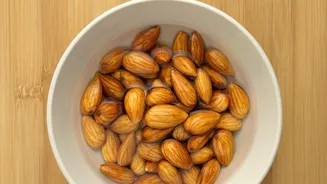
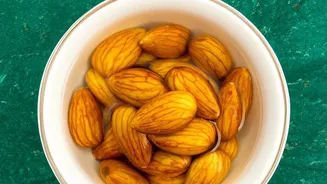
Getting started with soaking is simpler than it sounds. You only need raw, unsalted nuts or seeds, as roasted varieties have had their enzymes deactivated by heat and won't 'activate'. Place your nuts or seeds in a glass bowl and cover them completely with filtered water, adding about one tablespoon of salt per four cups of nuts. The salt helps to activate the enzymes that neutralize the enzyme inhibitors. Let them soak on the counter. Soaking times vary: harder nuts like almonds need 8-12 hours, while softer nuts like cashews and walnuts need less time, around 2-6 hours. After soaking, it's crucial to discard the soak water, as it contains the phytic acid you're trying to avoid. Rinse the nuts thoroughly. You can use them immediately in smoothies or recipes, or to restore their crunch, spread them on a baking sheet and dry them in a dehydrator or an oven on its lowest temperature (under 65°C) for 12-24 hours until crisp.